rock music
Rock music is a popular music genre. It came out in 1948.
- Came out
- 1948
- Country of origin
- United Kingdom
All 4 facts, and where they come from
Facts
4 facts · 0 confirmed by two sources · 1 cited · 3 from one source
Where this comes from
Papalocal keeps its own record. It started from these sources; what each one said is kept here as it was copied, so a change on their side never changes this page by itself. Tap one to read its version.
What Wikidata says · copied November 17, 2026 · revision 2570019139
- Described as
- popular music genre
- Other names
- rock
- What it is
- music genre · 1 reference
- Country of origin
- United Kingdom; United States
- Came out
- 1948
- Wikipedias with a page
- 161
Wikidata item Q11399 (wikidata.org/wiki/Q11399), public domain (CC0). Copied 2026-11-17.
What Wikipedia says · copied November 17, 2026 · revision 1385890186
Rock music is a genre of popular music that originated in the United States as "rock and roll" in the late 1940s and early 1950s, developing into a range of styles from the late 1950s to mid-1960s, primarily in the United States and United Kingdom. It has its roots beginning as classic rock and roll, a style that drew from the African-American musical genres of blues and rhythm and blues, as well as from country music. Rock also drew strongly from genres such as electric blues and folk, and incorporated influences from jazz and other styles. Rock is typically centered on the electric guitar, usually as part of a rock group with an electric bass guitar, drums, and one or more singers.
Usually, rock is song-based music with a 44 time signature and using a verse–chorus form; however, the genre has become extremely diverse. Like pop music, lyrics often stress romantic love but also address a wide variety of other themes that are frequently social or political. Rock was the most popular genre of music in the U.S. and much of the western world from the 1960s up to the 2010s.
Rock musicians in the mid-1960s began to advance the album ahead of the single as the dominant form of recorded music expression and consumption, with the Beatles at the forefront of this development. Their contributions lent the genre a cultural legitimacy in the mainstream and initiated a rock-informed album era in the music industry for the next several decades. By the late 1960s "classic rock" period, a few distinct rock music subgenres had emerged, including hybrids like blues rock, folk rock, country rock, southern rock, raga rock, and jazz rock, which contributed to the development of psychedelic rock, influenced by the countercultural psychedelic and hippie scene. New genres that emerged included progressive rock, which extended artistic elements, heavy metal, which emphasized an aggressive thick sound, and glam rock, which highlighted showmanship and visual style. In the second half of the 1970s, punk rock reacted by producing stripped-down, energetic social and political critiques. Punk was an influence in the 1980s on new wave, post-punk and eventually alternative rock.
From the 1990s, alternative rock began to dominate rock music and break into the mainstream in the form of grunge, Britpop, and indie rock. Further subgenres have since emerged, including pop-punk, electronic rock, rap rock, and rap metal. Some movements were conscious attempts to revisit rock's history, including the garage rock and post-punk revival in the 2000s. Since the 2010s, rock has lost its position as the pre-eminent popular music genre in world culture, but remains commercially successful. The increased influence of hip-hop and electronic dance music can be seen in rock music, notably in the techno-pop scene of the early 2010s and the pop-punk-hip-hop revival of the 2020s.Rock has also embodied and served as the vehicle for cultural and social movements, leading to major subcultures, including the greasers in the U.S. during the 1950s to mid 1960s, with also the teddy boys and rockers in the U.K., the hippie movement and the wider western counterculture movement that spread out from San Francisco in the U.S. in the 1960s, the latter of which continues to this day. Similarly, 1970s punk culture spawned the goth, punk, and emo subcultures. Inheriting the folk tradition of the protest song, rock music has been associated with political activism, as well as changes in social attitudes to race, sex, and drug use, and is often seen as an expression of youth revolt against adult conformity. At the same time, it has been commercially highly successful, leading to accusations of selling out.
From the Wikipedia article “Rock music” (en.wikipedia.org/wiki/Rock_music), by its contributors, under CC BY-SA 4.0 (creativecommons.org/licenses/by-sa/4.0/). Copied 2026-11-17; not changed.
Confirmed Two sources agree. Cited One source, and it names where it got it. One source One source, without a reference of its own. Sources disagree The sources disagree. We show the best-supported value and keep theirs below.
Picture: Wikimedia Commons: Beatles ad 1965 just the beatles crop.jpg · See Commons file page
People connected 575
Genre 543
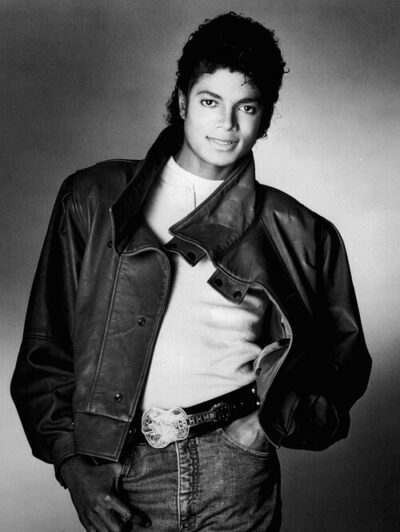 Michael JacksonAmerican singer, songwriter, record producer, and dancer (1958–2009)
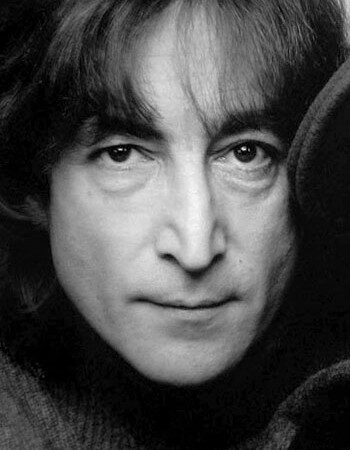 John LennonBritish musician (1940–1980)
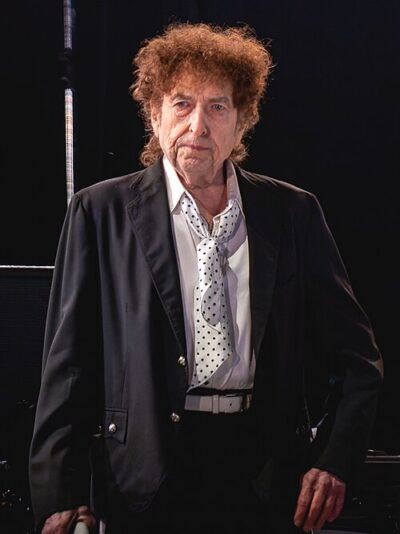 Bob DylanAmerican singer-songwriter (born 1941)
 Céline DionFrench Canadian singer (born 1968)
 AnggunIndonesian-born French singer-songwriter and television personality
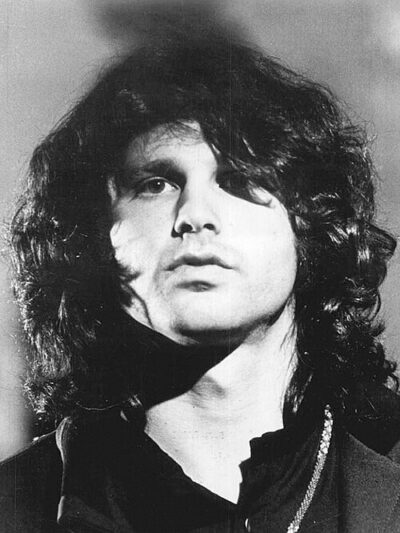 Jim MorrisonAmerican singer and poet; lead vocalist of The Doors (1943–1971)
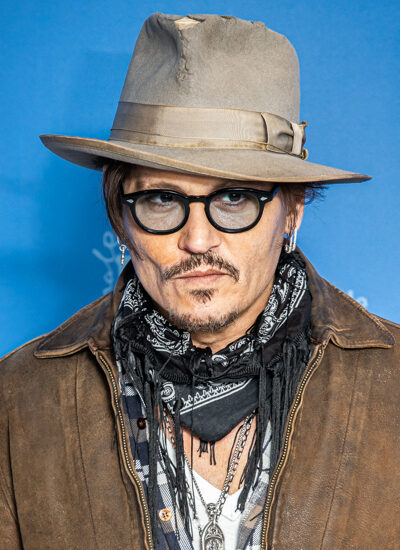 Johnny DeppAmerican actor (born 1963)
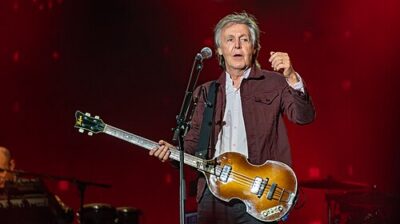 Paul McCartneyEnglish musician and member of the Beatles (born 1942)
 Miley CyrusAmerican singer, actress, and television personality (born 1992)
 Katy PerryAmerican singer (born 1984)
 AdeleEnglish singer-songwriter (born 1988)
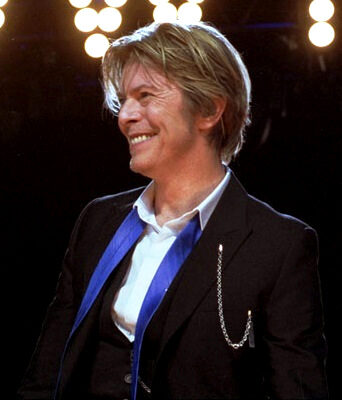 David BowieEnglish musician and actor (1947–2016)
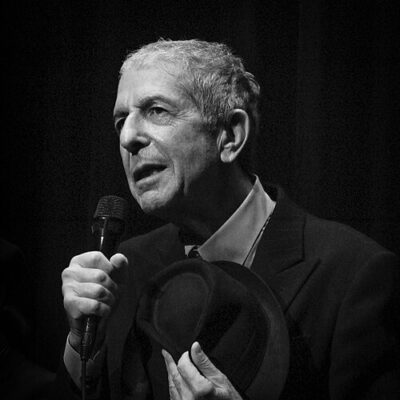 Leonard CohenCanadian singer, songwriter and poet (1934–2016)
 Valery LeontievRussian singer
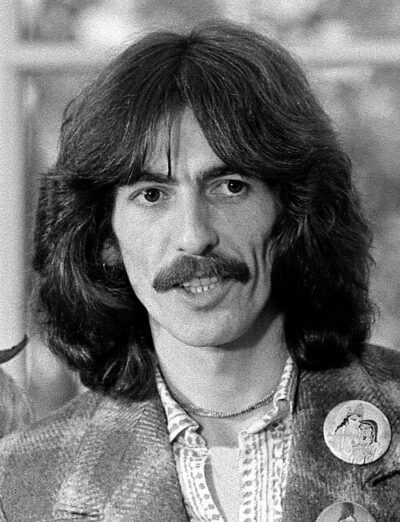 George HarrisonEnglish musician and member of the Beatles (1943–2001)
 CherAmerican musician, singer, actress and television personality (born 1946)
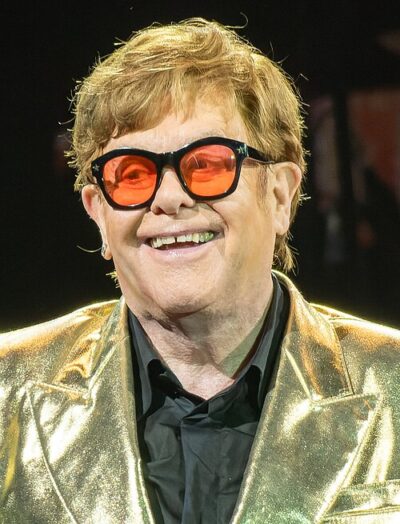 Elton JohnBritish singer, songwriter and musician (born 1947)
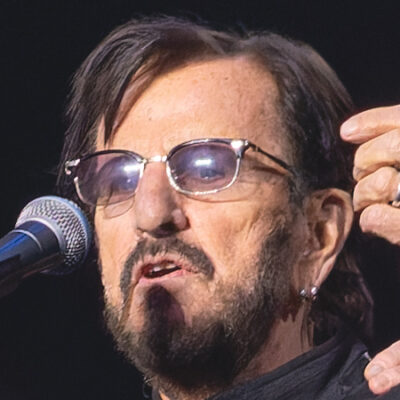 Ringo StarrBritish musician, drummer for the Beatles (born 1940)
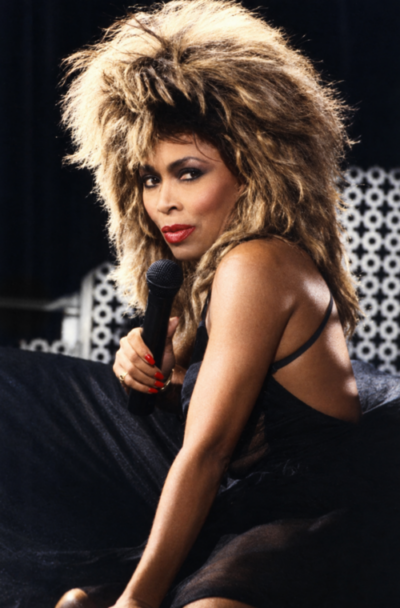 Tina TurnerAmerican-born Swiss singer and songwriter (1939–2023)
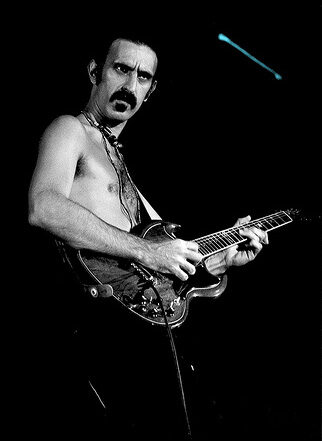 Frank ZappaAmerican musician (1940–1993)
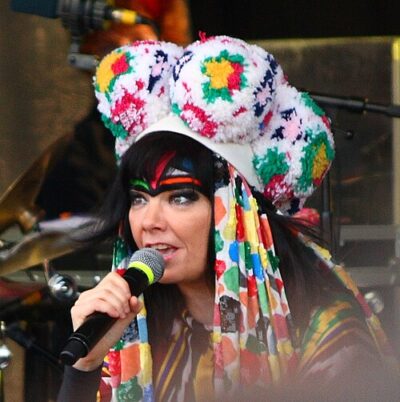 BjörkIcelandic singer (born 1965)
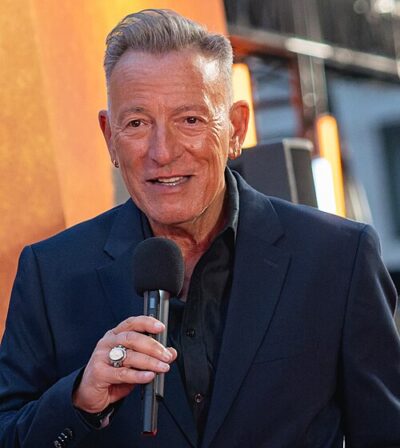 Bruce SpringsteenAmerican rock singer (born 1949)
 AnastaciaAmerican singer
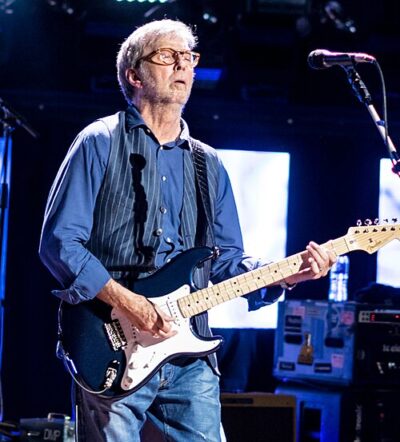 Eric ClaptonBritish musician
and 519 more
Field 56
- Bob DylanAmerican singer-songwriter (born 1941)
- Jim MorrisonAmerican singer and poet; lead vocalist of The Doors (1943–1971)
- Johnny DeppAmerican actor (born 1963)
- Elton JohnBritish singer, songwriter and musician (born 1947)
- Tina TurnerAmerican-born Swiss singer and songwriter (1939–2023)
- Bruce SpringsteenAmerican rock singer (born 1949)
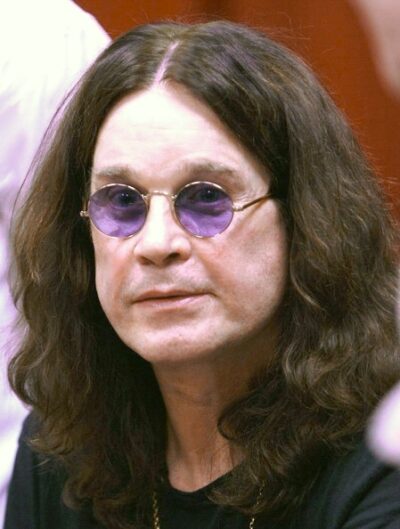 Ozzy OsbourneEnglish musician and television personality (1948–2025)
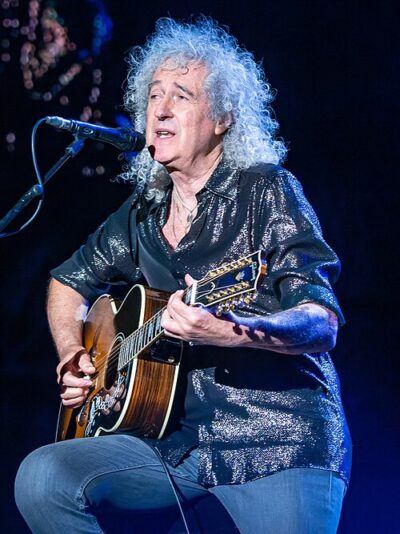 Brian MayBritish musician (born 1947)
 Phil CollinsEnglish drummer, singer, and songwriter (born 1951)
 Sinéad O'ConnorIrish singer-songwriter (1966–2023)
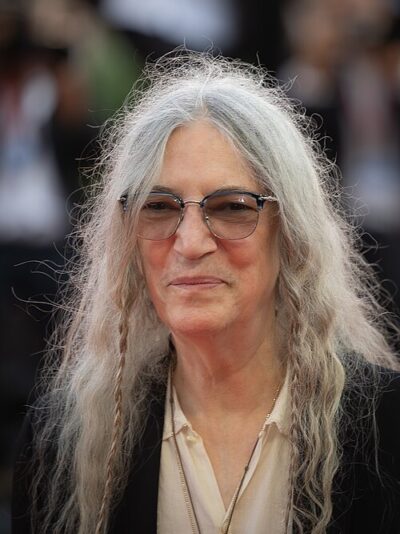 Patti SmithAmerican singer, songwriter, author and poet (born 1946)
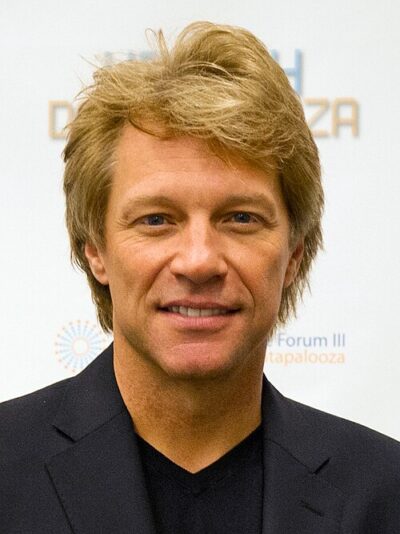 Jon Bon JoviAmerican musician (born 1962)
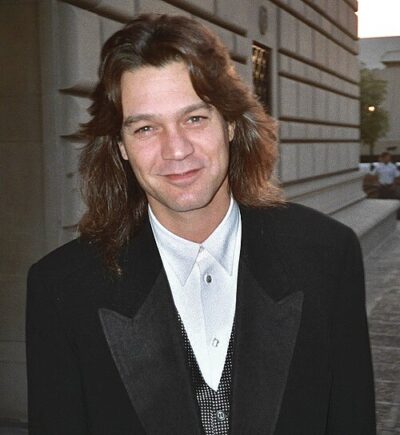 Eddie Van HalenDutch-American rock guitarist (1955–2020)
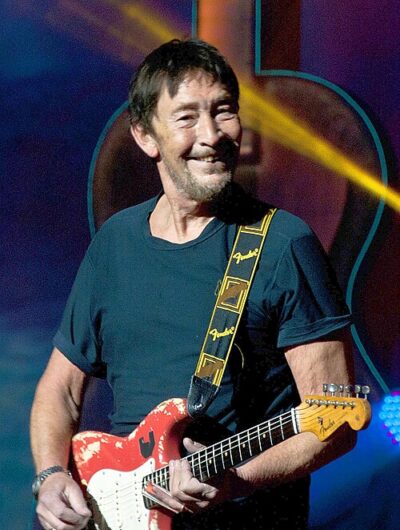 Chris ReaEnglish male singer-songwriter and guitarist (1951–2025)
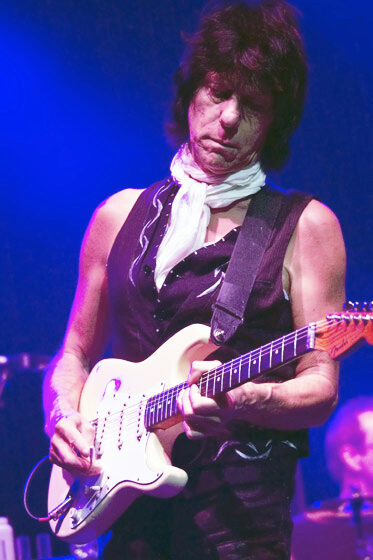 Jeff BeckEnglish guitarist (1944–2023)
 Nick CaveAustralian musician and singer
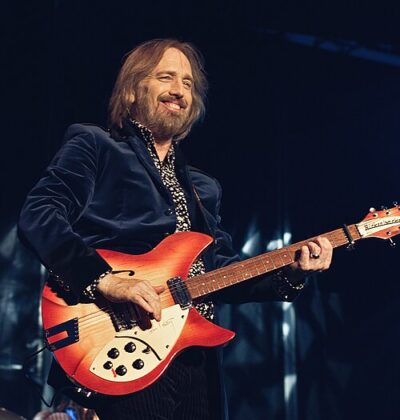 Tom PettyAmerican musician (1950-2017)
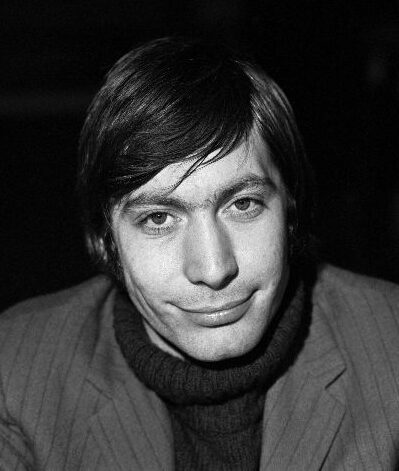 Charlie WattsBritish drummer (1941–2021)
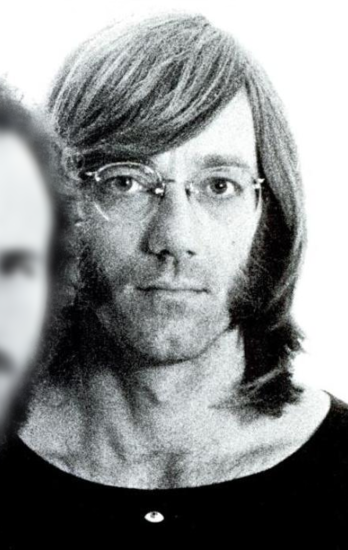 Ray ManzarekAmerican keyboardist (1939–2013)
 Ewa FarnaPolish-Czech singer
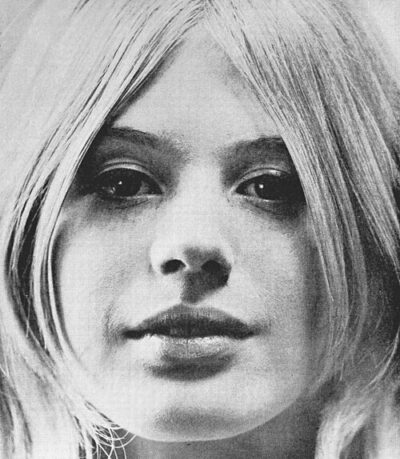 Marianne FaithfullEnglish singer and actress (1946–2025)
 Chris JerichoAmerican-Canadian professional wrestler (born 1970)
 Malcolm YoungAustralian guitarist (1953–2017)
 Keith EmersonBritish recording artist; keyboard player and composer (1944–2016)
and 32 more