
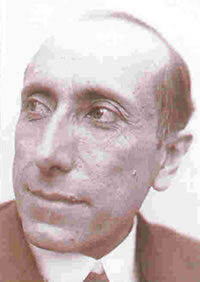
Amado Nervo
Amado Nervo was a Mexican modernist poet. Born August 27, 1870, in Tepic. Died May 24, 1919, in Montevideo. Positions held include ambassador of Mexico.
Facts
15 facts · 2 confirmed by two sources · 6 cited · 7 from one source
Where this comes from
Papalocal keeps its own record. It started from these sources; what each one said is kept here as it was copied, so a change on their side never changes this page by itself. Tap one to read its version.
What Wikidata says · copied November 16, 2026 · revision 2564774684
- Described as
- Mexican modernist poet
- Other names
- Juan Crisóstomo Ruiz de Nervo
- Born
- August 27, 1870 · 7 references
- Died
- May 24, 1919 · 6 references
- Born in
- Tepic · 1 reference
- Died in
- Montevideo · 1 reference
- Name at birth
- Juan Crisóstomo Ruiz de Nervo y Ordaz · 1 reference
- Citizen of
- Mexico
- Occupation
- diplomat · 1 reference; journalist · 1 reference; essayist; poet; writer · 2 references
- Positions held
- ambassador of Mexico
- Member of
- Academia Mexicana de la Lengua
- Genre
- poetry; Hispanic American literature
- Wikipedias with a page
- 29
Wikidata item Q452130 (wikidata.org/wiki/Q452130), public domain (CC0). Copied November 16, 2026.
What Wikipedia says · copied November 16, 2026 · revision 1381967852
Amado Nervo (August 27, 1870 – May 24, 1919) also known as Juan Crisóstomo Ruiz de Nervo, was a Mexican poet, journalist and educator. He also acted as Mexican Ambassador to Argentina and Uruguay. His poetry was known for its use of metaphor and reference to mysticism, presenting both love and religion, as well as Christianity and Hinduism. Nervo is noted as one of the most important Mexican poets of the 19th century.
- Born, in its opening lines
- August 27, 1870
- Died, in its opening lines
- May 24, 1919
From the Wikipedia article “Amado Nervo” (en.wikipedia.org/wiki/Amado_Nervo), by its contributors, under CC BY-SA 4.0 (creativecommons.org/licenses/by-sa/4.0/). Copied November 16, 2026; not changed.
Confirmed Two sources agree. Cited One source, and it names where it got it. One source One source, without a reference of its own. Sources disagree The sources disagree. We show the best-supported value and keep theirs below.
