diplomat
Diplomat is a person appointed by a state to conduct diplomacy with another state or international organization.
All 2 facts, and where they come from
Facts
2 facts · 0 confirmed by two sources · 0 cited · 2 from one source
Where this comes from
Papalocal keeps its own record. It started from these sources; what each one said is kept here as it was copied, so a change on their side never changes this page by itself. Tap one to read its version.
What Wikidata says · copied November 16, 2026 · revision 2567664738
- Described as
- person appointed by a state to conduct diplomacy with another state or international organization
- What it is
- profession; corporate title
- Wikipedias with a page
- 83
Wikidata item Q193391 (wikidata.org/wiki/Q193391), public domain (CC0). Copied 2026-11-16.
What Wikipedia says · copied November 16, 2026 · revision 1382050760
A diplomat (from Ancient Greek: δίπλωμα, romanized: diploma) is a person appointed by a state, intergovernmental, or nongovernmental institution to conduct diplomacy with one or more other states or international organizations.
The main functions of diplomats are representation and protection of the interests and nationals of the sending state; initiation and facilitation of strategic agreements, treaties and conventions; and promotion of information, trade and commerce, technology, and friendly relations. Seasoned diplomats of international repute are used in international organizations (for example, the United Nations, the world's largest diplomatic forum) as well as multinational companies for their experience in management and negotiating skills. Diplomats are members of foreign services and diplomatic corps of various nations of the world.
The sending state is required to get the consent of the receiving state for a person proposed to serve in key diplomatic positions such as an ambassador, also referred to as the head of the mission. The receiving state of the proposed diplomat may accept the diplomat or refuse to accept the diplomat without having to provide reasons for its refusal or acceptance of the person. While the head of the mission or any member of the diplomatic staff is already on duty in the receiving state, the receiving state may still decide at anytime that the person is no longer wanted in the state and is considered persona non grata. When this happens, the sending state may discharge the person.
Diplomats are the oldest form of any of the foreign policy institutions of a state, predating foreign ministers and ministerial offices by centuries. They usually have diplomatic immunity, and in their official travels they usually use a diplomatic passport or, for UN officials, a United Nations laissez-passer.
From the Wikipedia article “Diplomat” (en.wikipedia.org/wiki/Diplomat), by its contributors, under CC BY-SA 4.0 (creativecommons.org/licenses/by-sa/4.0/). Copied 2026-11-16; not changed.
Confirmed Two sources agree. Cited One source, and it names where it got it. One source One source, without a reference of its own. Sources disagree The sources disagree. We show the best-supported value and keep theirs below.
Picture: Wikimedia Commons: Viena kongres 1814.jpg · See Commons file page
People connected 592
Occupation 591
 Joe Biden46th President of the United States (2021–2025)
 Che GuevaraArgentine Marxist revolutionary (1928–1967)
 Thomas JeffersonFounding Father, U.S. president from 1801 to 1809 (1743–1826)
 Bill Clinton42nd President of the United States (1993–2001)
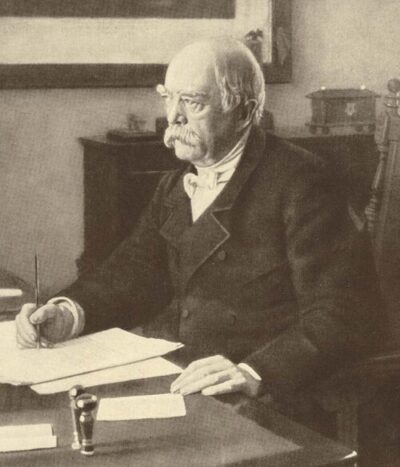 Otto von BismarckGerman statesman and Chancellor (1815-1898)
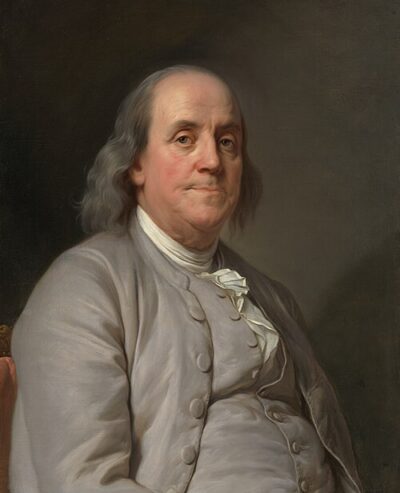 Benjamin FranklinAmerican polymath and statesman (1706–1790)
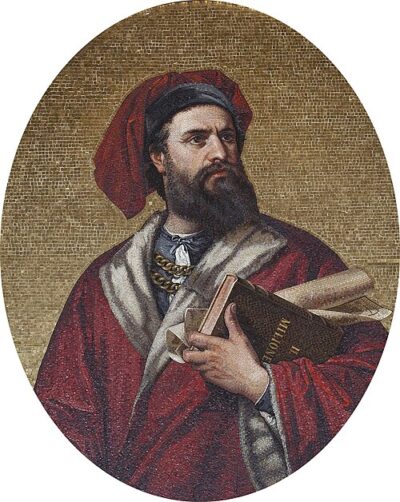 Marco PoloVenetian explorer and merchant who travelled through Asia (1254–1324)
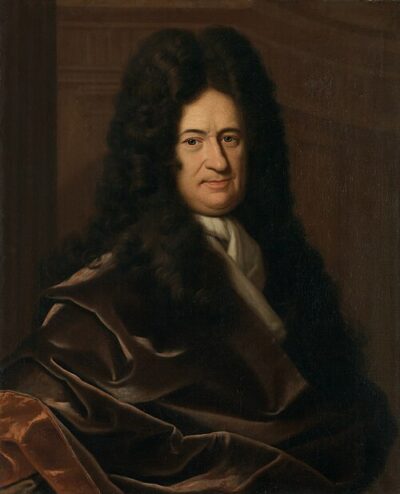 Gottfried Wilhelm LeibnizGerman mathematician and philosopher (1646–1716)
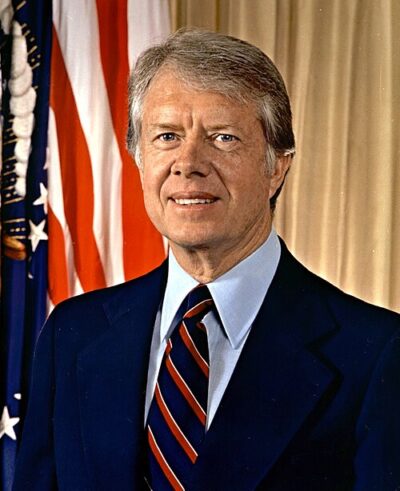 Jimmy Carterpresident of the United States from 1977 to 1981 (1924–2024)
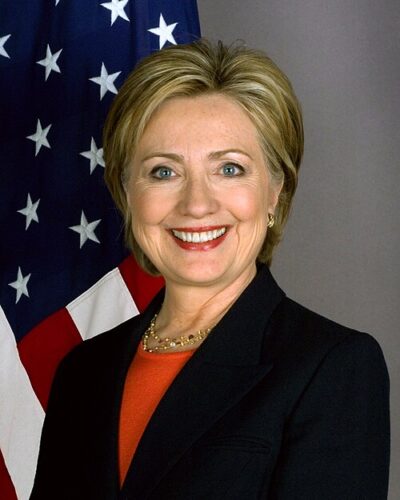 Hillary ClintonAmerican politician and diplomat (born 1947)
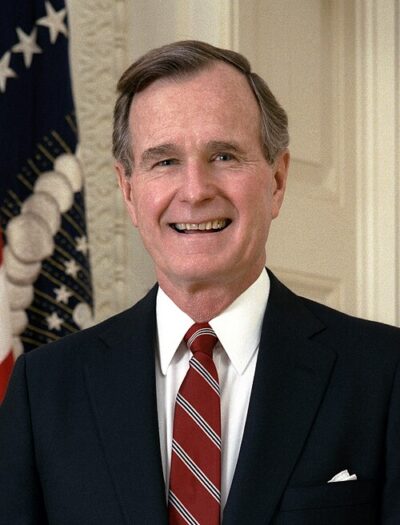 George H. W. Bush41st President of the United States (1989–1993)
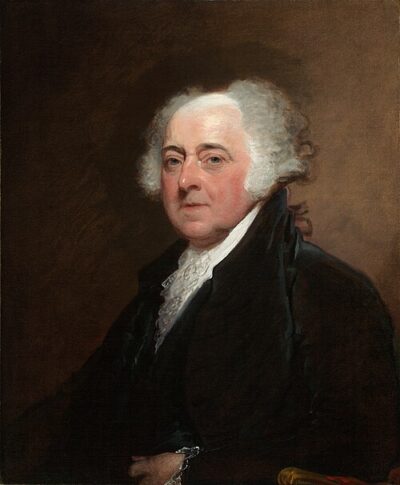 John AdamsFounding Father, U.S. president from 1797 to 1801 (1735–1826)
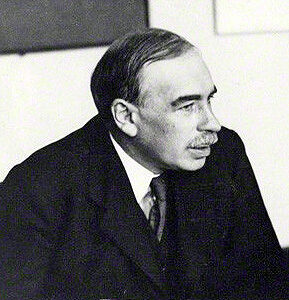 John Maynard KeynesBritish economist (1883–1946)
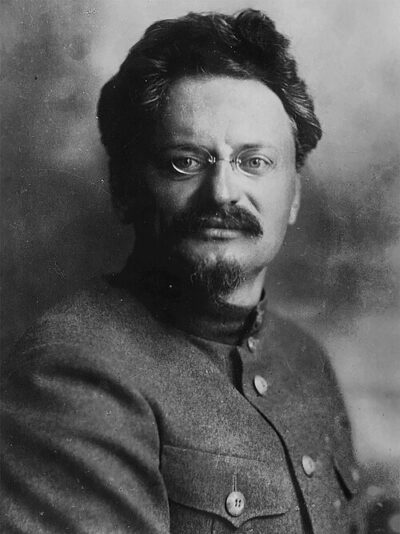 Leon TrotskyRussian Marxist revolutionary (1879–1940)
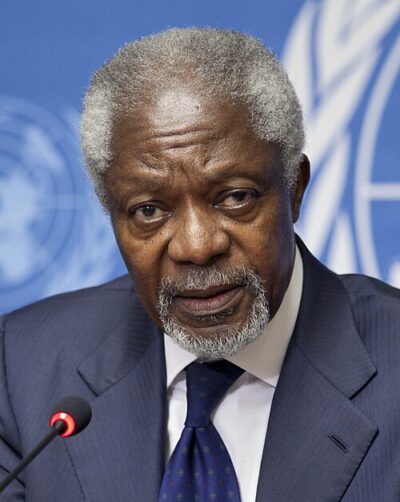 Kofi Annan7th Secretary-General of the United Nations (1938-2018)
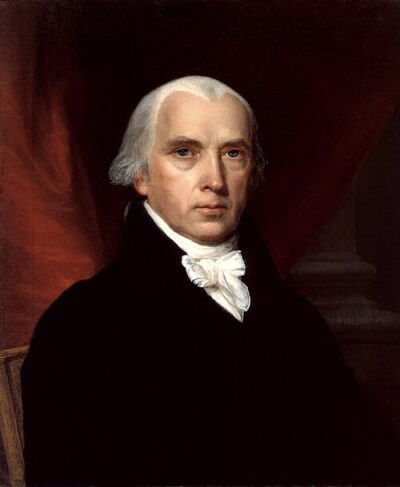 James MadisonPresident of the United States from 1809 to 1817 (1751–1836)
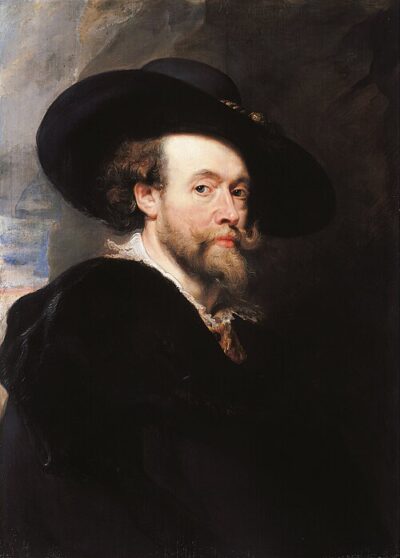 Peter Paul RubensFlemish painter (1577–1640)
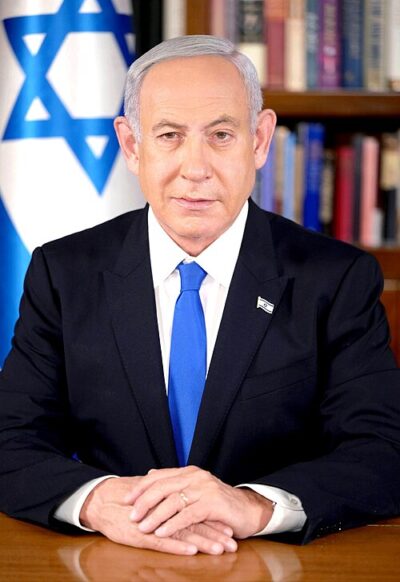 Benjamin NetanyahuPrime Minister of Israel (born 1949), (1996–1999; 2009–2021; 2022–present)
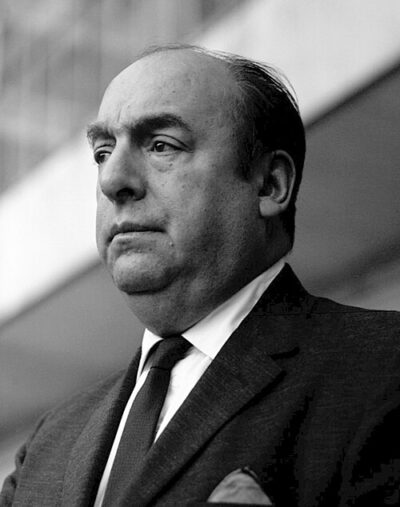 Pablo NerudaChilean poet and politician (1904-1973)
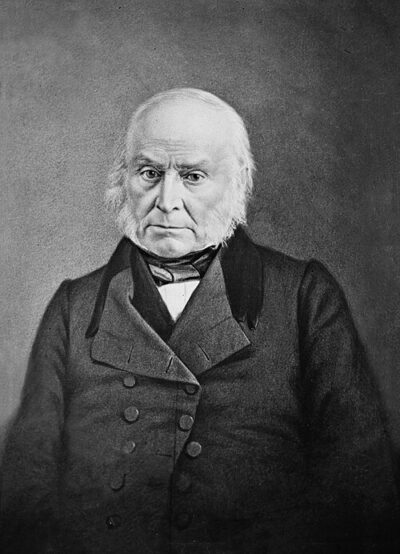 John Quincy AdamsPresident of the United States from 1825 to 1829
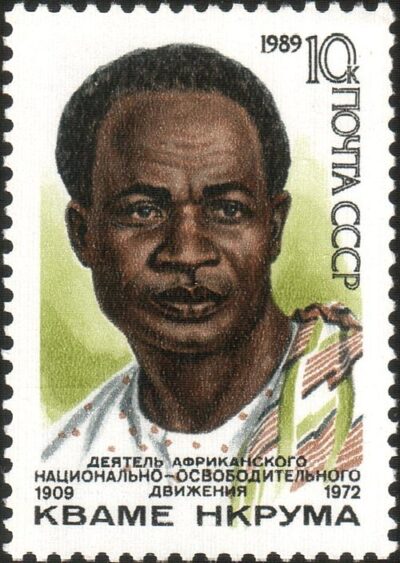 Kwame NkrumahGhanaian politician (1909–1972)
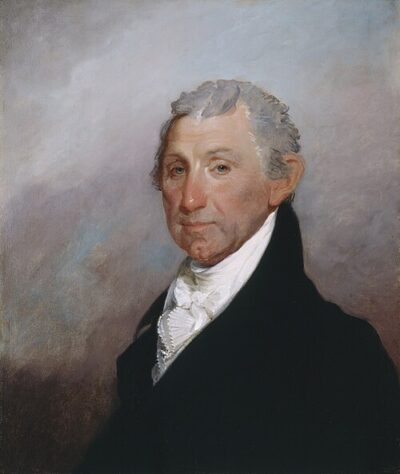 James Monroepresident of the United States from 1817 to 1825 (1758–1831)
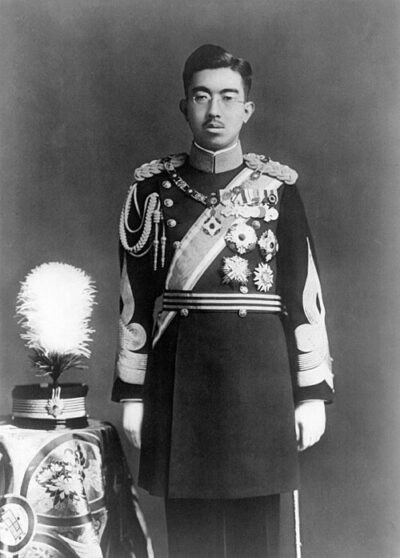 Hirohitoemperor of Japan from 1926 to 1989
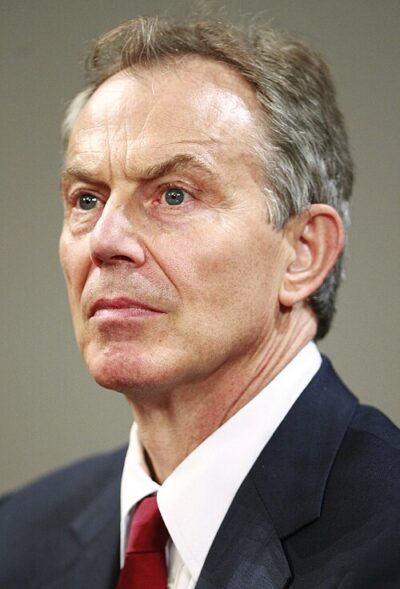 Tony BlairPrime Minister of the United Kingdom from 1997 to 2007
and 567 more
Field
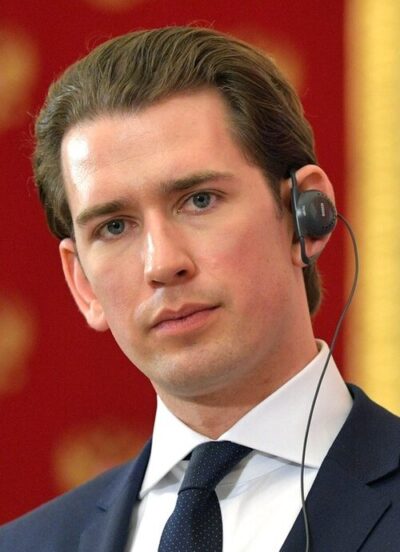 Sebastian KurzChancellor of Austria (2017–2019, 2020–2021)
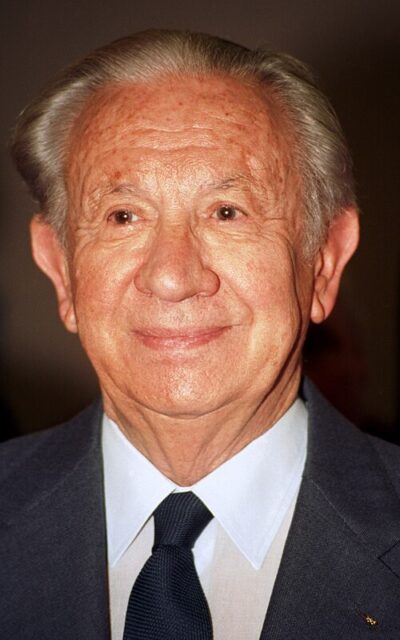 Juan Antonio SamaranchIOC president 1980–2001
 Dmytro KulebaUkrainian diplomat and politician (born 1981)
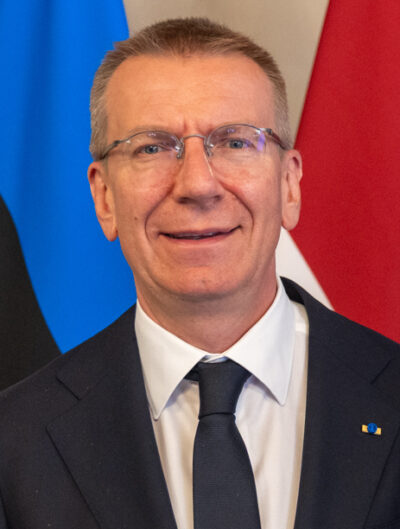 Edgars RinkēvičsPresident of Latvia since 2023 (born 1973)
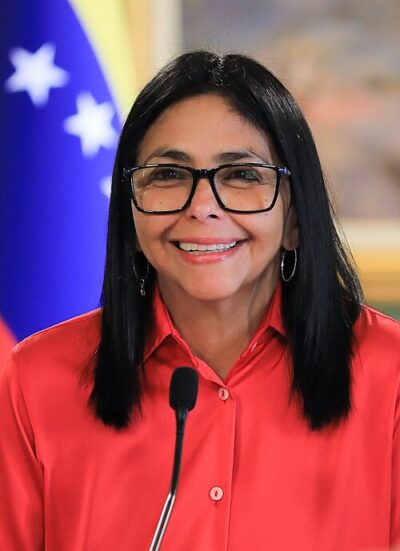 Delcy RodriguezActing President of Venezuela since 2026
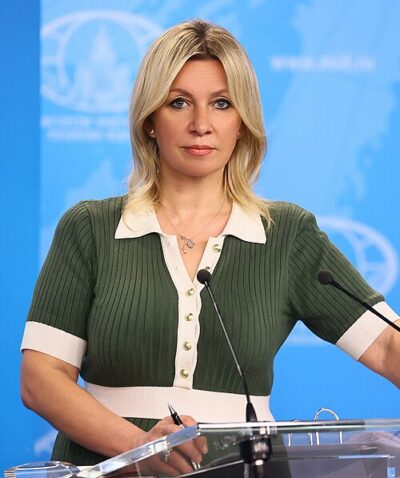 Maria ZakharovaRussian foreign ministry spokesperson since 2015
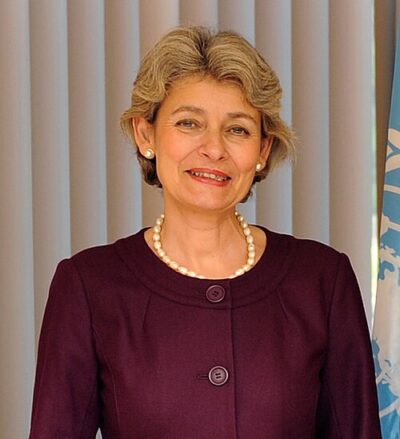 Irina BokovaBulgarian diplomat
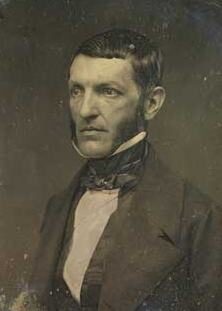 George BancroftAmerican historian, statesman, founder of United States Naval Academy (1800-1891)