
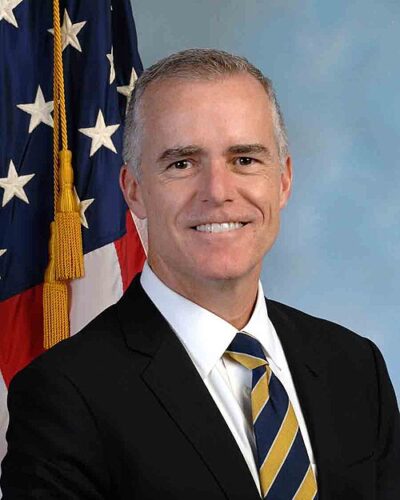
Andrew G. McCabe
Andrew G. McCabe is a Lawyer, former official of U.S. Federal Bureau of Investigation. Born March 18, 1968, in Hartford. Positions held include Director of the Federal Bureau of Investigation (2017) and Deputy Director of the Federal Bureau of Investigation (2016–2017). Educated at Duke University and Washington University in St. Louis.
Facts
12 facts · 1 confirmed by two sources · 5 cited · 6 from one source
Where this comes from
Papalocal keeps its own record. It started from these sources; what each one said is kept here as it was copied, so a change on their side never changes this page by itself. Tap one to read its version.
What Wikidata says · copied November 19, 2026 · revision 2539536825
- Described as
- Lawyer, former official of U.S. Federal Bureau of Investigation
- Other names
- Andrew McCabe, Andrew G. "Andy" McCabe, Andrew George McCabe
- Born
- March 18, 1968 · 2 references
- Born in
- Hartford · 1 reference
- Citizen of
- United States
- Occupation
- lawyer · 1 reference
- Positions held
- Director of the Federal Bureau of Investigation (2017) · 2 references; Deputy Director of the Federal Bureau of Investigation (2016–2017)
- Political party
- Republican Party · 1 reference
- Worked for
- Federal Bureau of Investigation (1996–2018) · 2 references
- Education
- Duke University · 1 reference; Washington University in St. Louis · 1 reference; Bolles School; Washington University School of Law
- Wikipedias with a page
- 12
Wikidata item Q27734885 (wikidata.org/wiki/Q27734885), public domain (CC0). Copied November 19, 2026.
What Wikipedia says · copied November 19, 2026 · revision 1379205291
Andrew George McCabe (born March 18, 1968) is an American attorney who served as the Deputy Director of the Federal Bureau of Investigation (FBI) from February 2016 to March 2018 and as the acting Director of the FBI from May 9, 2017, to August 2, 2017. McCabe joined the FBI as a special agent in 1996 and served with the bureau's SWAT team. He became a supervisory special agent in 2003 and held management positions of increasing responsibility until he was appointed deputy director of the FBI in February 2016. McCabe became the acting Director of the FBI following James Comey's dismissal by then President Donald Trump, and served in that position until Trump's appointment of Christopher A. Wray. McCabe later departed from the FBI on poor terms with Trump. After leaving the Trump administration, McCabe has been a contributor at CNN since 2019.
Attorney General Jeff Sessions fired McCabe on March 16, 2018, 26 hours before his scheduled retirement. Sessions announced that he based his decision on reports from the DOJ Inspector General and the FBI's disciplinary office saying that McCabe had secretly and improperly authorized releases of information to The Wall Street Journal about an investigation into the Clinton Foundation and had misled agents who questioned him about it on four occasions, three of which were under oath. McCabe disputed these charges and alleged that his firing was politically motivated.
In September 2019, federal prosecutors recommended McCabe be indicted for actions relating to the leak, but the grand jury did not return an indictment. On February 14, 2020, the Justice Department informed McCabe's attorneys that it had declined to prosecute McCabe.
In October 2021, McCabe settled with the Justice Department a wrongful termination suit he had filed in August 2019. As part of the settlement, the government agreed to "rescind and vacate" McCabe's termination, correct its records "to reflect that Mr. McCabe was employed continuously by the FBI from July 1996 until he retired on March 19, 2018 as the FBI Deputy Director" in "good standing," restore his pension and other benefits, pay his legal fees and expunge any record of having been fired.
- Born, in its opening lines
- March 18, 1968
From the Wikipedia article “Andrew McCabe” (en.wikipedia.org/wiki/Andrew_McCabe), by its contributors, under CC BY-SA 4.0 (creativecommons.org/licenses/by-sa/4.0/). Copied November 19, 2026; not changed.
Confirmed Two sources agree. Cited One source, and it names where it got it. One source One source, without a reference of its own. Sources disagree The sources disagree. We show the best-supported value and keep theirs below.
