
Republican Party
The Republican Party is an American political party. It was founded in 1854 by the Whig Party and the Free Soil Party. Its headquarters are in Washington, D.C. It stands for conservatism, federalism in the United States and American exceptionalism.
- Country
- United States
- Founded
- March 20, 1854
- Ideology
- conservatism
- Chair
- Michael Whatley (2024–)
All 17 facts, and where they come from
Facts
17 facts · 0 confirmed by two sources · 2 cited · 15 from one source
Where this comes from
Papalocal keeps its own record. It started from these sources; what each one said is kept here as it was copied, so a change on their side never changes this page by itself. Tap one to read its version.
What Wikidata says · copied November 16, 2026 · revision 2567589553
- Described as
- American political party
- Other names
- Republican Party of the United States, Republicans, Republican Party (United States), United States Republican Party, American Republican Party, US Republican Party, The Republicans, Grand Old Party, GOP
- What it is
- political party
- Comes after
- Whig Party
- Followed by
- Radical Democracy Party
- Founded
- March 20, 1854 · 1 reference
- Founded by
- Whig Party · 1 reference; Free Soil Party
- Headquarters
- Washington, D.C.
- Country
- United States
- Chair
- Reince Priebus (2011–2017); Ronna Romney McDaniel (2017–2024)
- Ideology
- conservatism; federalism in the United States; American exceptionalism; economic liberalism
- Named after
- republicanism in the United States · 1 reference
- Also called
- Black and Tans (1870–1930) · 5 references
- Official website
- https://gop.com
- Wikipedias with a page
- 144
Wikidata item Q29468 (wikidata.org/wiki/Q29468), public domain (CC0). Copied 2026-11-16.
What Wikipedia says · copied November 16, 2026 · revision 1385731642
The Republican Party, also known as the Grand Old Party (GOP), is a political party in the United States, sitting on the right-wing to far-right of the political spectrum. Founded in 1854, it emerged as the main rival of the Democratic Party in the 1850s, and the two parties have dominated American politics since then.
The Republican Party was founded by anti-slavery activists who opposed the Kansas–Nebraska Act and the expansion of slavery into American territories. It rapidly gained support in the North, drawing in former Whigs, Free Soilers, and former Know Nothings. Abraham Lincoln's election in 1860 as president led to the secession of Southern states and the outbreak of the American Civil War. Under Lincoln and a Republican-controlled Congress, the party led efforts to preserve the Union, defeat the Confederacy, and abolish slavery. During the Reconstruction era, Republicans sought to extend civil rights protections to freedmen, and by the late 1870s, the party shifted its focus toward business interests and industrial expansion. In the late 19th and early 20th centuries, it dominated national politics, promoting protective tariffs, infrastructure development, and laissez-faire economic policies, while navigating internal divisions between progressive and conservative factions. The party's support declined during the Great Depression, as the New Deal coalition reshaped American politics. Republicans returned to national power with the 1952 election of Dwight D. Eisenhower, whose moderate conservatism reflected a pragmatic acceptance of many New Deal-era programs.
Following the civil rights era, the Republican Party's use of the Southern strategy appealed to many white voters disaffected by Democratic support for civil rights, and de facto flipping two of the parties' voting blocs (African Americans and White Southerners). The 1980 election of Ronald Reagan as president realigned national politics, consolidating a coalition of free market advocates, social conservatives and foreign policy hawks under the Republican banner. Since 2009, a shift toward right-wing populism culminated in the 2016 election of Donald Trump as president, whose leadership style and political agenda—often referred to as Trumpism—reshaped the party's identity and political platform.
The present-day Republican Party is primarily right-wing populist and neo-nationalist, with smaller conservative, Christian right, and libertarian factions, all of which have greatly diminished in influence since 2016. Its ideology has largely shifted towards illiberalism, favoring strong presidential power and a statist government to enforce conservative cultural values. This includes broad opposition to abortion, LGBT rights, immigration, and gun control. On economic policy, it supports tariffs while opposing free trade and labor unions.
During the 20th and early 21st centuries, the Republican Party has cooperated internationally with conservative parties. Since the 2020s it has aligned with global far-right parties, while white nationalist beliefs have become influential within the party, including support for remigration.
From the Wikipedia article “Republican Party (United States)” (en.wikipedia.org/wiki/Republican_Party_(United_States)), by its contributors, under CC BY-SA 4.0 (creativecommons.org/licenses/by-sa/4.0/). Copied 2026-11-16; not changed.
Confirmed Two sources agree. Cited One source, and it names where it got it. One source One source, without a reference of its own. Sources disagree The sources disagree. We show the best-supported value and keep theirs below.
People connected 600
Party members 600
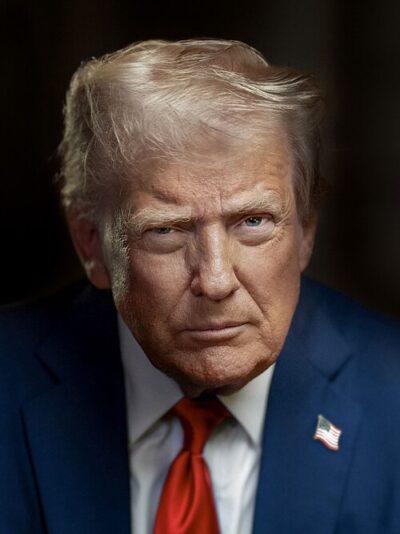 Donald Trump (1987–)President of the United States (2017–2021; since 2025)
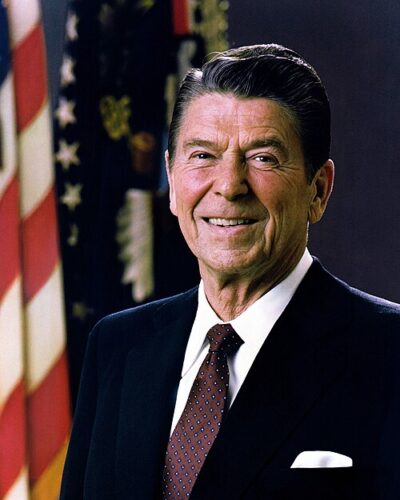 Ronald Reagan (1962–2004)president of the United States from 1981 to 1989 and actor (1911–2004)
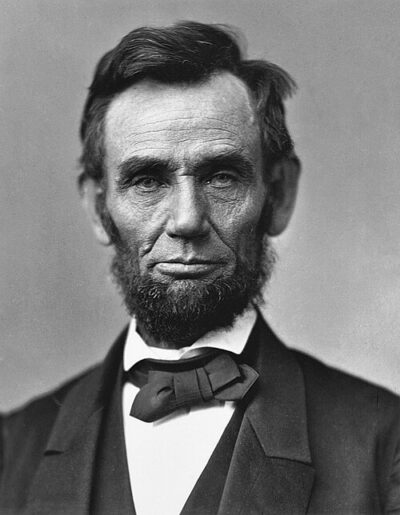 Abraham Lincoln (1854–1865)president of the United States from 1861 to 1865 (1809–1865)
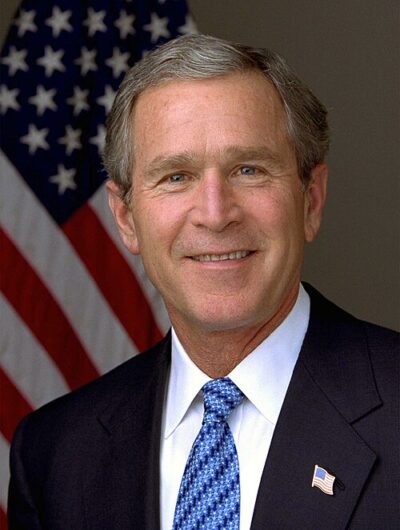 George W. Bush43rd President of the United States (2001–2009)
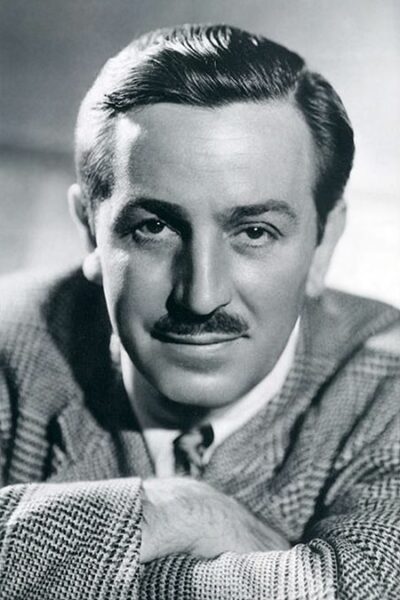 Walt Disney (1940–)American animator, producer, director, screenwriter, voice actor and entrepreneur, founder of The Walt Disney Company (1901–1966)
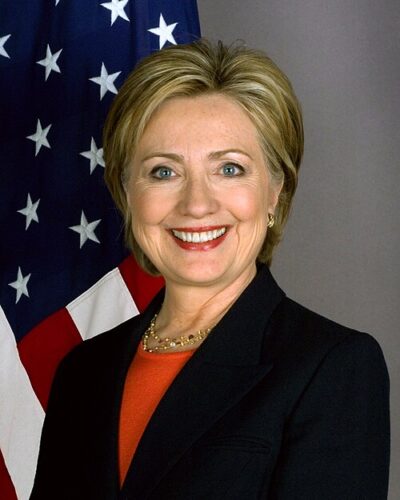 Hillary Clinton (1965–1968)American politician and diplomat (born 1947)
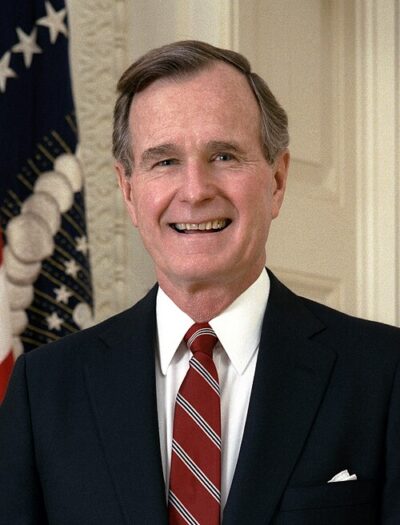 George H. W. Bush41st President of the United States (1989–1993)
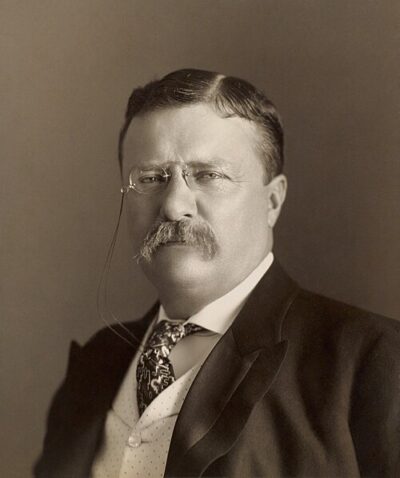 Theodore Roosevelt (1880–1919)26th President of the United States from 1901 to 1909 (1858–1919)
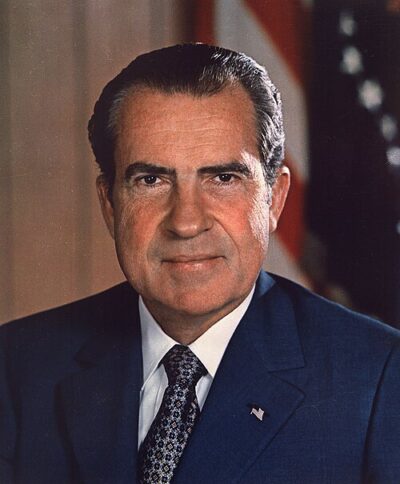 Richard Nixonpresident of the United States from 1969 to 1974 (1913–1994)
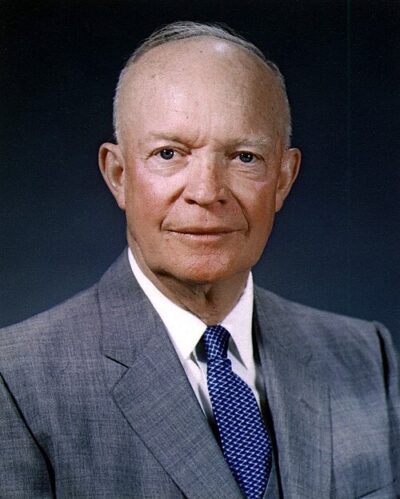 Dwight D. Eisenhowerpresident of the United States from 1953 to 1961 (1890–1969)
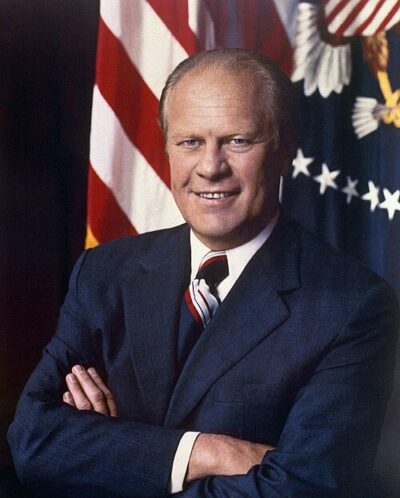 Gerald Fordpresident of the United States from 1974 to 1977 (1913–2006)
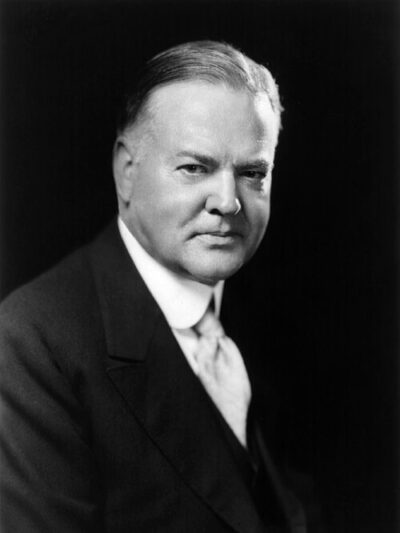 Herbert Hooverpresident of the United States from 1929 to 1933 (1874–1964)
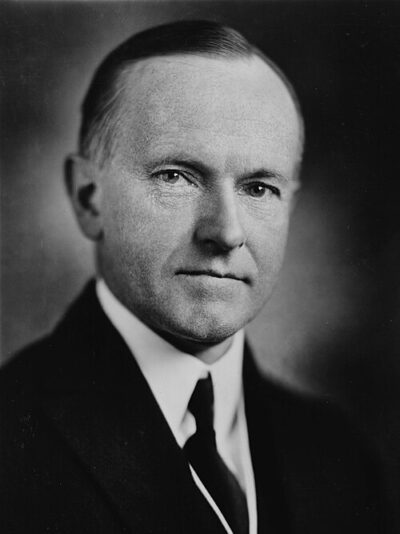 Calvin Coolidgepresident of the United States from 1923 to 1929
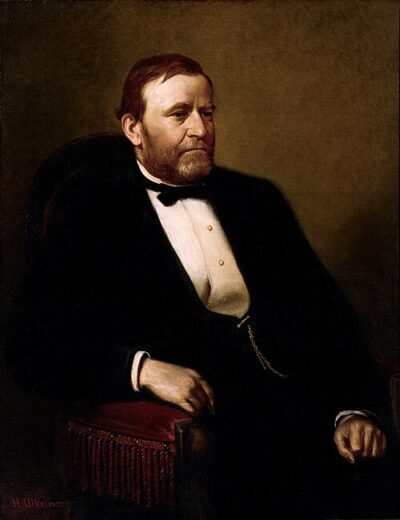 Ulysses S. Grantpresident of the United States from 1869 to 1877
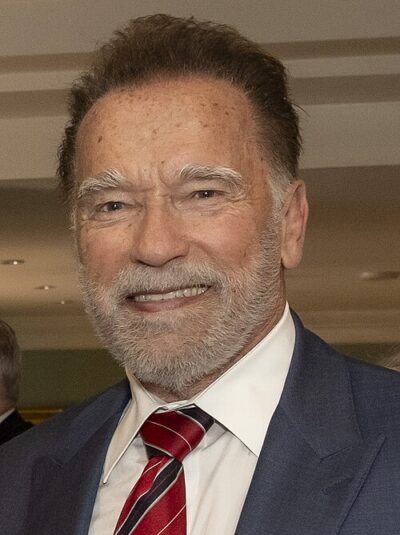 Arnold SchwarzeneggerAustrian and American actor, bodybuilder, and politician (born 1947)
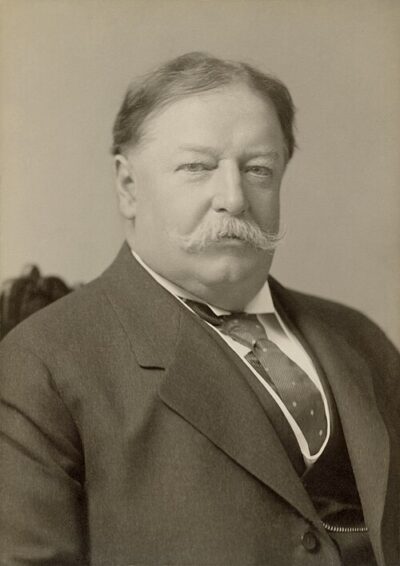 William Howard Taft27th President of the United States from 1909 to 1913 (1857–1930)
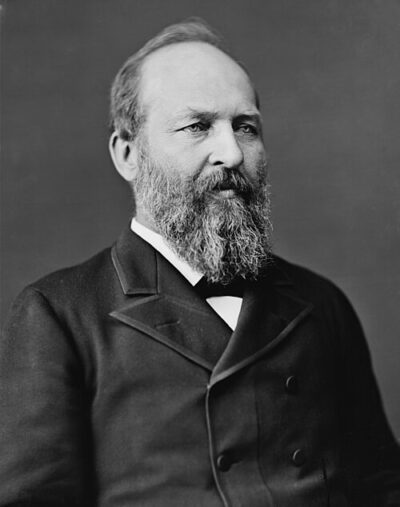 James A. Garfieldpresident of the United States in 1881
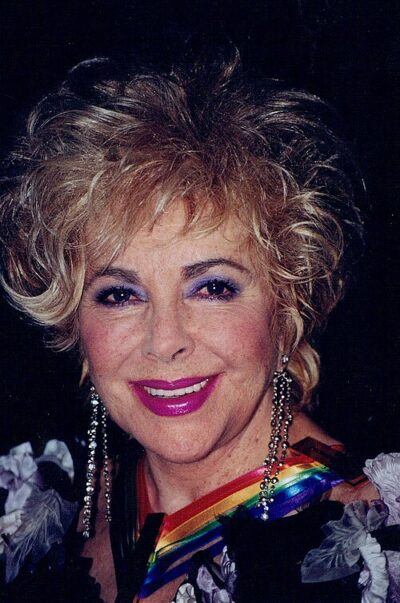 Elizabeth TaylorBritish-American actress (1932–2011)
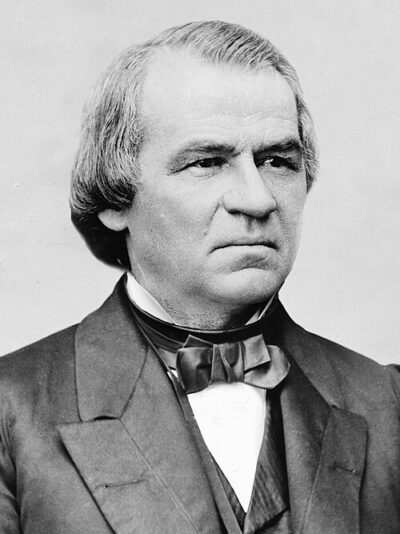 Andrew JohnsonPresident of the United States from 1865 to 1869
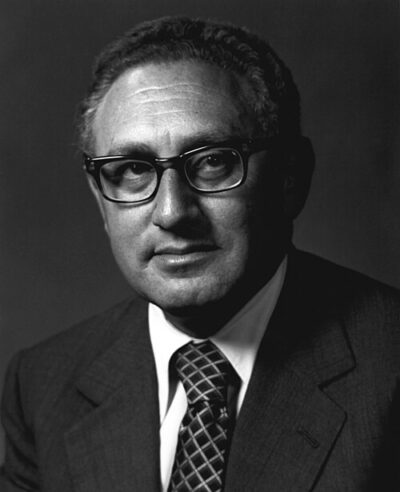 Henry KissingerAmerican diplomat and geopolitical advisor, served as U.S. Secretary of State from 1973 to 1977 (1923–2023)
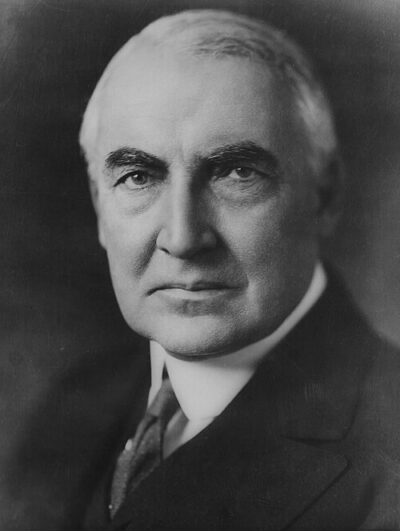 Warren G. Hardingpresident of the United States from 1921 to 1923
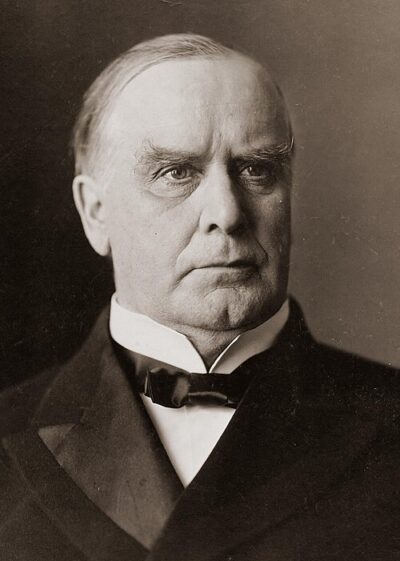 William McKinleypresident of the United States from 1897 to 1901 (1843–1901)
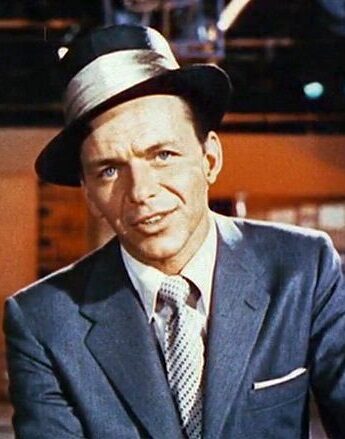 Frank Sinatra (1972–)American singer and actor (1915–1998)
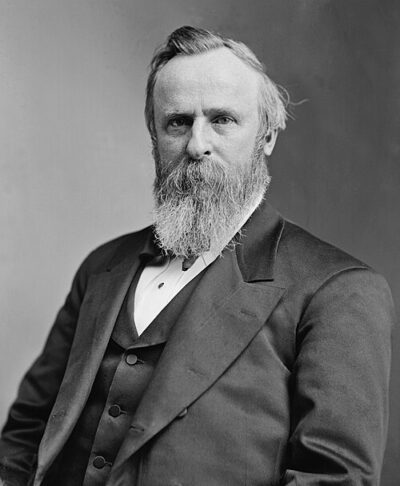 Rutherford B. Hayespresident of the United States from 1877 to 1881 (1822–1893)
and 576 more
