
Whig Party
The Whig Party is a 19th-century United States political party. It was founded in 1834 by Henry Clay, Horace Greeley and William Henry Harrison. Its headquarters are in Washington, D.C. It stands for traditionalist conservatism, American System and parliamentary system.
- Country
- United States
- Founded
- 1834
- Ideology
- traditionalist conservatism
- Chair
- Henry Clay
All 15 facts, and where they come from
Facts
15 facts · 0 confirmed by two sources · 0 cited · 15 from one source
Where this comes from
Papalocal keeps its own record. It started from these sources; what each one said is kept here as it was copied, so a change on their side never changes this page by itself. Tap one to read its version.
What Wikidata says · copied November 16, 2026 · revision 2568475285
- Described as
- 19th-century United States political party
- Other names
- Whigs, Whig Party (United States), Whig Party (U.S.), American Whig Party
- What it is
- political party
- Comes after
- National Republican Party
- Followed by
- Republican Party
- Founded
- 1834
- Ended
- 1860
- Founded by
- Henry Clay; Horace Greeley; William Henry Harrison
- Headquarters
- Washington, D.C. · 1 reference
- Country
- United States
- Chair
- Henry Clay · 1 reference
- Ideology
- traditionalist conservatism; American System; parliamentary system · 1 reference; agrarianism · 1 reference
- Wikipedias with a page
- 48
Wikidata item Q42183 (wikidata.org/wiki/Q42183), public domain (CC0). Copied 2026-11-16.
What Wikipedia says · copied November 16, 2026 · revision 1384944985
The Whig Party was a political party in the United States that existed from 1833 to 1856. Alongside the Democratic Party, it was one of two major parties from the late 1830s until the early 1850s and part of the Second Party System. As well as four Whig presidents (William Henry Harrison, John Tyler, Zachary Taylor, and Millard Fillmore), other prominent members included Henry Clay, Daniel Webster, Rufus Choate, William Seward, John J. Crittenden, and John Quincy Adams (whose presidency ended prior to the formation of the Whig Party).
The Whig base of support included entrepreneurs, professionals, Protestant Christians (particularly Evangelicals), the urban middle class, and nativists. The party was hostile towards the ideology of "manifest destiny", territorial expansion into Texas and the Southwest, and the Mexican–American War. It disapproved of presidential power as exhibited by Andrew Jackson and James K. Polk, and preferred congressional dominance in governing. Members advocated modernization, meritocracy, the rule of law, protections against majority rule, and vigilance against executive tyranny.
Whigs favored an economic program known as the American System, which called for a protective tariff, federal subsidies for the construction of infrastructure, and support for a national bank. The party was active in both the Northern and Southern United States and did not take a firm stance on slavery, but Northern Whigs tended to be less supportive than their Democratic counterparts.
The Whigs emerged in the 1830s in opposition to U.S. president Andrew Jackson, pulling together former members of the National Republican Party, the Anti-Masonic Party, and disaffected Democrats. The Whigs had some weak links to the defunct Federalist Party, but the Whig Party was not a successor to that party, and many Whig leaders, including Henry Clay, had aligned with the rival Democratic-Republican Party. In the 1836 presidential election, four different Whig candidates received electoral votes, but the party failed to defeat Jackson's chosen successor, Martin Van Buren. Whig nominee William Henry Harrison unseated Van Buren in the 1840 presidential election but died one month into his term. Harrison's successor, John Tyler, a former Democrat, broke with the Whigs in 1841 after clashing with Clay and other party leaders over economic policies such as the re-establishment of a national bank.
Clay clinched his party's nomination in the 1844 presidential election but was defeated by Democrat James K. Polk, who subsequently presided over the Mexican–American War. Whig nominee Zachary Taylor won the 1848 presidential election, but Taylor died in 1850 and was succeeded by Millard Fillmore. Fillmore, Clay, Daniel Webster, and Democrat Stephen A. Douglas led the passage of the Compromise of 1850, which helped to defuse sectional tensions for a time in the aftermath of the Mexican–American War. Nonetheless, the Whigs suffered a decisive defeat in the 1852 presidential election partly due to sectional divisions within the party.
The Whigs collapsed following the passage of the Kansas–Nebraska Act in 1854, with most Northern Whigs eventually joining the anti-slavery Republican Party and most Southern Whigs joining the nativist American Party and later the Constitutional Union Party.
The last vestiges of the Whig Party faded away after the start of the American Civil War, but Whig ideas remained influential for decades. During the presidency of Abraham Lincoln, ex-Whigs dominated the Republican Party and enacted much of their American System. Presidents Abraham Lincoln, Rutherford B. Hayes, Chester A. Arthur, and Benjamin Harrison were Whigs before switching to the Republican Party, from which they were elected to office. It is considered the primary predecessor party of the 21st century Republicans.
From the Wikipedia article “Whig Party (United States)” (en.wikipedia.org/wiki/Whig_Party_(United_States)), by its contributors, under CC BY-SA 4.0 (creativecommons.org/licenses/by-sa/4.0/). Copied 2026-11-16; not changed.
Confirmed Two sources agree. Cited One source, and it names where it got it. One source One source, without a reference of its own. Sources disagree The sources disagree. We show the best-supported value and keep theirs below.
People connected 35
Party members 35
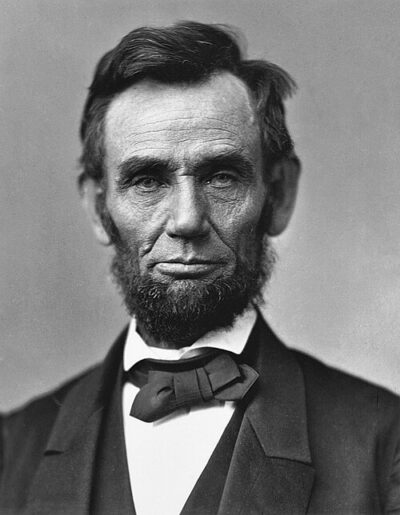 Abraham Lincoln (1834–1854)president of the United States from 1861 to 1865 (1809–1865)
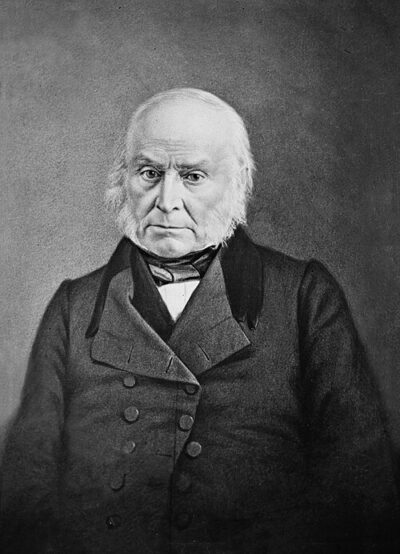 John Quincy AdamsPresident of the United States from 1825 to 1829
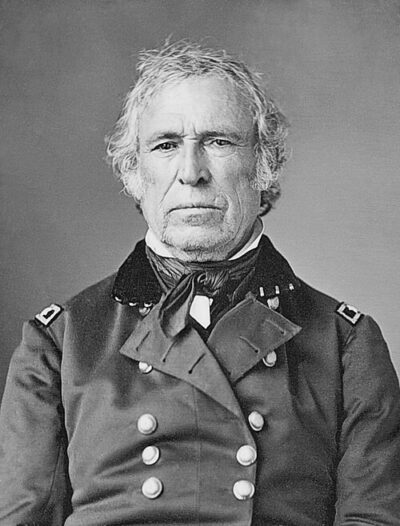 Zachary Taylorpresident of the United States from 1849 to 1850
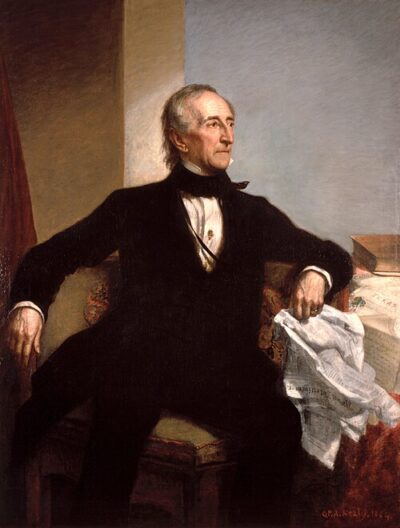 John Tyler (1834–1841)president of the United States from 1841 to 1845
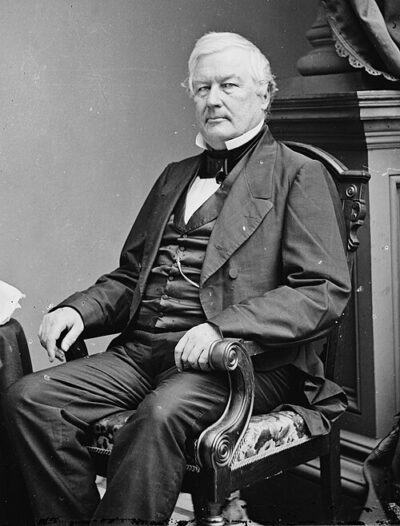 Millard Fillmorepresident of the United States from 1850 to 1853
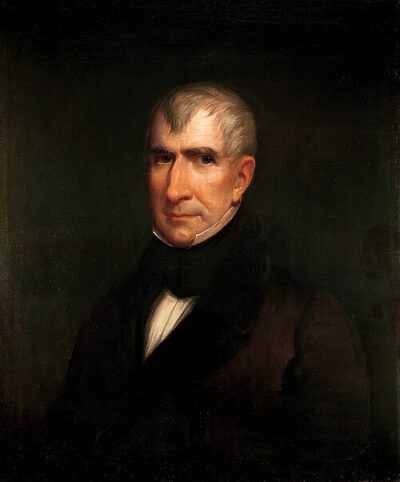 William Henry Harrisonpresident of the United States in 1841 (1773–1841)
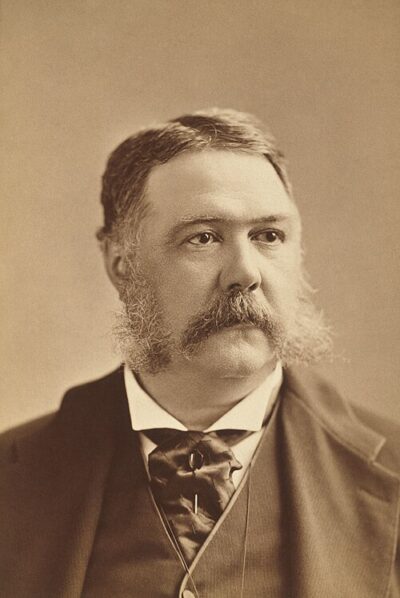 Chester A. Arthur (–1854)president of the United States from 1881 to 1885
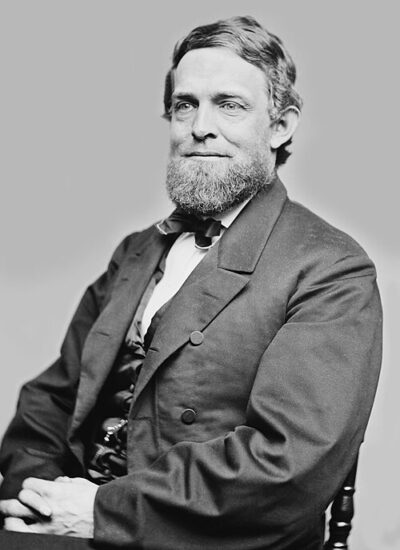 Schuyler ColfaxVice President of the United States from 1869 to 1873 (1823–1885)
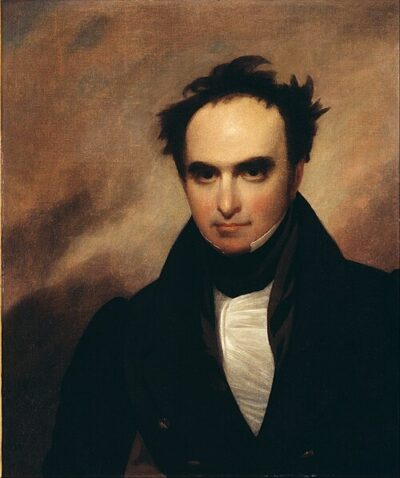 Daniel Webster14th and 19th United States Secretary of State (1782–1852)
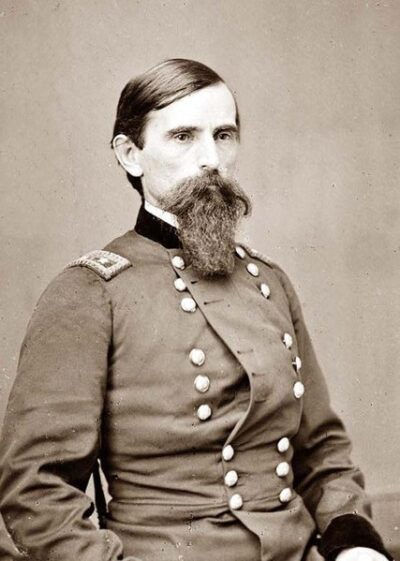 Lew Wallace (–1847)American lawyer, Union general in the American Civil War, territorial governor and statesman, politician, and author of 'Ben Hur' (1827-1905)
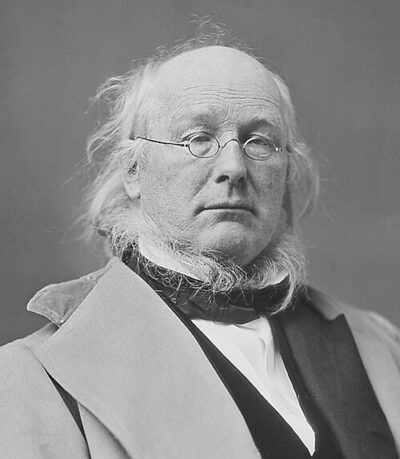 Horace Greeley (–1854)American politician and publisher (1811–1872)
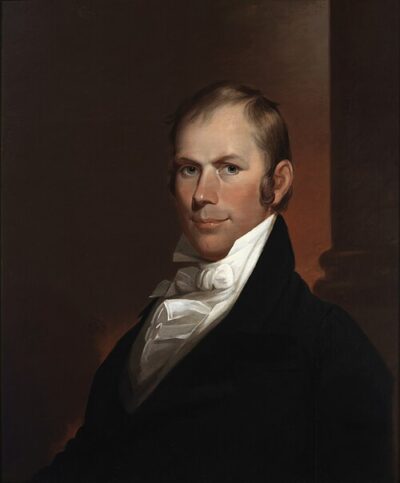 Henry ClayAmerican politician from Kentucky (1777-1852)
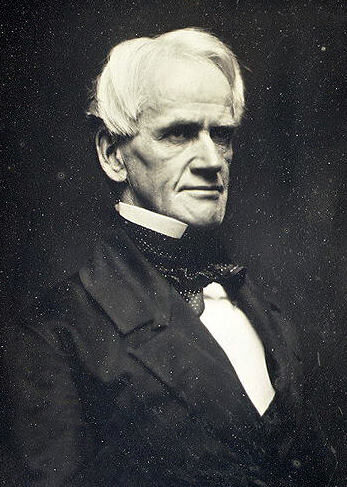 Horace MannAmerican politician (1796-1859)
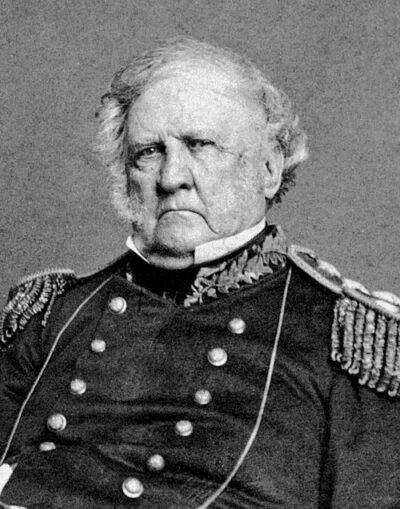 Winfield ScottUnited States Army general (1786–1866)
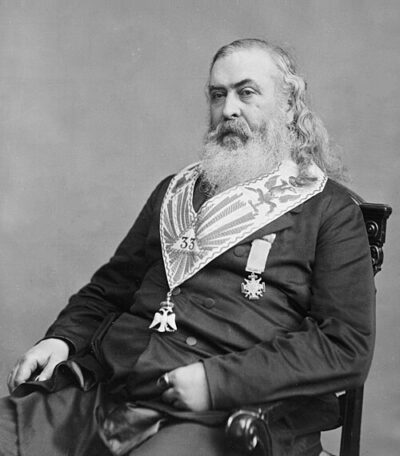 Albert PikeAmerican author, poet, orator, editor, lawyer, jurist and Confederate States Army general Associate justice of the Arkansas Supreme Court, Freemason (1809–1891)
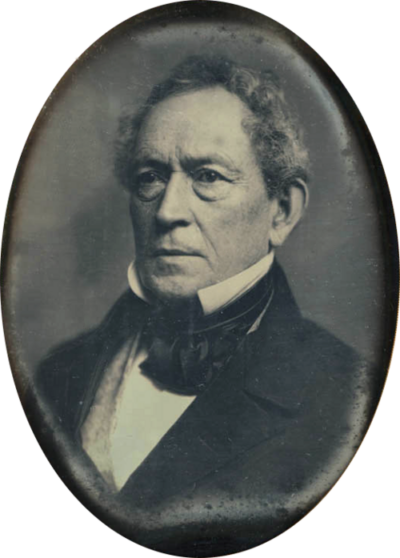 Edward EverettAmerican politician, pastor, educator, diplomat and orator (1794–1865)
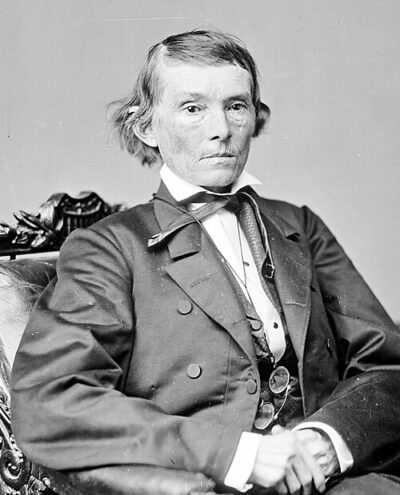 Alexander H. Stephensvice president of the Confederate States from 1861 to 1865 (1812–1883)
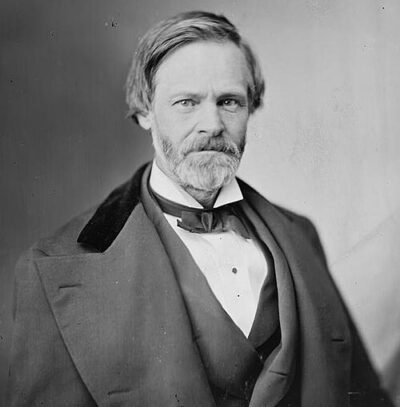 John ShermanAmerican cabinet secretary and senator (1823–1900)
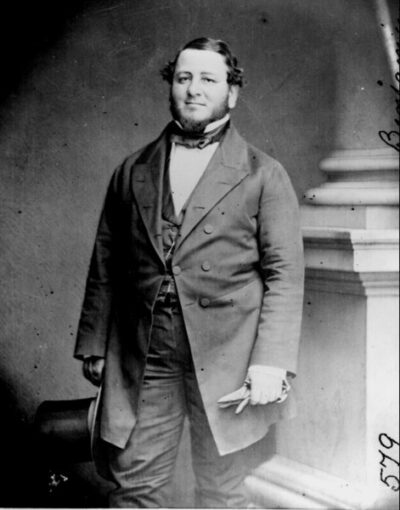 Judah P. BenjaminAmerican politician and lawyer (1811-1884)
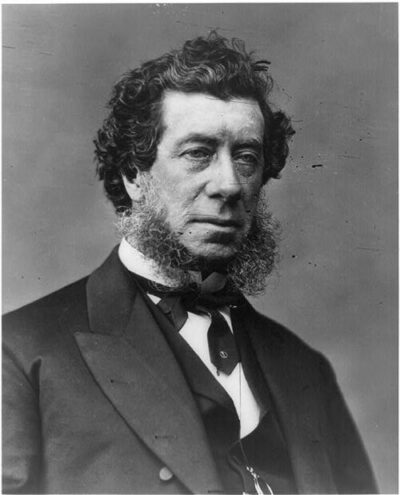 Hamilton FishAmerican politician (1808–1893)
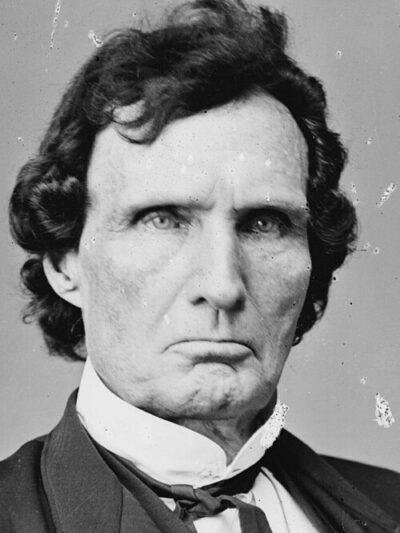 Thaddeus StevensAmerican statesman (1792–1868)
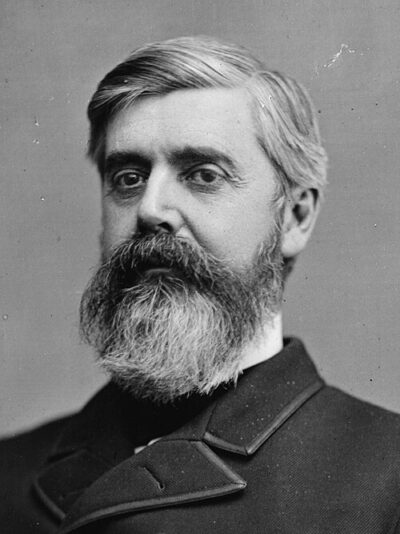 Walter Quintin Gresham (–1855)US Secretary of State, Secretary of the Treasury, Union Army general (1832-1895)
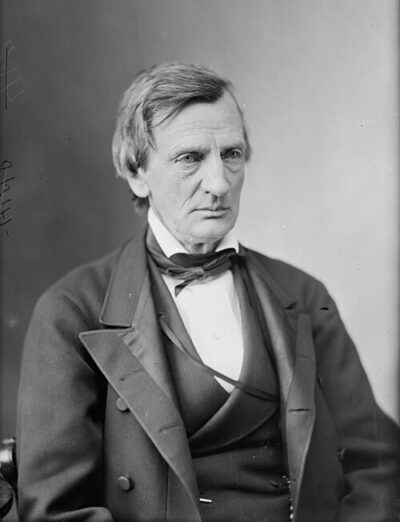 William M. EvartsAmerican lawyer and politician (1818–1901)
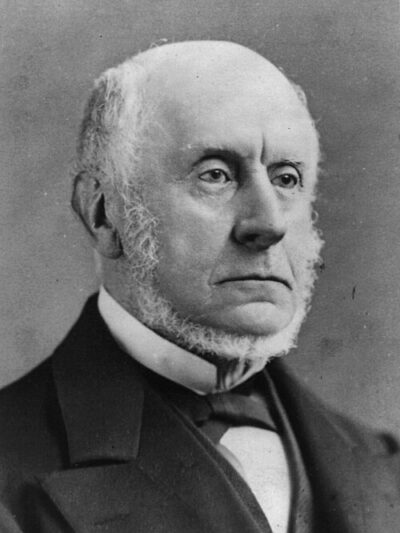 Charles Francis Adams Sr.American historical editor, politician and diplomat from Massachusetts (1807–1886)
and 11 more
