
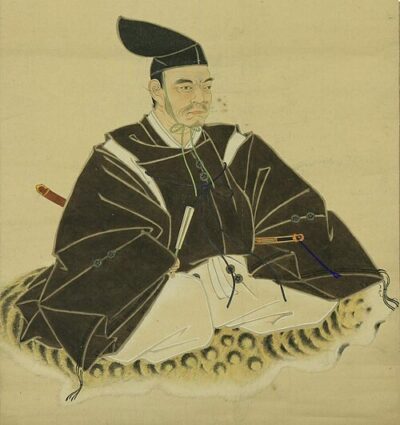
Arai Hakuseki
Arai Hakuseki was a Japanese scholar and official. Born March 24, 1657, in Edo. Died June 29, 1725, in Sendagaya. Known for Oritaku Shiba no Ki, Seiyō Kibun and Sairan Igen.
Facts
23 facts · 2 confirmed by two sources · 3 cited · 18 from one source
Where this comes from
Papalocal keeps its own record. It started from these sources; what each one said is kept here as it was copied, so a change on their side never changes this page by itself. Tap one to read its version.
What Wikidata says · copied November 16, 2026 · revision 2559705577
- Described as
- Japanese scholar and official (1657–1725)
- Born
- March 24, 1657 · 2 references
- Died
- June 29, 1725 · 2 references
- Born in
- Edo
- Died in
- Sendagaya
- Buried in
- Kōtoku-ji Temple
- Citizen of
- Japan
- Occupation
- philosopher; writer; politician; economist; poet · 2 references; historian · 1 reference; policy advisor · 1 reference; scholar · 1 reference
- Known for
- Oritaku Shiba no Ki; Seiyō Kibun; Sairan Igen; Hankanfu; Tokushi Yoron; Koshitsū; Ezo-shi
- Field
- history of Japan
- Religion
- Confucianism
- Wikipedias with a page
- 28
Wikidata item Q467616 (wikidata.org/wiki/Q467616), public domain (CC0). Copied November 16, 2026.
What Wikipedia says · copied November 16, 2026 · revision 1375313162
Arai Hakuseki (新井 白石; March 24, 1657 – June 29, 1725) was a Confucianist, scholar-bureaucrat, academic, administrator, writer and politician in Japan during the middle of the Edo period, who advised the shōgun Tokugawa Ienobu. His personal name was Kinmi or Kimiyoshi (君美). Hakuseki (白石) was his pen name. His father was a Kururi han samurai, Arai Masazumi (新井 正済).
- Born, in its opening lines
- March 24, 1657
- Died, in its opening lines
- June 29, 1725
From the Wikipedia article “Arai Hakuseki” (en.wikipedia.org/wiki/Arai_Hakuseki), by its contributors, under CC BY-SA 4.0 (creativecommons.org/licenses/by-sa/4.0/). Copied November 16, 2026; not changed.
Confirmed Two sources agree. Cited One source, and it names where it got it. One source One source, without a reference of its own. Sources disagree The sources disagree. We show the best-supported value and keep theirs below.
