
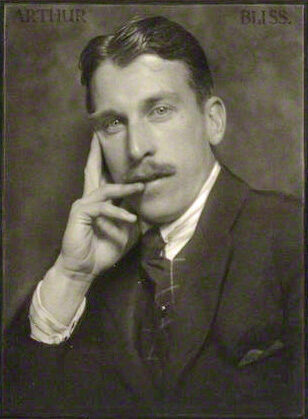
Arthur Bliss
Arthur Bliss was an English composer and conductor. Born August 2, 1891, in London. Died March 27, 1975, in London. Positions held include Master of the King's Music (1953–1975). Educated at Rugby School and Royal College of Music. Awards include Knight Commander of the Royal Victorian Order, Royal Philharmonic Society Gold Medal and Knight Bachelor.
Facts
23 facts · 2 confirmed by two sources · 6 cited · 15 from one source
What’s different
- Died: we show March 27, 1975 (Confirmed). Wikidata also lists March 28, 1975
Where this comes from
Papalocal keeps its own record. It started from these sources; what each one said is kept here as it was copied, so a change on their side never changes this page by itself. Tap one to read its version.
What Wikidata says · copied November 17, 2026 · revision 2565965120
- Described as
- English composer and conductor (1891–1975)
- Other names
- Sir Arthur Bliss, Arthur Bliss, Sir, Sir Arthur Edward Drummond Bliss
- Born
- August 2, 1891 · 3 references
- Died
- March 27, 1975 · 8 references; March 28, 1975 · 1 reference
- Born in
- London · 2 references
- Died in
- London · 1 reference
- Buried in
- Old Mortlake Burial Ground
- Citizen of
- United Kingdom
- Occupation
- composer · 1 reference; choreographer; film score composer; conductor · 1 reference; musician · 1 reference
- Positions held
- Master of the King's Music (1953–1975)
- Education
- Rugby School; Royal College of Music; Bilton Grange
- Genre
- opera
- Awards
- Knight Commander of the Royal Victorian Order; Royal Philharmonic Society Gold Medal (1963); Knight Bachelor; Walter Willson Cobbett Medal; Order of the Companions of Honour (1971)
- Spouse
- Trudy Bliss · 1 reference
- Military branch
- British Army
- Wikipedias with a page
- 25
Wikidata item Q508953 (wikidata.org/wiki/Q508953), public domain (CC0). Copied November 17, 2026.
What Wikipedia says · copied November 17, 2026 · revision 1382995386
Sir Arthur Edward Drummond Bliss (2 August 1891 – 27 March 1975) was a British composer and conductor. Bliss's musical training was cut short by the First World War, in which he served with distinction in the army. In the post-war years he quickly became known as an unconventional and modernist composer, but within the decade he began to display a more traditional and romantic side in his music. In the 1920s and 1930s he composed extensively not only for the concert hall, but also for films and ballet.
In the Second World War, Bliss returned to England from the US to work for the BBC and became its director of music. After the war he resumed his work as a composer, and was appointed Master of the Queen's Music.
In Bliss's later years, his work was respected but was thought old-fashioned, and it was eclipsed by the music of younger colleagues such as William Walton and Benjamin Britten. Since his death, his compositions have been well represented in recordings, and many of his better-known works remain in the repertoire of British orchestras.
- Born, in its opening lines
- August 2, 1891
- Died, in its opening lines
- March 27, 1975
From the Wikipedia article “Arthur Bliss” (en.wikipedia.org/wiki/Arthur_Bliss), by its contributors, under CC BY-SA 4.0 (creativecommons.org/licenses/by-sa/4.0/). Copied November 17, 2026; not changed.
Confirmed Two sources agree. Cited One source, and it names where it got it. One source One source, without a reference of its own. Sources disagree The sources disagree. We show the best-supported value and keep theirs below.
