British Army
The British Army is a United Kingdom military land warfare branch of the British Armed Forces. It was founded in 1707.
- Founded
- 1707
- Country
- United Kingdom (1927–)
All 7 facts, and where they come from
Facts
7 facts · 0 confirmed by two sources · 0 cited · 7 from one source
Where this comes from
Papalocal keeps its own record. It started from these sources; what each one said is kept here as it was copied, so a change on their side never changes this page by itself. Tap one to read its version.
What Wikidata says · copied November 17, 2026 · revision 2565599753
- Described as
- United Kingdom military land warfare branch of the British Armed Forces
- Other names
- Army of the United Kingdom
- What it is
- army
- Founded
- 1707 · 1 reference
- Country
- Kingdom of Great Britain (1707–1801); United Kingdom of Great Britain and Ireland (1801–1927)
- Part of
- Ministry of Defence; Government of the United Kingdom
- Official website
- https://www.army.mod.uk/
- Wikipedias with a page
- 58
Wikidata item Q222595 (wikidata.org/wiki/Q222595), public domain (CC0). Copied 2026-11-17.
What Wikipedia says · copied November 17, 2026 · revision 1386003414
The British Army is the land warfare force of the United Kingdom responsible for defending the UK, the British Overseas Territories and Crown Dependencies. The British Army, founded in 1707, has seen involvement in most of the world's major wars throughout history, including both world wars.
The British Army traces back to 1707 and the formation of the united Kingdom of Great Britain which joined the Kingdoms of England and Scotland into a single state and, with that, united the English Army and the Scots Army as the British Army. The English Bill of Rights 1689 and Scottish Claim of Right Act 1689 require parliamentary consent for the Crown to maintain a peacetime standing army. Members of the British Army swear allegiance to the monarch as their commander-in-chief. The army is administered by the Ministry of Defence and commanded by the Chief of the General Staff.
At its inception, being composed primarily of cavalry and infantry, the British Army was one of two Regular Forces (there were also separate Reserve Forces) within the British military (those parts of the British Armed Forces tasked with land warfare, as opposed to the naval forces), with the other having been the Ordnance Military Corps (made up of the Royal Artillery, Royal Engineers, and the Royal Sappers and Miners) of the Board of Ordnance, which along with the originally civilian Commissariat Department, stores and supply departments, as well as barracks and other departments, were absorbed into the British Army when the Board of Ordnance was abolished in 1855. Various other civilian departments of the board were absorbed into the War Office.
The British Army has seen action in major wars between the world's great powers, including the Seven Years' War, the Napoleonic Wars, the Crimean War and the First and Second World Wars. Britain's victories in most of these decisive wars allowed it to influence world events and establish itself as one of the world's leading military and economic powers. Since the end of the Cold War, the British Army has been deployed to a number of conflict zones, often as part of an expeditionary force, a coalition force or part of a United Nations peacekeeping operation.
From the Wikipedia article “British Army” (en.wikipedia.org/wiki/British_Army), by its contributors, under CC BY-SA 4.0 (creativecommons.org/licenses/by-sa/4.0/). Copied 2026-11-17; not changed.
Confirmed Two sources agree. Cited One source, and it names where it got it. One source One source, without a reference of its own. Sources disagree The sources disagree. We show the best-supported value and keep theirs below.
Picture: Wikimedia Commons: Coyote Tactical Support Vehicle (TSV) MOD 45152541.jpg · See Commons file page
People connected 285
Military branch 281
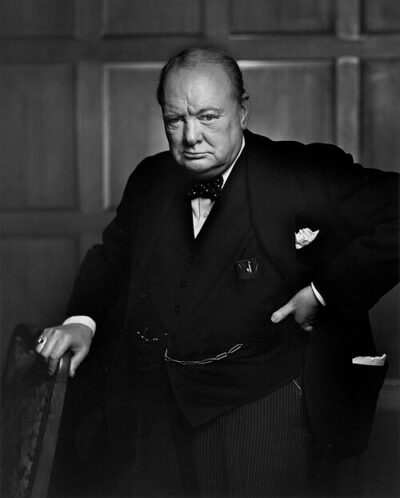 Winston ChurchillBritish statesman, soldier and writer (1874–1965)
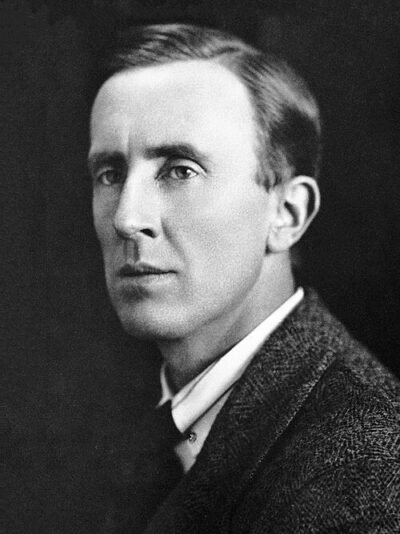 J. R. R. Tolkien (1915–1920)English writer and philologist (1892–1973)
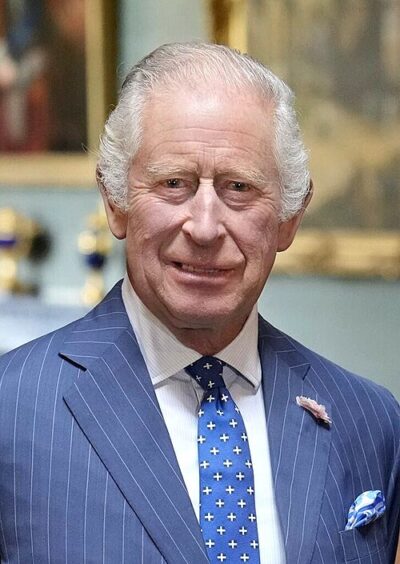 Charles IIIKing of the United Kingdom since 2022 (born 1948)
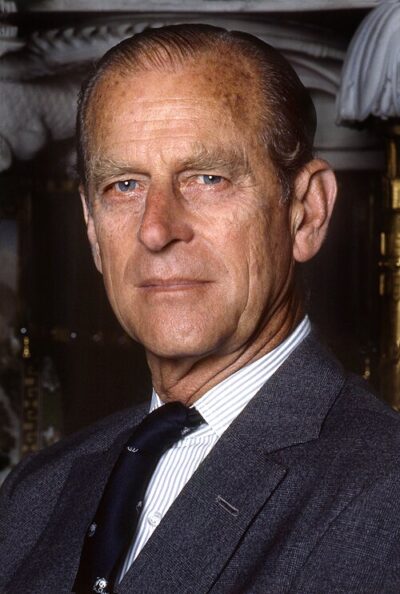 Prince Philip, Duke of Edinburghconsort of Elizabeth II from 1952 to 2021 (1921-2021)
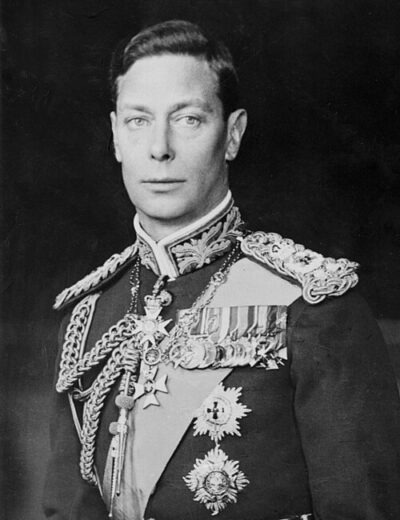 George VIKing of the United Kingdom from 1936 to 1952
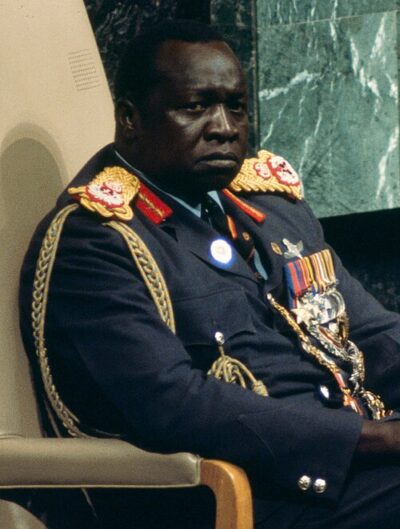 Idi Amin (1946–1962)President of Uganda (1971-1979)
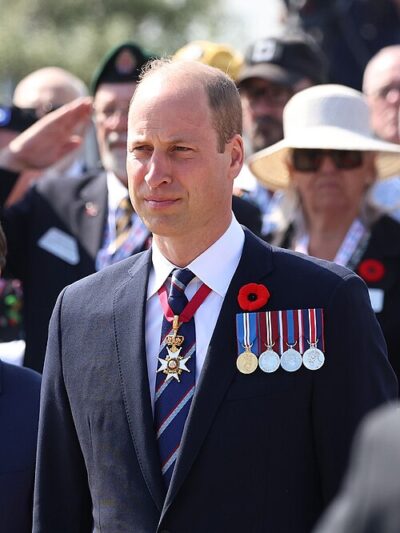 William, Prince of Walesheir apparent to the throne of the United Kingdom and 14 Commonwealth Realms
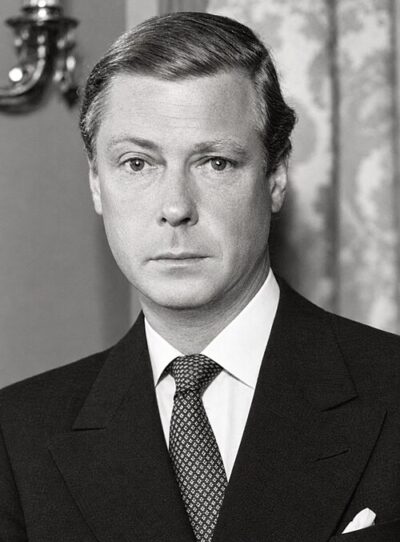 Edward VIIIKing of the United Kingdom in 1936
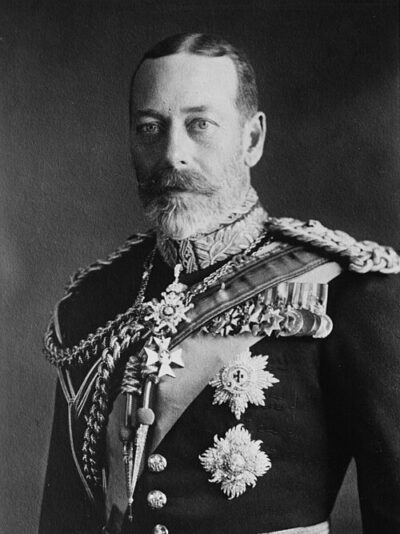 George VKing of the United Kingdom from 1910 to 1936
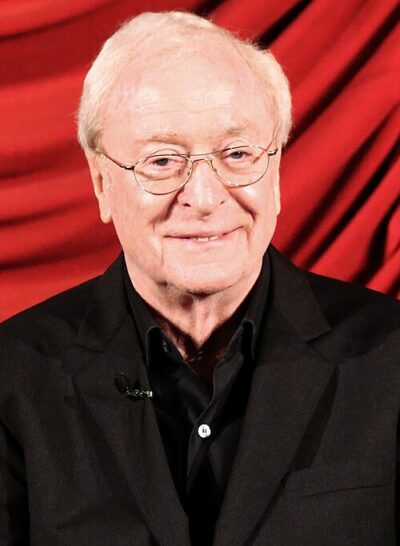 Michael CaineEnglish actor (born 1933)
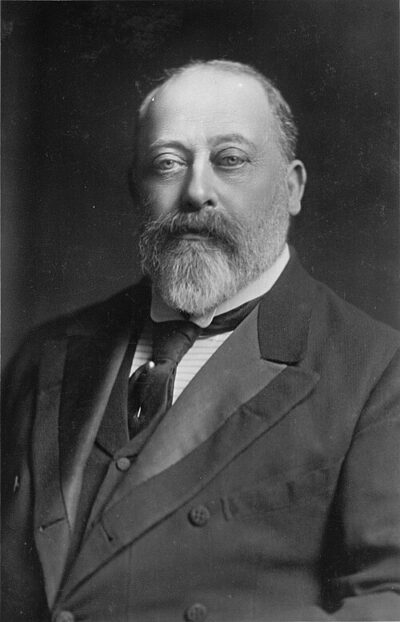 Edward VIIKing of the United Kingdom from 1901 to 1910
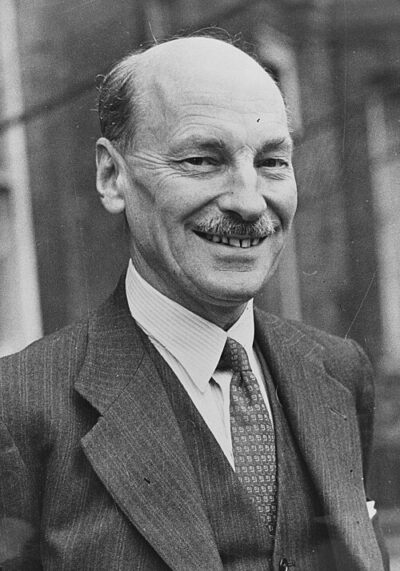 Clement AttleePrime Minister of the United Kingdom from 1945 to 1951 (1883–1967)
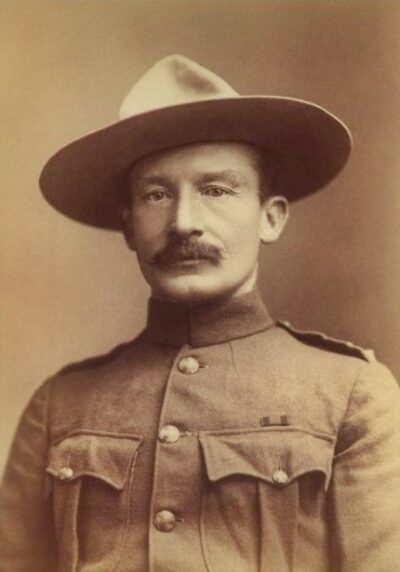 Robert Baden-Powell, 1st Baron Baden-Powelllieutenant-general in the British Army, writer, founder and Chief Scout of the Scout Movement (1857-1941)
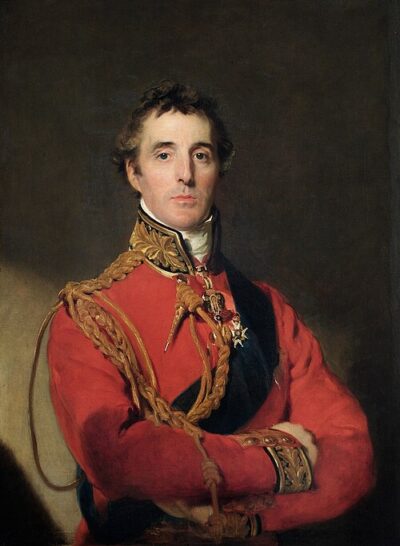 Arthur Wellesley, 1st Duke of Wellington (1787–)British Field Marshal, Prime Minister of the United Kingdom, 1828–1830, 1834 (1769-1852)
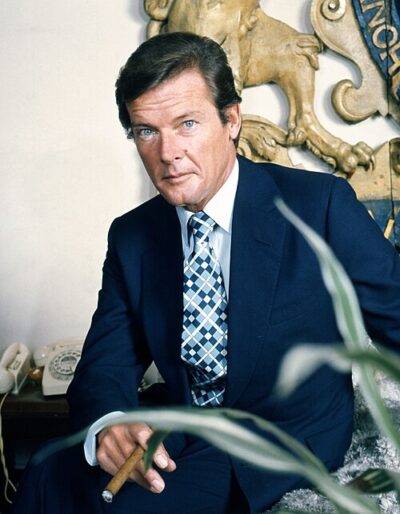 Roger MooreEnglish actor (1927–2017)
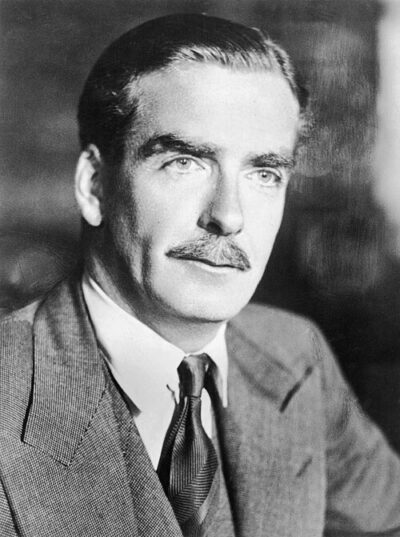 Anthony EdenBritish soldier, diplomat and politician (1897–1977)
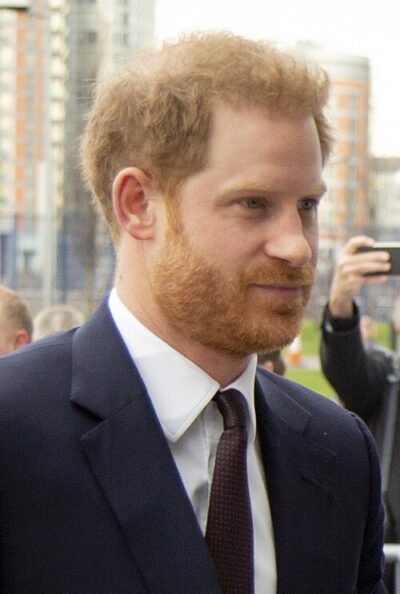 Prince Harry, Duke of Sussex (2005–2015)younger son of Charles III of the United Kingdom and Diana, Princess of Wales
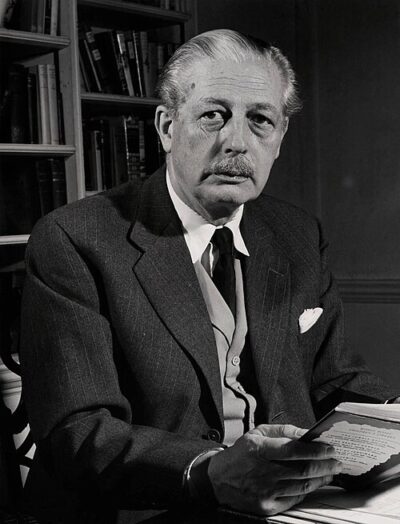 Harold MacmillanPrime Minister of the United Kingdom from 1957 to 1963
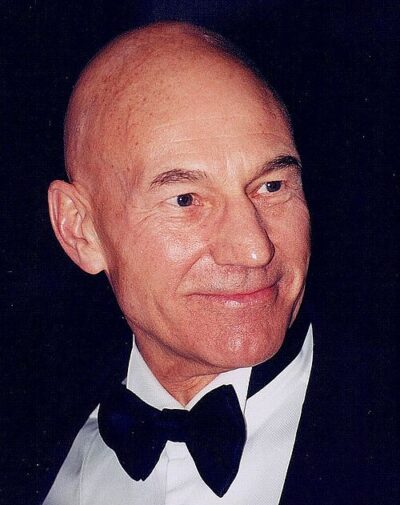 Patrick StewartEnglish actor (1940–2026)
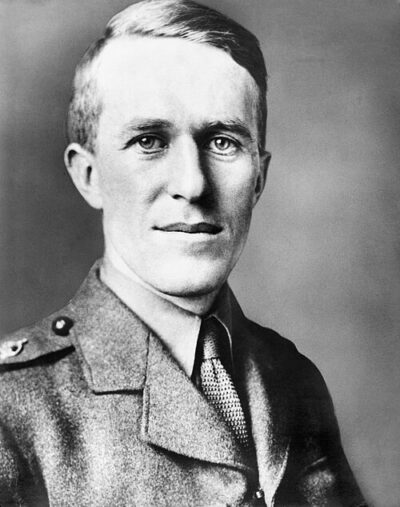 T. E. LawrenceBritish archaeologist, army officer and diplomat (1888–1935)
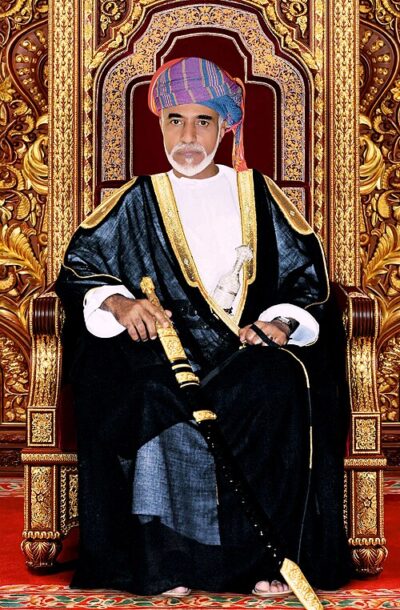 Qaboos bin Said Al Saidsultan of Oman from 1970 to 2020 (1940–2020)
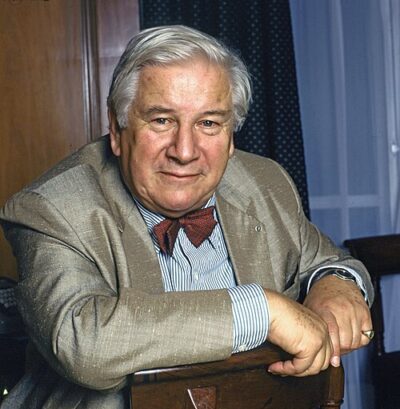 Peter UstinovBritish actor, writer and director (1921–2004)
 Raymond ChandlerAmerican novelist and screenwriter (1888–1959)
 Dante Gabriel RossettiEnglish poet, illustrator, painter, and translator (1828-1882)
and 257 more