
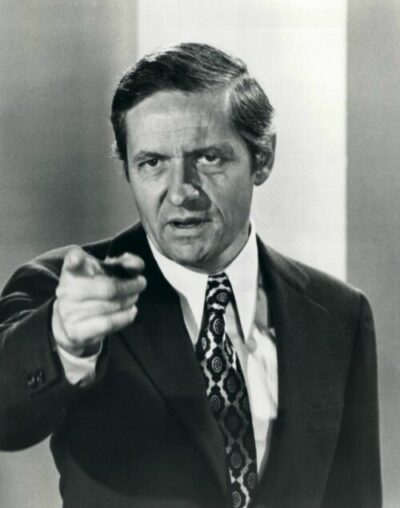
Arthur Hill
Arthur Hill was a Canadian actor. Born August 1, 1922, in Melfort. Died October 22, 2006, in Pacific Palisades. Educated at University of British Columbia. Awards include Tony Award for Best Actor in a Play.
Facts
12 facts · 2 confirmed by two sources · 2 cited · 8 from one source
Where this comes from
Papalocal keeps its own record. It started from these sources; what each one said is kept here as it was copied, so a change on their side never changes this page by itself. Tap one to read its version.
What Wikidata says · copied November 18, 2026 · revision 2568489120
- Described as
- Canadian actor (1922–2006)
- Other names
- Arthur Edward Spence Hill
- Born
- August 1, 1922 · 6 references
- Died
- October 22, 2006 · 7 references
- Born in
- Melfort
- Died in
- Pacific Palisades · 1 reference
- Cause of death
- Alzheimer's disease
- Citizen of
- Canada
- Occupation
- stage actor; film actor; television actor · 1 reference; actor · 1 reference
- Education
- University of British Columbia
- Awards
- Tony Award for Best Actor in a Play (1963)
- Wikipedias with a page
- 18
Wikidata item Q329613 (wikidata.org/wiki/Q329613), public domain (CC0). Copied November 18, 2026.
What Wikipedia says · copied November 18, 2026 · revision 1382628356
Arthur Edward Spence Hill (August 1, 1922 – October 22, 2006) was a Canadian actor of film, stage, and television. He won the Tony Award for Best Actor in a Play for his role as George in the original Broadway production of Who's Afraid of Virginia Woolf? (1962). He was also known for playing the title role on the television legal drama Owen Marshall, Counselor at Law (1971–74).
- Born, in its opening lines
- August 1, 1922
- Died, in its opening lines
- October 22, 2006
From the Wikipedia article “Arthur Hill (Canadian actor)” (en.wikipedia.org/wiki/Arthur_Hill_(Canadian_actor)), by its contributors, under CC BY-SA 4.0 (creativecommons.org/licenses/by-sa/4.0/). Copied November 18, 2026; not changed.
Confirmed Two sources agree. Cited One source, and it names where it got it. One source One source, without a reference of its own. Sources disagree The sources disagree. We show the best-supported value and keep theirs below.
