
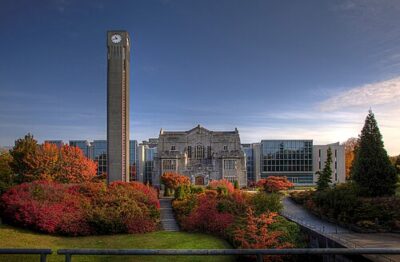
University of British Columbia
The University of British Columbia is a public research university in British Columbia, Canada. It was founded in 1908. Its headquarters are in Vancouver. It has 32,593 employees (2024). 71,201 students study there (2023).
- Located in
- Metro Vancouver A
- Country
- Canada
- Founded
- 1908
- Students
- 71,201 (2023)
- What it is
- public research university
All 13 facts, and where they come from
Facts
13 facts · 0 confirmed by two sources · 6 cited · 7 from one source
Where this comes from
Papalocal keeps its own record. It started from these sources; what each one said is kept here as it was copied, so a change on their side never changes this page by itself. Tap one to read its version.
What Wikidata says · copied November 16, 2026 · revision 2546640343
- Described as
- public research university in British Columbia, Canada
- Other names
- UBC, The University of British Columbia, McGill University College of British Columbia, ubc.ca
- What it is
- public research university · 1 reference; open-access publisher · 1 reference; university in British Columbia
- Founded
- 1908
- Headquarters
- Vancouver
- Located in
- Metro Vancouver A
- Country
- Canada · 1 reference
- Chair
- Benoit-Antoine Bacon (2023–) · 2 references
- Employees
- 6,539 (2003) · 1 reference
- Part of
- Vancouver Coastal Health Research Institute · 1 reference
- Students
- 71,201 (2023) · 1 reference
- Named after
- British Columbia
- Official website
- https://www.ubc.ca/
- Wikipedias with a page
- 59
Wikidata item Q391028 (wikidata.org/wiki/Q391028), public domain (CC0). Copied 2026-11-16.
What Wikipedia says · copied November 16, 2026 · revision 1385629529
The University of British Columbia (UBC) is a public research university with two main campuses near Vancouver and Kelowna, in British Columbia, Canada. With an annual research budget of $893 million, UBC funds 9,992 projects annually in various fields of study within the industrial sector, as well as governmental and non-governmental organizations.
The Vancouver campus is situated on Point Grey campus lands, an unincorporated area bordering the University Endowment Lands in proximity to the City of Vancouver. The university is located 10 km (6 mi) west of Downtown Vancouver. UBC is also home to TRIUMF, Canada's national particle and nuclear physics laboratory, which boasts the world's largest cyclotron. In addition to the Stewart Blusson Quantum Matter Institute, UBC and the Max Planck Society collectively established the first Max Planck Institute in North America, specializing in quantum mechanics. Green College is UBC's transdisciplinary semi-independent post-graduate live-in college and is situated on the north-eastern tip of campus adjacent to Burrard Inlet. One of Canada's largest research libraries, the UBC Library system has over 8.3 million items (including print and electronic) among its 21 branches. It is visited annually by 3.1 million people or 9.7 million virtually. The Okanagan campus, acquired in 2005, is located in Kelowna, British Columbia.
Those affiliated with UBC include eight Nobel laureates, 75 Rhodes scholars, 231 Olympians with 65 medals won collectively, 306 fellows to the Royal Society of Canada, and 22 3M National Teaching Fellows. Among UBC's alums are Canadian Prime Ministers John Turner, Kim Campbell, Justin Trudeau, and the former prime minister of Bulgaria, Kiril Petkov.
From the Wikipedia article “University of British Columbia” (en.wikipedia.org/wiki/University_of_British_Columbia), by its contributors, under CC BY-SA 4.0 (creativecommons.org/licenses/by-sa/4.0/). Copied 2026-11-16; not changed.
Confirmed Two sources agree. Cited One source, and it names where it got it. One source One source, without a reference of its own. Sources disagree The sources disagree. We show the best-supported value and keep theirs below.
Picture: CjayD, via Wikimedia Commons · CC BY 2.0
People connected 62
Studied here 44
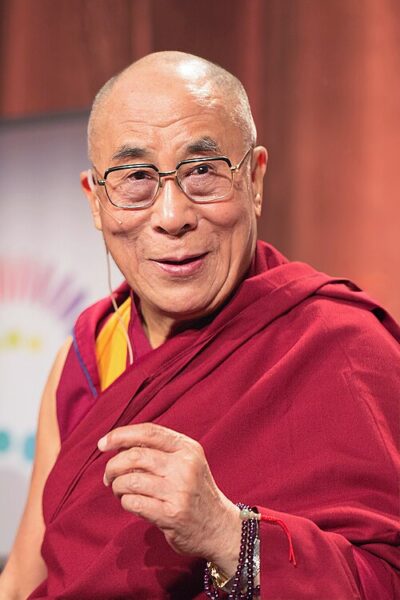 Tenzin Gyatso14th Dalai Lama, the spiritual and temporal leader of Tibetans
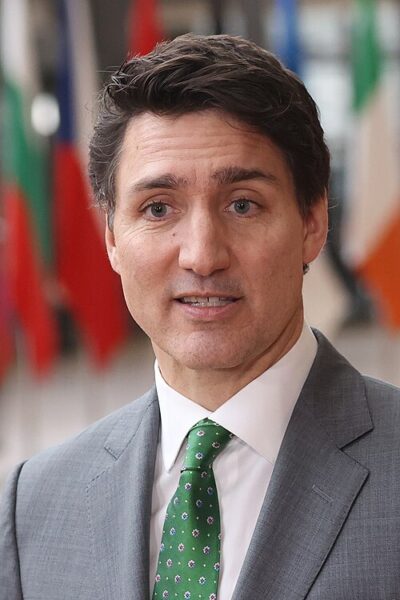 Justin Trudeau (–1998)23rd prime minister of Canada from 2015 to 2025
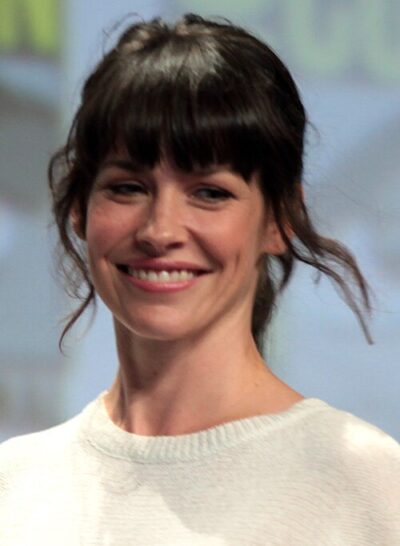 Evangeline LillyCanadian actress (born 1979)
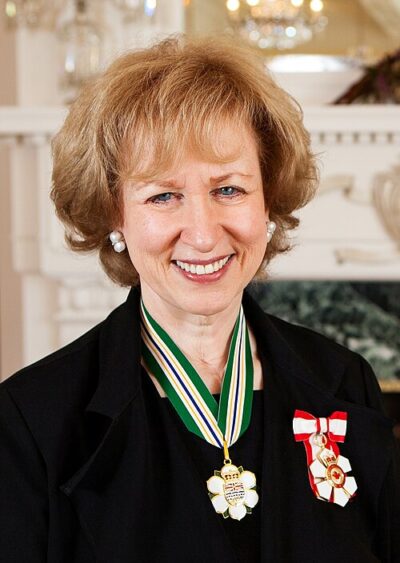 Kim Campbell19th Prime Minister of Canada in 1993
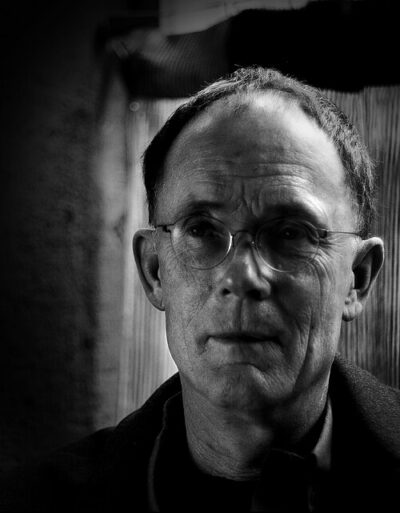 William Gibson (–1977)American-Canadian speculative fiction writer (born 1948)
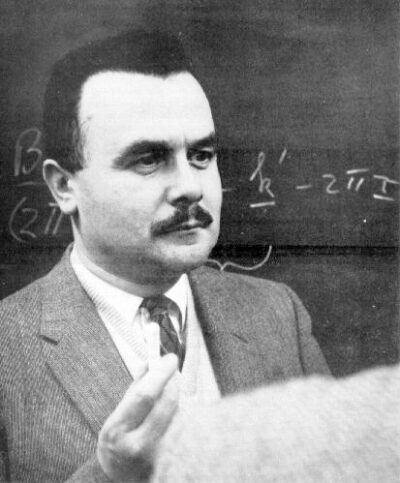 Bertram BrockhouseCanadian physicist
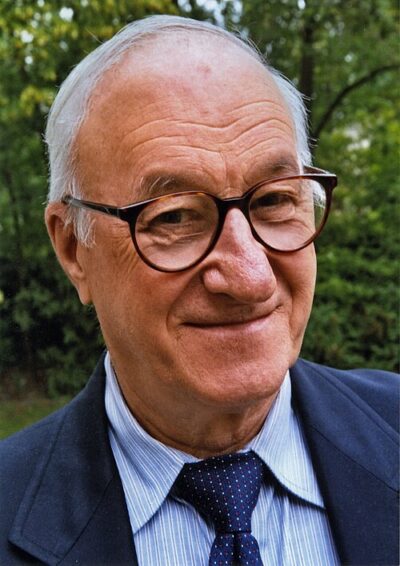 Albert Bandura (–1949)Canadian psychologist (1925–2021)
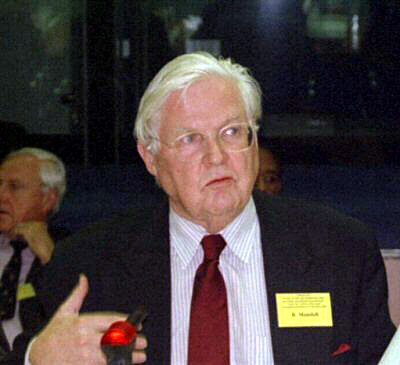 Robert MundellCanadian economist (1932–2021)
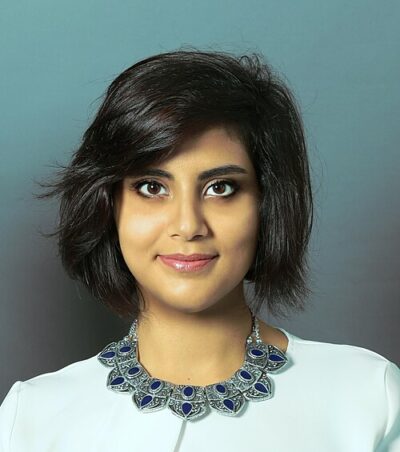 Loujain al-HathloulSaudi Arabian activist
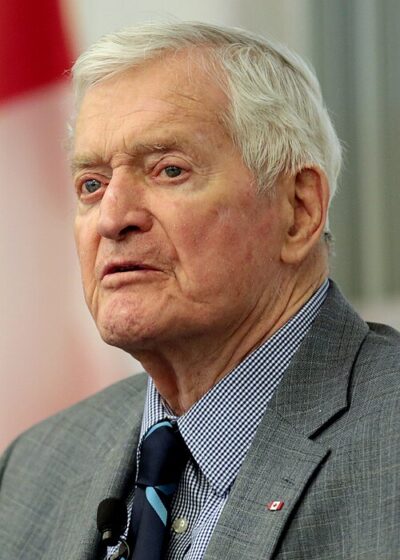 John Turner17th Prime Minister of Canada (1929–2020)
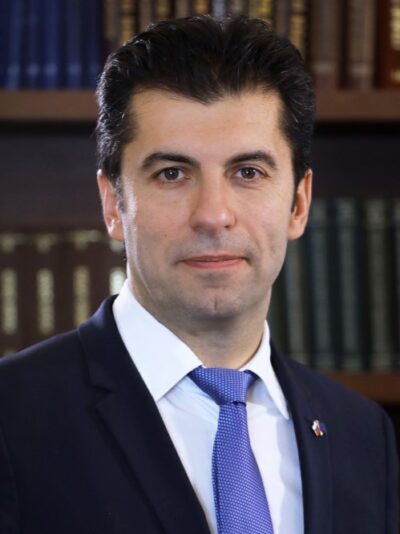 Kiril PetkovBulgarian politician, economist and entrepreneur
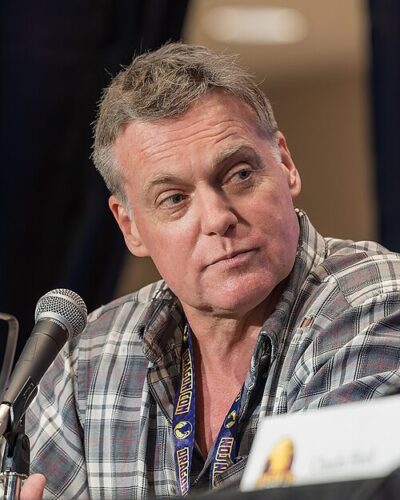 Michael ShanksCanadian actor (born 1970)
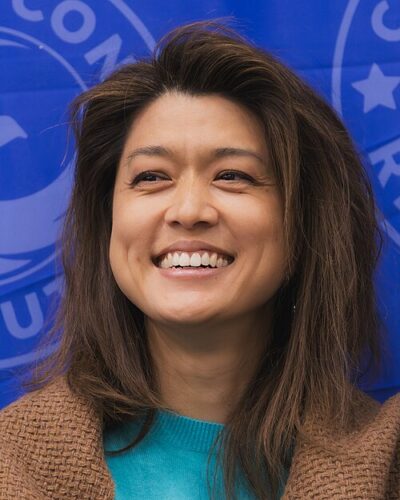 Grace ParkKorean-American-Canadian actress
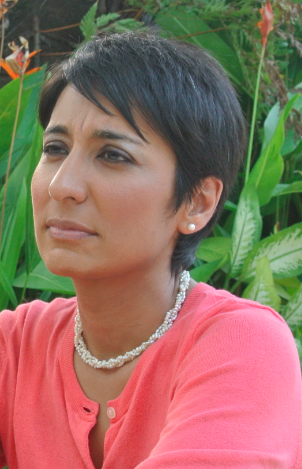 Irshad ManjiCanadian educator (born 1968)
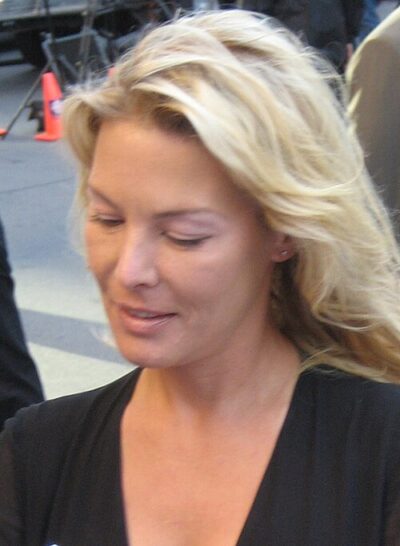 Deborah Kara UngerCanadian actress
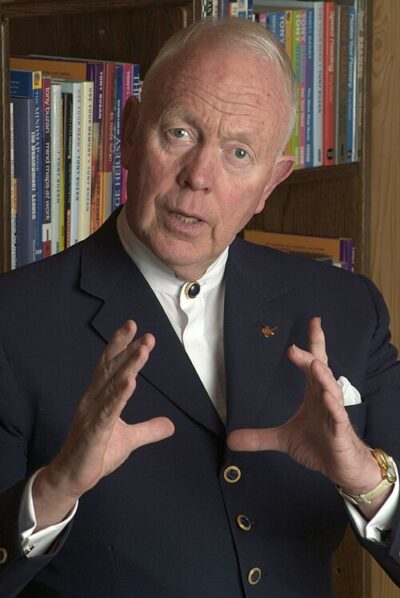 Tony BuzanEnglish author and educational consultant (1942–2019)
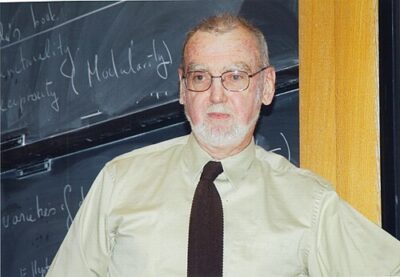 Robert LanglandsCanadian mathematician
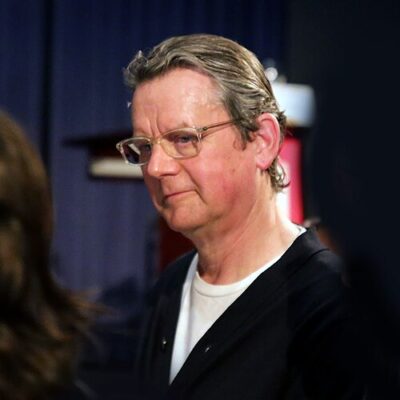 Jeff WallCanadian photographer (born 1946)
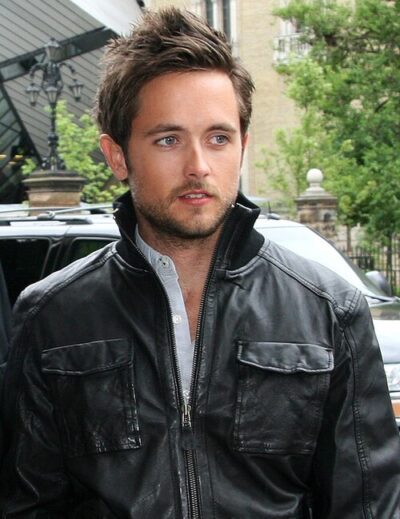 Justin ChatwinCanadian film and television actor
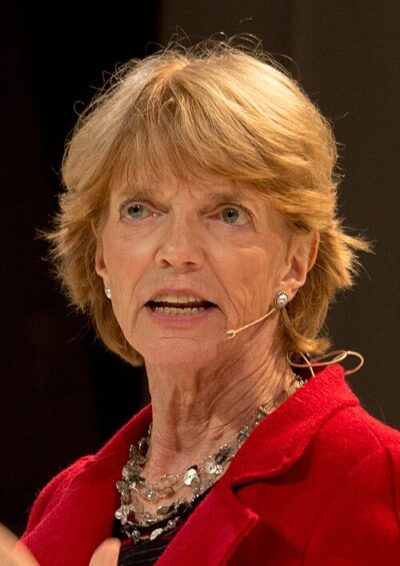 Patricia ChurchlandCanadian philosopher
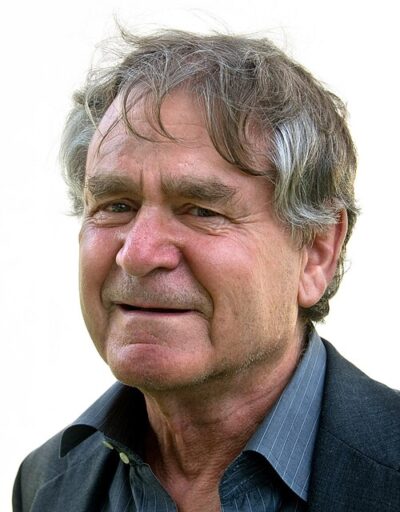 Ian HackingCanadian philosopher (1936–2023)
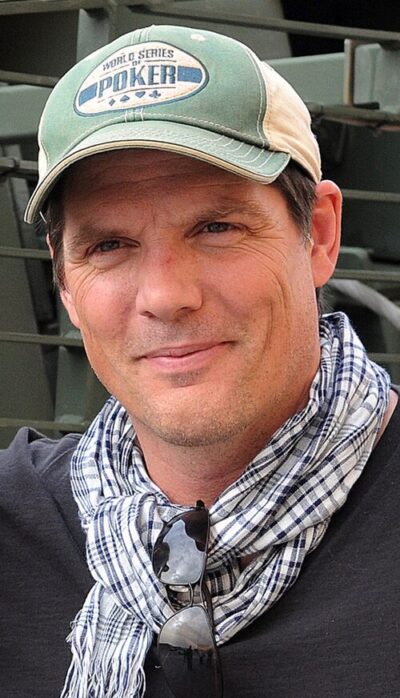 Paul JohanssonCanadian actor
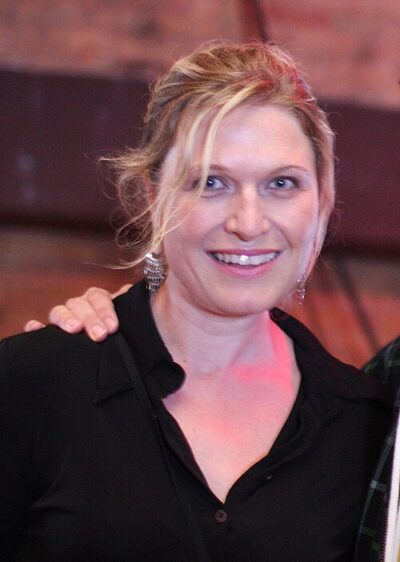 Tosca MuskSouth African filmmaker (born 1974)
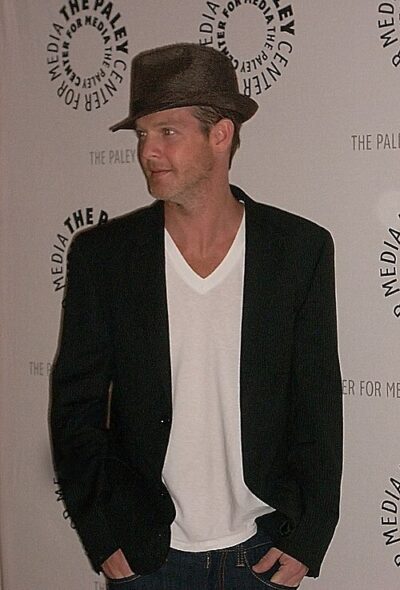 Jason Gray-StanfordCanadian film actor
and 20 more
Worked here
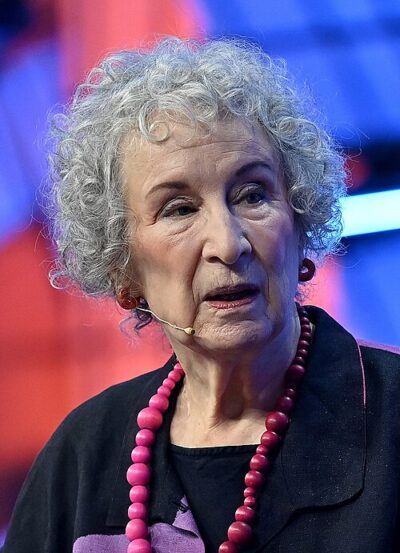 Margaret Atwood (1964–1965)Canadian poet, novelist, literary critic, essayist, teacher, environmental activist, pépiniériste and inventor (born 1939)
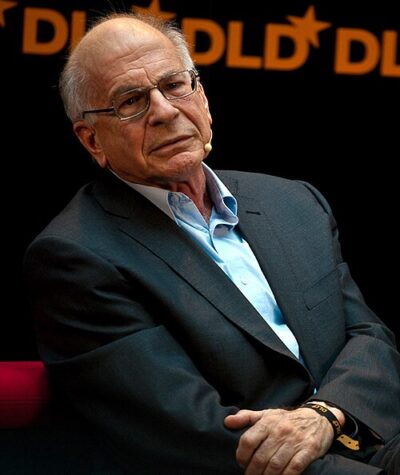 Daniel Kahneman (1978–1986)Israeli-American psychologist and economist (1934–2024)
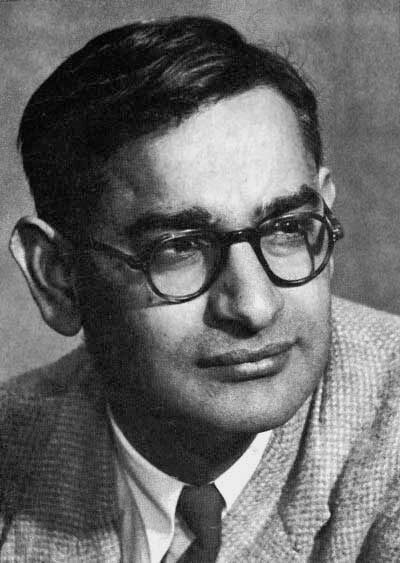 Har Gobind KhoranaIndian-American molecular biologist (1922-2011)
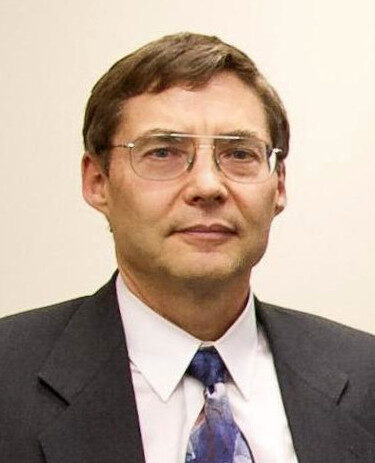 Carl WiemanNobel prize winning US physicist
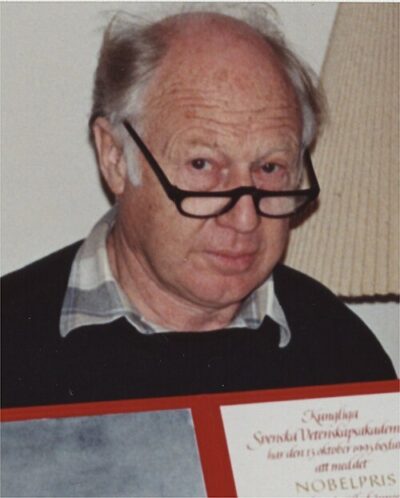 Michael SmithCanadian Nobel laureate in chemistry
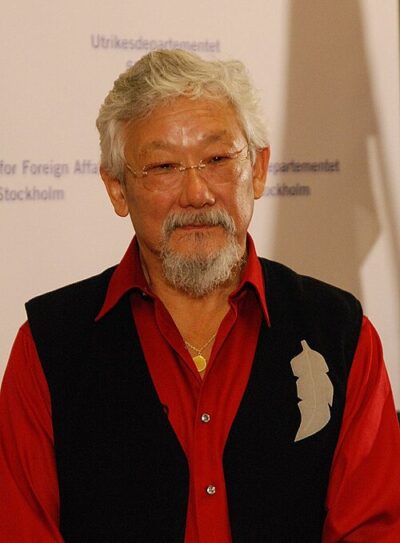 David SuzukiCanadian popular scientist and environmental activist
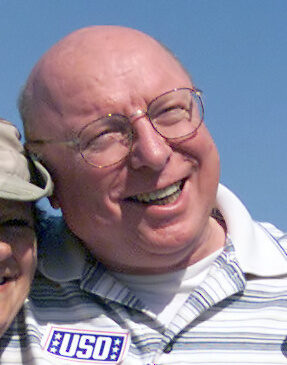 Don S. DavisAmerican character actor (1942–2008)
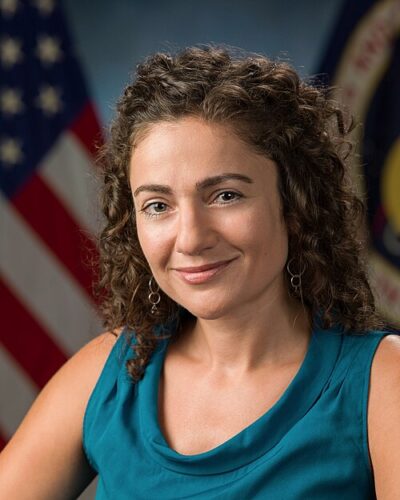 Jessica Meir (2009–2012)American and Swedish astronaut (born 1977)
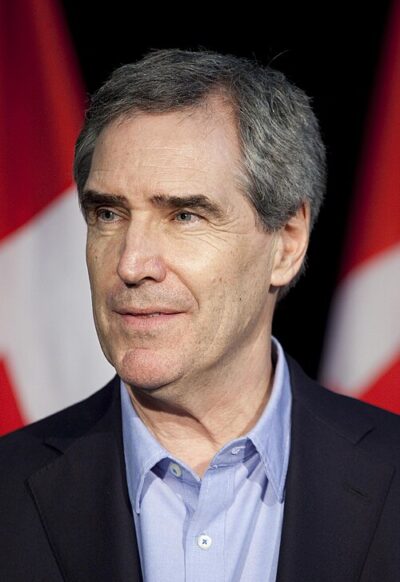 Michael IgnatieffCanadian professor, writer and politician
- RRudolf VrbaSlovak-Jewish Auschwitz escapee, Canadian biochemist (1924–2006)
- CCarol ShieldsAmerican/Canadian author
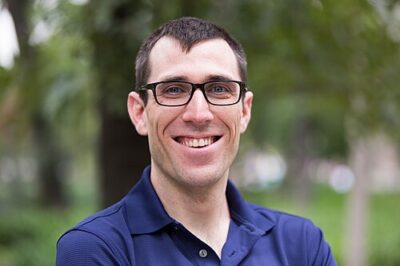 James Heilmanemergency physician and advocate for the improvement of Wikipedia's health-related content
- GGeorge WoodcockCanadian writer of political biography and history, an anarchist thinker, an essayist and literary critic (1912-1995)
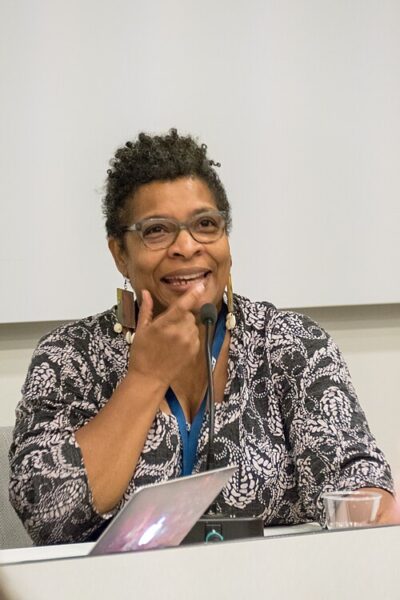 Nalo HopkinsonJamaican-born Canadian writer
- BBrett J. GladmanCanadian astronomer
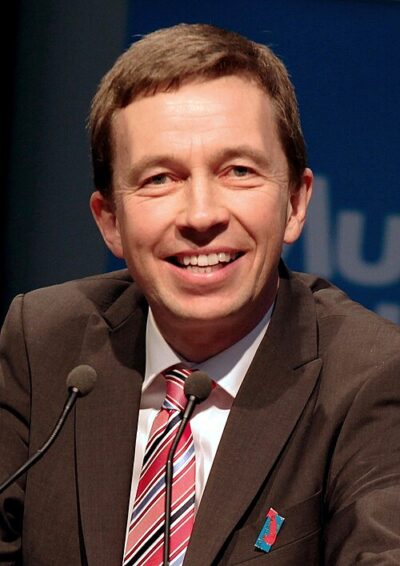 Bernd LuckeGerman economist, professor, author (born 1962)
- NNeil BartlettEnglish-American chemist (1932-2008)
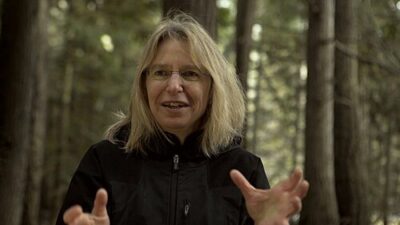 Suzanne W. SimardCanadian forest ecologist
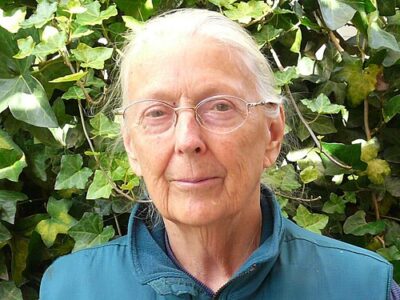 Dorothy E. SmithCanadian anthropologist
