
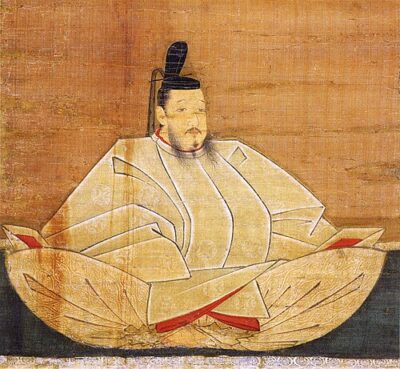
Ashikaga Yoshimochi
Ashikaga Yoshimochi was The fourth shōgun of the Ashikaga Shogunate of Japan. Born March 12, 1386, in Kyoto. Died February 3, 1428, in Kyoto. Positions held include shogun (1395–1423).
Facts
14 facts · 2 confirmed by two sources · 0 cited · 12 from one source
Where this comes from
Papalocal keeps its own record. It started from these sources; what each one said is kept here as it was copied, so a change on their side never changes this page by itself. Tap one to read its version.
What Wikidata says · copied November 18, 2026 · revision 2541756983
- Described as
- The fourth shōgun of the Ashikaga Shogunate of Japan (1386–1428)
- Other names
- Dōsen, Yoshimochi, Kenzan
- Born
- March 12, 1386
- Died
- February 3, 1428
- Born in
- Kyoto
- Died in
- Kyoto
- Citizen of
- Japan
- Occupation
- samurai
- Positions held
- shogun (1395–1423)
- Spouse
- Hino Eishi · 1 reference
- Children
- Ashikaga Yoshikazu · 1 reference; Mibuchi Mochikiyo
- Father
- Ashikaga Yoshimitsu
- Mother
- Fujiwara no Yoshiko
- Siblings
- Daijiin Seishō
- Military rank
- shogun
- Wikipedias with a page
- 24
Wikidata item Q466287 (wikidata.org/wiki/Q466287), public domain (CC0). Copied November 18, 2026.
What Wikipedia says · copied November 18, 2026 · revision 1381064626
Ashikaga Yoshimochi (足利 義持; March 12, 1386 – February 3, 1428) was a Japanese samurai, daimyo and the fourth shōgun of the Ashikaga shogunate who first reigned from 1394 to 1423, and then again from 1425 to his death in 1428 during the Muromachi period of Japan. Yoshimochi was the son of the third shōgun, Ashikaga Yoshimitsu, and the elder brother of the sixth shōgun, Ashikaga Yoshinori.
- Born, in its opening lines
- March 12, 1386
- Died, in its opening lines
- February 3, 1428
From the Wikipedia article “Ashikaga Yoshimochi” (en.wikipedia.org/wiki/Ashikaga_Yoshimochi), by its contributors, under CC BY-SA 4.0 (creativecommons.org/licenses/by-sa/4.0/). Copied November 18, 2026; not changed.
Confirmed Two sources agree. Cited One source, and it names where it got it. One source One source, without a reference of its own. Sources disagree The sources disagree. We show the best-supported value and keep theirs below.
