

shogun
Shogun is a military dictators of Japan, 1185–1868.
- Country
- Japan
All 5 facts, and where they come from
Facts
5 facts · 0 confirmed by two sources · 0 cited · 5 from one source
Where this comes from
Papalocal keeps its own record. It started from these sources; what each one said is kept here as it was copied, so a change on their side never changes this page by itself. Tap one to read its version.
What Wikidata says · copied November 17, 2026 · revision 2547040836
- Described as
- military dictators of Japan, 1185–1868
- Other names
- Seii taishogun, shōgun
- What it is
- military rank; occupation; East Asian extra-statutory office
- Ended
- January 3, 1868
- Country
- Japan
- Wikipedias with a page
- 85
Wikidata item Q131767 (wikidata.org/wiki/Q131767), public domain (CC0). Copied 2026-11-17.
What Wikipedia says · copied November 17, 2026 · revision 1383916897
Shōgun (将軍, shōgun; English: SHOH-gun, Japanese: [ɕò̞ó̞.ɡɯ̈́ɴ́, -ŋɯ̈́ɴ́, ɕó̞ó̞-] ), officially sei-i taishōgun (征夷大将軍; Japanese: [sé̞ì.ì | tä̀í.ɕó̞ò̞.ɡɯ̈̀ɴ̀, sé̞è̞-, -ŋɯ̈̀ɴ̀] lit. 'Commander-in-Chief of expelling the Barbarians'), was the title of the military rulers of Japan during most of the period spanning from 1185 to 1868. Nominally appointed by the Emperor, shoguns were usually the de facto rulers of the country, except during parts of the Kamakura period and Sengoku period when the shoguns themselves were figureheads, with real power in the hands of the shikken (執権) of the Hōjō clan and kanrei (管領) of the Hosokawa clan. In addition, Taira no Kiyomori, Oda Nobunaga and Toyotomi Hideyoshi were leaders of the warrior class who did not hold the position of shogun, the highest office of the warrior class, yet gained the positions of daijō-daijin (太政大臣, Chancellor of the Realm), udaijin (右大臣, Minister of the Right) and kampaku (関白, Imperial Regent) respectively, the highest offices of the aristocratic class. As such, they ran their governments as its de facto rulers.
The office of shogun was in practice hereditary, although over the course of the history of Japan several different clans held the position. The title was originally held by military commanders during the Heian period in the eighth and ninth centuries. When Minamoto no Yoritomo gained political ascendency over Japan in 1185, the title was revived to regularize his position, making him the first shogun in the usually understood sense.
While the Minamoto lineage was respected as a lineage suitable for the position of shogun, the fourth and fifth shoguns of the Kamakura shogunate were from the Fujiwara lineage (although their mothers were from the Minamoto lineage), and the sixth through ninth shoguns were from the imperial lineage. Oda Nobunaga, who claimed to be a descendant of the Taira clan, was approached for the position of shogun a month before his death.
The shogun's officials were collectively referred to as the bakufu (幕府; Japanese: [bä́.kɯ̥̈.ɸɯ̈̀, bä̀.kɯ̥̈.ɸɯ̈́]) ('tent-government'). They were the ones who carried out the actual duties of administration, while the imperial court retained only nominal authority. The tent symbolized the shogun's role as the military's field commander but also denoted that such an office was meant to be temporary. Nevertheless, the institution, known in English as the shogunate ( SHOH-gən-ayt, -ət, -it), persisted for nearly 700 years, ending when Tokugawa Yoshinobu relinquished the office to Emperor Meiji in 1867 as part of the Meiji Restoration. This term bakufu only began to be actively used in the 1800s to emphasize that the emperor was the legitimate ruler of the country. During the Tokugawa shogunate the shogunate was officially called kōgi (公儀).
From the Wikipedia article “Shogun” (en.wikipedia.org/wiki/Shogun), by its contributors, under CC BY-SA 4.0 (creativecommons.org/licenses/by-sa/4.0/). Copied 2026-11-17; not changed.
Confirmed Two sources agree. Cited One source, and it names where it got it. One source One source, without a reference of its own. Sources disagree The sources disagree. We show the best-supported value and keep theirs below.
Picture: Wikimedia Commons: Minamoto no Yoritomo.jpg · See Commons file page
People connected 23
Military rank
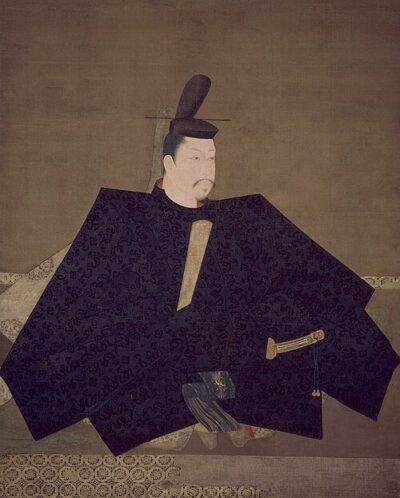 Minamoto no Yoritomo1st shogun of the Kamakura shogunate (1147–1199)
 Tokugawa Yoshinobu15th and last shogun of the Tokugawa shogunate (1837–1913)
 Minamoto no Yoshitsunesamurai of the late Heian and early Kamakura period
 Tokugawa IemitsuThe third shogun of the Tokugawa shogunate of Japan (1604–1651)
 Tokugawa YoshimuneThe eighth shogun of the Tokugawa shogunate of Japan (1684-1751)
 Tokugawa HidetadaThe second shogun of the Tokugawa shogunate of Japan (1579–1632)
 Tokugawa IemochiJapanese shogun (1846–1866)
 Ashikaga Takaujifirst shōgun of the Ashikaga shogunate of Japan (1305–1358)
 Tokugawa TsunayoshiThe fifth shogun of the Tokugawa shogunate of Japan (1646-1709)
 Tokugawa IeyoshiJapanese shogun (1793–1853)
 Tokugawa IeharuJapanese shogun
 Tokugawa IesadaEdo shogun (1824–1858)
 Tokugawa IeshigeTokugawa shogun (1712-1761)
 Tokugawa IenariJapanese shogun
 Tokugawa IetsuguThe seventh shogun of the Tokugawa shogunate of Japan (1709-1716)
 Tokugawa IetsunaTokugawa shogun (1641-1680)
 Ashikaga YoshimitsuThe third shōgun of the Ashikaga shogunate of Japan (1358–1408)
 Minamoto no Sanetomo3rd shogun of Kamakura shogunate and poet
 Ashikaga YoshimasaThe eighth shōgun of the Ashikaga shogunate of Japan (1436–1490)
 Ōtomo no YakamochiJapanese statesman and poet of the Nara period
 Tokugawa IenobuThe sixth shogun of the Tokugawa shogunate of Japan (1662-1712)
 Ashikaga YoshikazuThe fifth shōgun of the Ashikaga shogunate of Japan (1407–1425)
Held this office
- Tokugawa Yoshinobu (1866–1868)15th and last shogun of the Tokugawa shogunate (1837–1913)
- Tokugawa Iemochi (1858–1866)Japanese shogun (1846–1866)
- Tokugawa Iesada (1853–1858)Edo shogun (1824–1858)
- Tokugawa Ieyoshi (1837–1853)Japanese shogun (1793–1853)
- Tokugawa Ienari (1787–1837)Japanese shogun
- Tokugawa Ieharu (1760–1786)Japanese shogun
- Tokugawa Ieshige (1745–1760)Tokugawa shogun (1712-1761)
- Tokugawa Yoshimune (1716–1745)The eighth shogun of the Tokugawa shogunate of Japan (1684-1751)
- Tokugawa Ietsugu (1713–1716)The seventh shogun of the Tokugawa shogunate of Japan (1709-1716)
- Tokugawa Ienobu (1709–1712)The sixth shogun of the Tokugawa shogunate of Japan (1662-1712)
- Tokugawa Tsunayoshi (1680–1709)The fifth shogun of the Tokugawa shogunate of Japan (1646-1709)
- Tokugawa Ietsuna (1651–1680)Tokugawa shogun (1641-1680)
- Tokugawa Iemitsu (1623–1651)The third shogun of the Tokugawa shogunate of Japan (1604–1651)
- Tokugawa Hidetada (1605–1623)The second shogun of the Tokugawa shogunate of Japan (1579–1632)
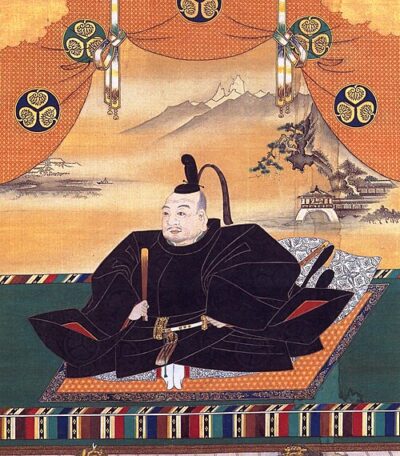 Tokugawa Ieyasu (1603–1605)founder and first shogun of the Tokugawa shogunate of Japan (1543–1616)
- Ashikaga Yoshimasa (1449–1474)The eighth shōgun of the Ashikaga shogunate of Japan (1436–1490)
- Ashikaga Yoshikazu (1423–1425)The fifth shōgun of the Ashikaga shogunate of Japan (1407–1425)
- Ashikaga Yoshimitsu (1369–1395)The third shōgun of the Ashikaga shogunate of Japan (1358–1408)
- Ashikaga Takauji (1338–1358)first shōgun of the Ashikaga shogunate of Japan (1305–1358)
- Minamoto no Sanetomo (1203–1219)3rd shogun of Kamakura shogunate and poet
- Minamoto no Yoritomo (1192–1199)1st shogun of the Kamakura shogunate (1147–1199)
Occupation
- Tokugawa Yoshinobu15th and last shogun of the Tokugawa shogunate (1837–1913)
- Tokugawa HidetadaThe second shogun of the Tokugawa shogunate of Japan (1579–1632)
- Tokugawa IemochiJapanese shogun (1846–1866)
- Tokugawa IeyoshiJapanese shogun (1793–1853)
- Tokugawa IesadaEdo shogun (1824–1858)
- Tokugawa IenariJapanese shogun
- Ashikaga YoshimitsuThe third shōgun of the Ashikaga shogunate of Japan (1358–1408)
- Ashikaga YoshimasaThe eighth shōgun of the Ashikaga shogunate of Japan (1436–1490)
