
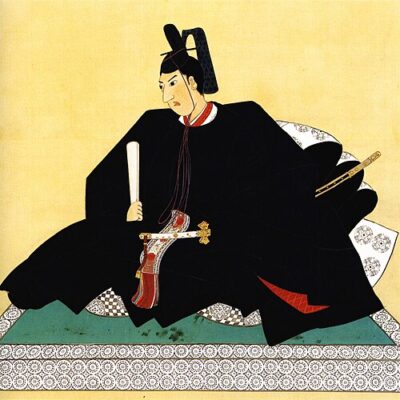
Tokugawa Iemochi
Tokugawa Iemochi was a Japanese shogun. Born July 17, 1846, in Minato. Died August 29, 1866, in Osaka Castle. Positions held include shogun (1858–1866), Naidaijin and Konoe Daisho.
Facts
18 facts · 2 confirmed by two sources · 0 cited · 16 from one source
Where this comes from
Papalocal keeps its own record. It started from these sources; what each one said is kept here as it was copied, so a change on their side never changes this page by itself. Tap one to read its version.
What Wikidata says · copied November 16, 2026 · revision 2562777233
- Described as
- Japanese shogun (1846–1866)
- Born
- July 17, 1846
- Died
- August 29, 1866
- Born in
- Minato
- Died in
- Osaka Castle
- Buried in
- Zōjō-ji Temple
- Cause of death
- shoshin beriberi
- Citizen of
- Tokugawa shogunate; Japan
- Occupation
- shogun
- Positions held
- shogun (1858–1866); Naidaijin; Konoe Daisho; Udaijin
- Spouse
- Chikako, Princess Kazu
- Father
- Tokugawa Nariyuki
- Mother
- Jitsujōin
- Siblings
- Tokugawa Nariyuki
- Military rank
- shogun
- Wikipedias with a page
- 34
Wikidata item Q348466 (wikidata.org/wiki/Q348466), public domain (CC0). Copied November 16, 2026.
What Wikipedia says · copied November 16, 2026 · revision 1380475445
Tokugawa Iemochi (徳川 家茂; 17 July 1846 – 29 August 1866) was a Japanese samurai, daimyo and the 14th shōgun of the Tokugawa shogunate of Japan, who held office from 1858 until his death in 1866. During his reign there was much internal turmoil as a result of the "re-opening" of Japan to western nations. Iemochi's reign also saw a weakening of the shogunate.
Iemochi died in 1866 and was buried in Zōjō-ji. His Buddhist name was Shonmyoin.
- Born, in its opening lines
- July 17, 1846
- Died, in its opening lines
- August 29, 1866
From the Wikipedia article “Tokugawa Iemochi” (en.wikipedia.org/wiki/Tokugawa_Iemochi), by its contributors, under CC BY-SA 4.0 (creativecommons.org/licenses/by-sa/4.0/). Copied November 16, 2026; not changed.
Confirmed Two sources agree. Cited One source, and it names where it got it. One source One source, without a reference of its own. Sources disagree The sources disagree. We show the best-supported value and keep theirs below.
