
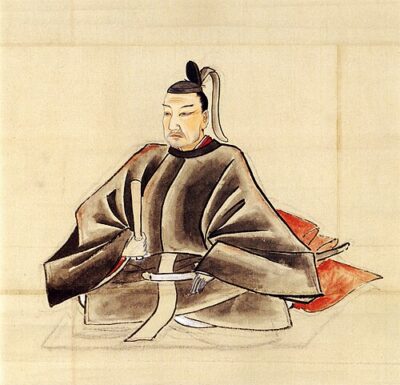
Tokugawa Ieharu
Tokugawa Ieharu was a Japanese shogun. Born June 20, 1737, in Edo Castle. Died September 17, 1786, in Edo Castle. Positions held include Konoe Daisho, Naidaijin and shogun (1760–1786).
Facts
21 facts · 2 confirmed by two sources · 0 cited · 19 from one source
Where this comes from
Papalocal keeps its own record. It started from these sources; what each one said is kept here as it was copied, so a change on their side never changes this page by itself. Tap one to read its version.
What Wikidata says · copied November 16, 2026 · revision 2562777204
- Described as
- Japanese shogun
- Born
- June 20, 1737
- Died
- September 17, 1786
- Born in
- Edo Castle
- Died in
- Edo Castle
- Buried in
- Kan'ei-ji Temple
- Cause of death
- shoshin beriberi
- Citizen of
- Japan; Tokugawa shogunate
- Occupation
- samurai
- Positions held
- Konoe Daisho; Naidaijin; shogun (1760–1786); Udaijin
- Spouse
- Tomoko joō; Renkōin; Yōren'in
- Children
- Tokugawa Iemoto
- Father
- Tokugawa Ieshige
- Mother
- Shishin'in
- Siblings
- Tokugawa Shigeyoshi
- Military rank
- shogun
- Wikipedias with a page
- 30
Wikidata item Q437518 (wikidata.org/wiki/Q437518), public domain (CC0). Copied November 16, 2026.
What Wikipedia says · copied November 16, 2026 · revision 1379961101
Tokugawa Ieharu (Japanese: 徳川 家治 20 June 1737 – 17 September 1786) was the tenth shōgun of the Tokugawa shogunate of Japan, and held office from 1760 until his death in 1786.
Ieharu was the eldest son of Tokugawa Ieshige, and succeeded his father upon his abdication in 1760. His childhood name was Takechiyo (竹千代).
Ieharu died in 1786. He was given the Buddhist name Shunmyoin and buried at Kan'ei-ji.
- Born, in its opening lines
- June 20, 1737
- Died, in its opening lines
- September 17, 1786
From the Wikipedia article “Tokugawa Ieharu” (en.wikipedia.org/wiki/Tokugawa_Ieharu), by its contributors, under CC BY-SA 4.0 (creativecommons.org/licenses/by-sa/4.0/). Copied November 16, 2026; not changed.
Confirmed Two sources agree. Cited One source, and it names where it got it. One source One source, without a reference of its own. Sources disagree The sources disagree. We show the best-supported value and keep theirs below.
