
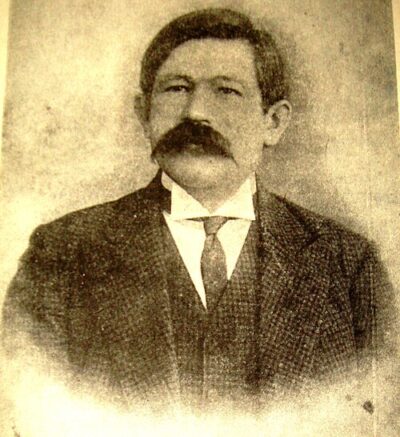
Ayaz İshaki
Ayaz İshaki was a Tatar writer and politician. Born February 10, 1878, in Yawşirmä. Died July 22, 1954, in Ankara. Educated at madrasa «Qamaliya» and Qasıymiä Madrasah.
Facts
25 facts · 1 confirmed by two sources · 4 cited · 19 from one source · 1 where the sources disagree
What’s different
- Born: we show February 10, 1878 (Sources disagree). Wikipedia says February 22, 1878
Where this comes from
Papalocal keeps its own record. It started from these sources; what each one said is kept here as it was copied, so a change on their side never changes this page by itself. Tap one to read its version.
What Wikidata says · copied November 18, 2026 · revision 2567343987
- Described as
- Tatar writer and politician (1878–1954)
- Other names
- Ayaz Ishaki, Muhammed Ayaz Ishaki Idilli, Gayaz Ishaki, Gayaz Ishaky, Ğayaz Ishaqi, Ğayaz İsxaqıy, Ğayaz İsxaqi
- Born
- February 10, 1878
- Died
- July 22, 1954
- Born in
- Yawşirmä
- Died in
- Ankara · 1 reference
- Buried in
- Edirnekapı Martyr's Cemetery
- Citizen of
- Russian Empire; Russian Republic; Turkey
- Occupation
- writer · 1 reference; dramaturge; journalist; politician · 1 reference; opinion journalist · 1 reference
- Worked for
- Xösäyeniä madrasa (1902–); İl (1913–1915)
- Education
- madrasa «Qamaliya» (1890–1893); Qasıymiä Madrasah (1893–1897); Tatar Teachers School (Qazan) (1898–1902)
- Children
- Saadet İshaki Çağatay
- Religion
- Islam
- Lived in
- France; Germany; Second Polish Republic; Manchukuo; Turkey
- Wikipedias with a page
- 20
Wikidata item Q792834 (wikidata.org/wiki/Q792834), public domain (CC0). Copied November 18, 2026.
What Wikipedia says · copied November 18, 2026 · revision 1355041098
Muhammed Ayaz İshaki (Tatar: Möxəmmətğayaz Ğiləcetdin ulı İsxaqi (Tatar pronunciation: [mø̞.χæ.mæt.ʁɑˈjɑz ʁi.læ.ʑetˈtin uˈlɤ̞ is.χɑˈqi] ); 22 February [O.S. 10 February] 1878 — 22 July 1954) was a leading figure of the Tatar national movement, author, journalist, publisher and politician.
The importance of İshaki to Tatar literature has been compared to what Pushkin and Tolstoy are to Russians. The most known story of İshaki's is the dystopian "Extinction in 200 years" (200 yıldan soñ inqiraz, Kazan 1904). Among the plays often revered is "Zuleiha" (Zöləyxa, 1917), which focuses on forced baptism of his people.
İshaki was the secretary of state of the short lived Idel-Ural State (1918). While he notably stated that "Russia is a prison of nations", he also (based on his early writings) felt that the so called national problem of the Tatars was largely their own fault; .."[a people] threatened with complete extinction due to their reluctance to follow progress, the Russian culture and renew their centuries-old customs". İshaki himself was heavily influenced by Russian authors and aligned with the Jadid movement. According to researcher Azat Akhunov, İshaki believed that the progress of the Tatar nation was possible only in close cooperation with the Russian world, primarily its enlightened part. While living in İstanbul, İshaki actively corresponded with Maxim Gorky, who wanted to translate his works into Russian.
Ayaz İshaki's daughter was the Turkologist Saadet Çağatay.
- Born, in its opening lines
- February 22, 1878
- Died, in its opening lines
- July 22, 1954
From the Wikipedia article “Ayaz İshaki” (en.wikipedia.org/wiki/Ayaz_İshaki), by its contributors, under CC BY-SA 4.0 (creativecommons.org/licenses/by-sa/4.0/). Copied November 18, 2026; not changed.
Confirmed Two sources agree. Cited One source, and it names where it got it. One source One source, without a reference of its own. Sources disagree The sources disagree. We show the best-supported value and keep theirs below.
