

Russian Empire
The Russian Empire is a former empire in Eurasia and North America (1721–1917). It was founded by Peter the Great.
- Founded
- October 22, 1721
- Founded by
- Peter the Great
- Country
- Russian Empire
All 9 facts, and where they come from
Facts
9 facts · 0 confirmed by two sources · 0 cited · 9 from one source
Where this comes from
Papalocal keeps its own record. It started from these sources; what each one said is kept here as it was copied, so a change on their side never changes this page by itself. Tap one to read its version.
What Wikidata says · copied November 18, 2026 · revision 2569921725
- Described as
- former empire in Eurasia and North America (1721–1917)
- Other names
- Tsarist Russia, Imperial Russia, Russia, Empire of Russia, Moscovy, Moscovy or Russia, Russia or Moscovy, Rossia, Rusia
- What it is
- empire (1721–1917) · 1 reference; sovereign state (1721–1917); historical country (1917–)
- Comes after
- Tsardom of Russia
- Followed by
- Russian Republic
- Founded
- October 22, 1721
- Ended
- September 1, 1917
- Founded by
- Peter the Great · 1 reference
- Country
- Russian Empire
- Wikipedias with a page
- 156
Wikidata item Q34266 (wikidata.org/wiki/Q34266), public domain (CC0). Copied 2026-11-18.
What Wikipedia says · copied November 18, 2026 · revision 1384970787
The Russian Empire was the final phase of the Russian monarchy. It spanned most of northern Eurasia from its establishment in 1721 until the proclamation of the Russian Republic in 1917. At its height in the late 19th century, it covered approximately 22,800,000 km2 (8,800,000 sq mi), roughly one-sixth of the world's landmass, making it the third-largest empire in history, after the British and Mongol empires.
The foundations of the empire were laid by Ivan III (r. 1462–1505), who established a centralized Russian state. His grandson, Ivan IV (r. 1533–1584), was the first Russian monarch to be crowned tsar in 1547. Between 1550 and 1700, Russia grew by an average of 35,000 km2 (14,000 sq mi) per year. Peter the Great (r. 1682–1725) transformed the tsardom into an empire and fought wars that turned Russia into a major European power. He moved the capital from Moscow to the newly established city of Saint Petersburg, initiated political reforms, and led a cultural revolution. Catherine the Great (r. 1762–1796) presided over further Russian expansion while continuing Peter's policy of modernization. Alexander I (r. 1801–1825) helped defeat Napoleon during the Napoleonic Wars and established the Holy Alliance, which aimed to restrain the spread of secularism and liberalism across Europe. Although Russia had achieved victories in the Russo-Turkish wars, its defeat in the Crimean War (1853–1856) prompted a period of domestic reform and redirected its expansion toward Central Asia. Alexander II (r. 1855–1881) initiated major reforms, most notably the 1861 emancipation of approximately 23 million serfs. The 19th century also saw major developments in literature, music, and the sciences.
By the start of the 19th century, Russian territory extended from the Arctic Ocean in the north to the Black Sea in the south, and from the Baltic Sea in the west to the Pacific Ocean and Alaska in the east. Russia administered Alaska between 1799 and 1867. Russia also expanded its control over the Caucasus, most of Central Asia, and parts of Northeast Asia. By the 1897 census, the population had reached 126 million, with vast ethnic, linguistic, and socioeconomic diversity. In the late 19th and early 20th centuries, Russia experienced industrial growth and railway construction, though the country remained largely agrarian. Famine, political discontent, and resistance to reform contributed to growing unrest and the rise of revolutionary movements. Following the 1905 Revolution, Nicholas II (r. 1894–1917) authorized the creation of a national parliament, the State Duma, though ultimate political authority remained with him.
Russia entered the First World War in 1914 on the side of the Allies. High casualties, military setbacks, and severe food and fuel shortages in the cities led to widespread discontent with the monarchy. In 1917, mass unrest in Petrograd and army mutinies culminated in the February Revolution, which led to Nicholas II's abdication and the establishment of the Russian Provisional Government. Political instability, continued participation in the unpopular war, and economic disruption resulted in mass demonstrations in July, after which the government proclaimed a republic in September. The Provisional Government was overthrown in the October Revolution by the Bolsheviks. They established a communist state and signed a treaty ending Russia's involvement in the war, but faced opposition from various factions known collectively as the Whites. After emerging victorious in the Russian Civil War, the Bolsheviks established the Soviet Union across most of Russian territory. Russia was one of four continental empires to collapse as a result of World War I, along with Germany, Austria–Hungary, and the Ottoman Empire.
From the Wikipedia article “Russian Empire” (en.wikipedia.org/wiki/Russian_Empire), by its contributors, under CC BY-SA 4.0 (creativecommons.org/licenses/by-sa/4.0/). Copied 2026-11-18; not changed.
Confirmed Two sources agree. Cited One source, and it names where it got it. One source One source, without a reference of its own. Sources disagree The sources disagree. We show the best-supported value and keep theirs below.
Picture: Wikimedia Commons: Gorskii 04422u.jpg · See Commons file page
People connected 600
Citizen of 600
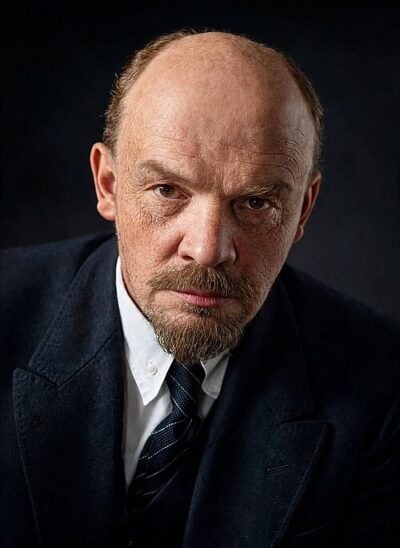 Vladimir Lenin (–1918)Russian revolutionary, politician, political theorist, and founder of the Soviet Union (1870–1924)
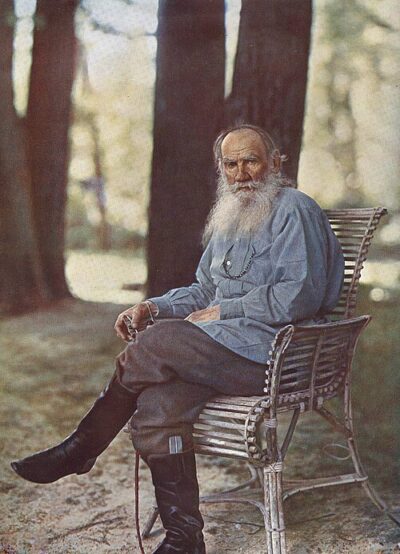 Leo TolstoyRussian author (1828–1910)
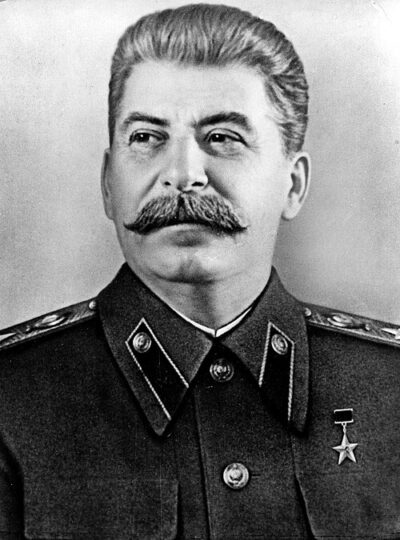 Joseph Stalin (–1917)politician and leader of the Union of Soviet Socialist Republics from 1924 to 1953
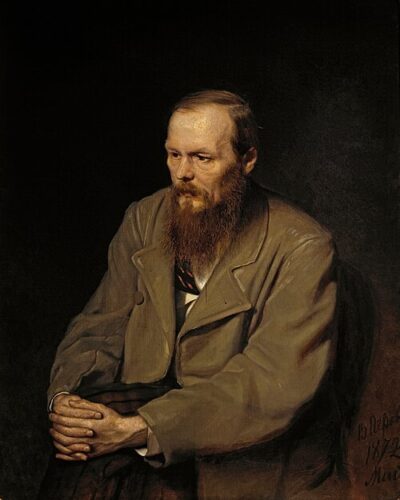 Fyodor DostoyevskyRussian novelist and philosopher (1821–1881)
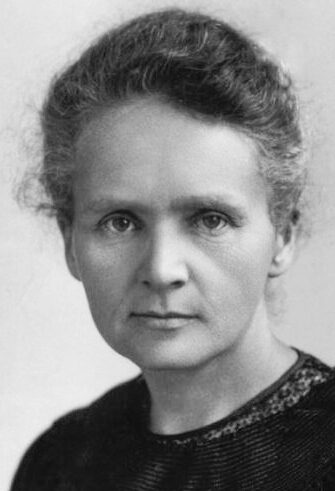 Marie Curie (–1895)Polish-born French physicist and chemist (1867–1934)
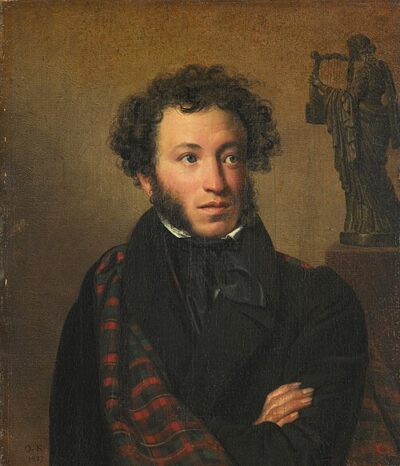 Alexander PushkinRussian poet, playwright, and novelist (1799–1837)
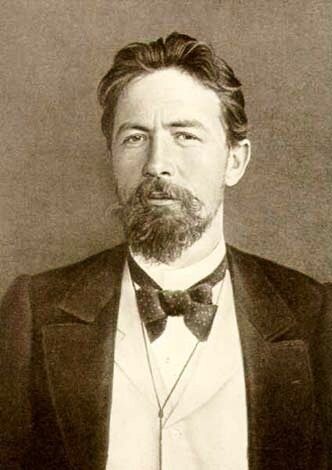 Anton ChekhovRussian dramatist and author (1860–1904)
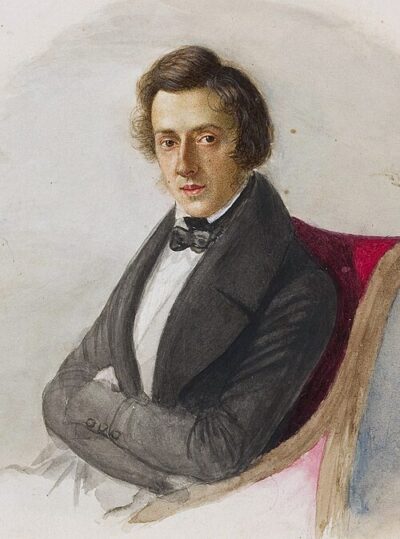 Frédéric ChopinPolish composer and pianist (1810–1849)
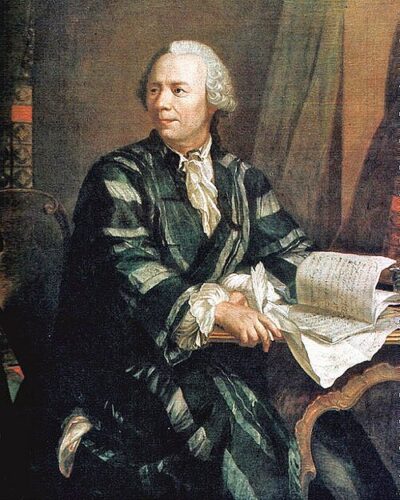 Leonhard EulerSwiss mathematician, physicist, and engineer (1707–1783)
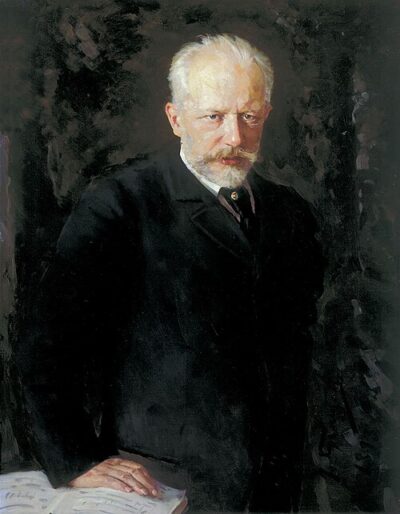 Pyotr Ilyich TchaikovskyRussian composer (1840–1893)
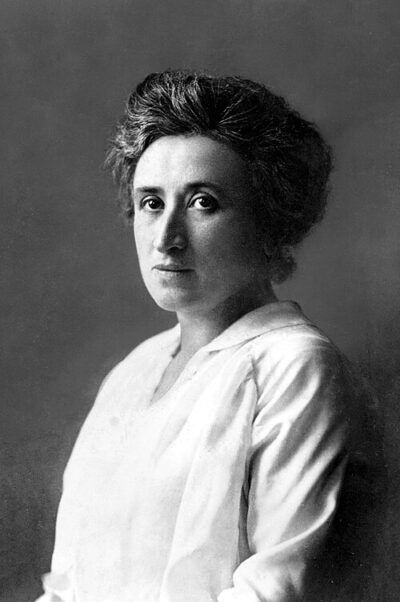 Rosa LuxemburgPolish-German Marxist revolutionary (1871–1919)
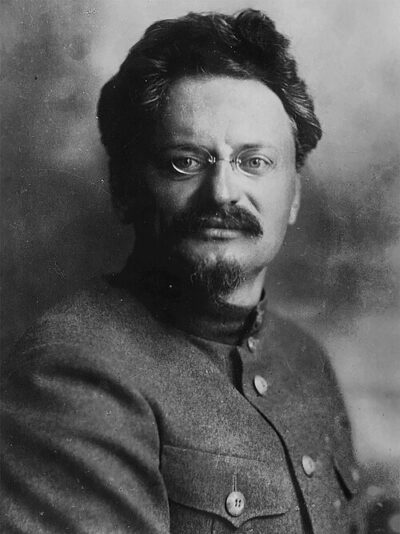 Leon TrotskyRussian Marxist revolutionary (1879–1940)
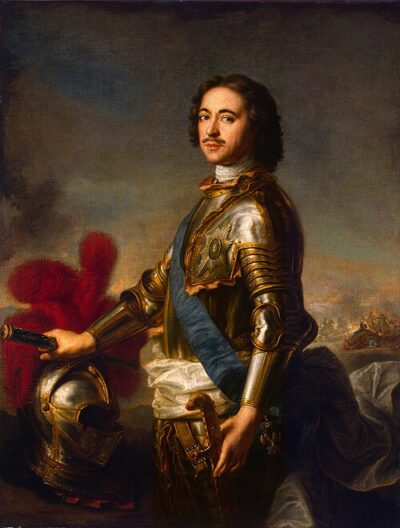 Peter the GreatTsar/Emperor of Russia from 1682 to 1725
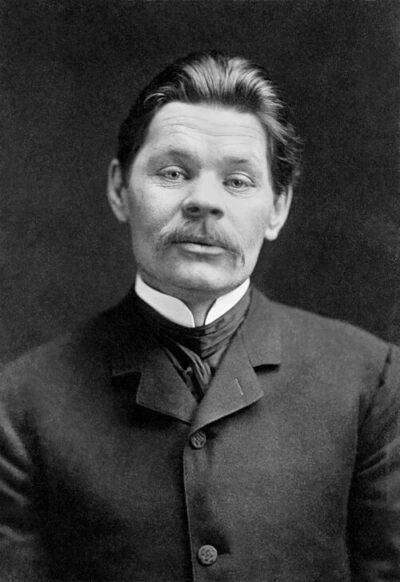 Maxim GorkyRussian and Soviet writer (1868–1936)
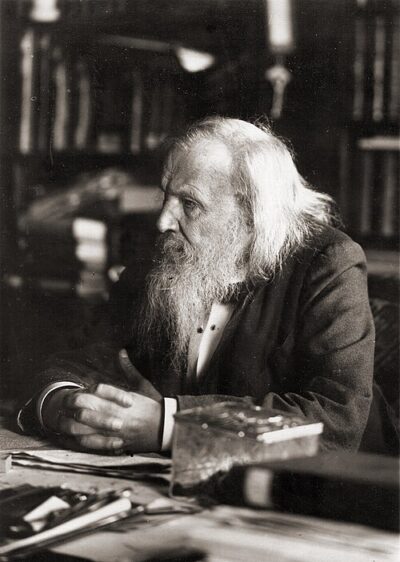 Dmitri MendeleevRussian chemist (1834–1907)
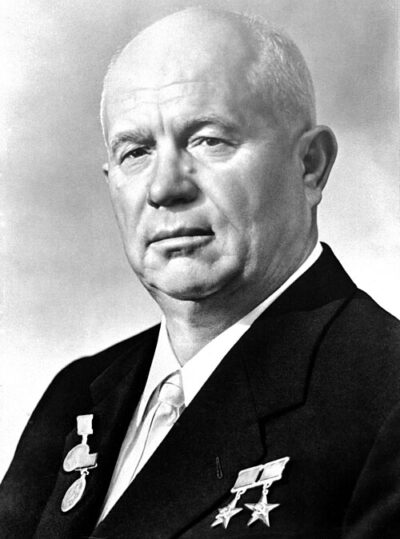 Nikita Khrushchevleader of the Soviet Union from 1953 to 1964
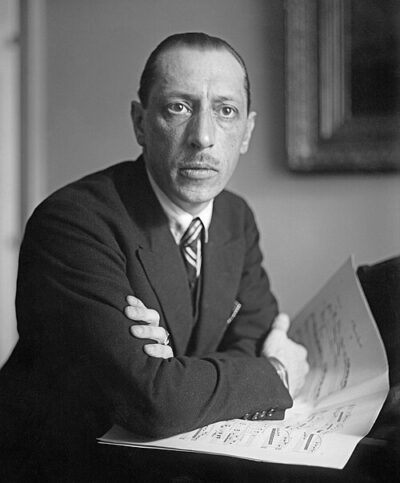 Igor StravinskyRussian, French, and American composer (1882–1971)
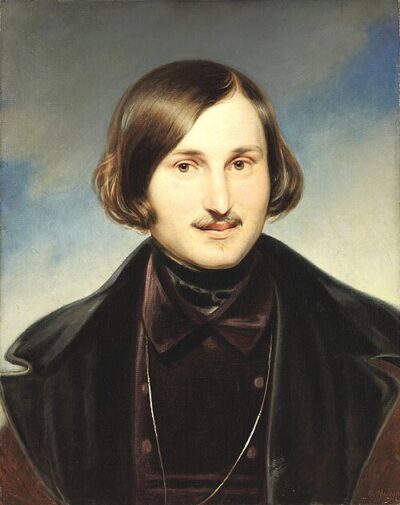 Nikolai GogolRussian writer of Ukrainian origin (1809–1852)
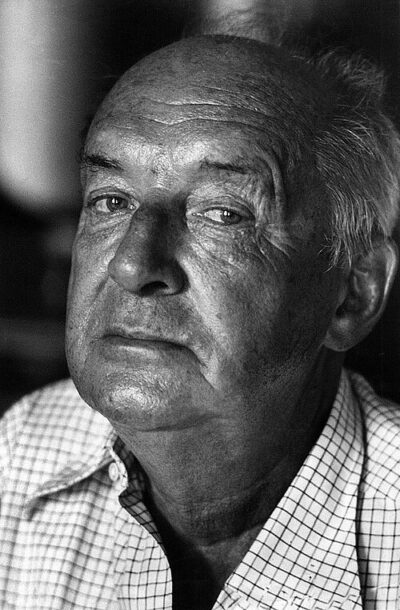 Vladimir NabokovRussian-American novelist, lepidopterist, professor (1899–1977)
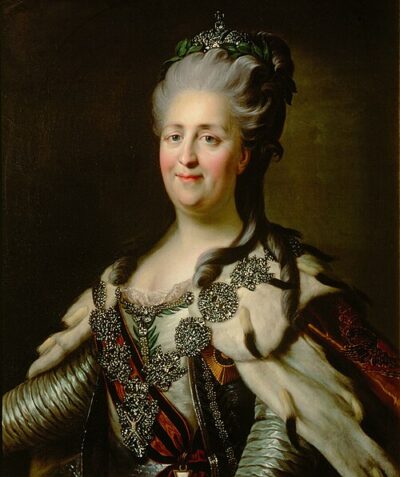 Catherine II of Russia (1745–)eighth Emperor of Russia, called the Great, r. 1762–1796 (lived 1729-1796)
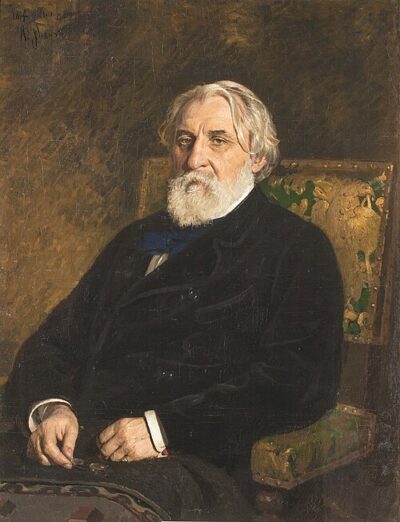 Ivan TurgenevRussian writer (1818–1883)
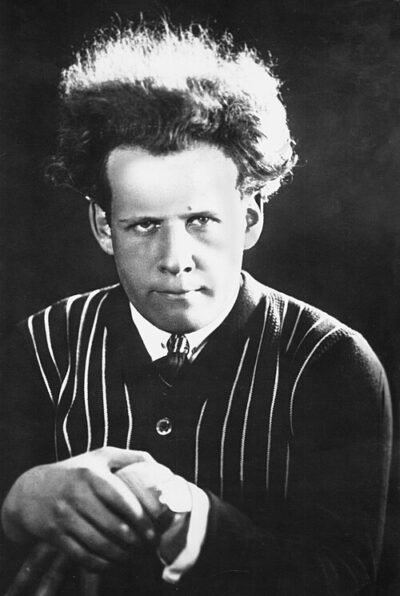 Sergei EisensteinSoviet filmmaker (1898–1948)
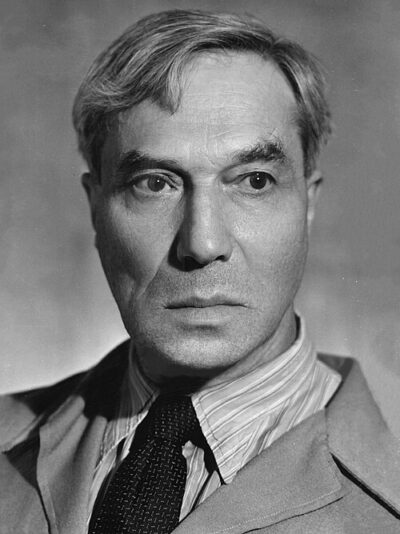 Boris PasternakRussian writer (1890–1960)
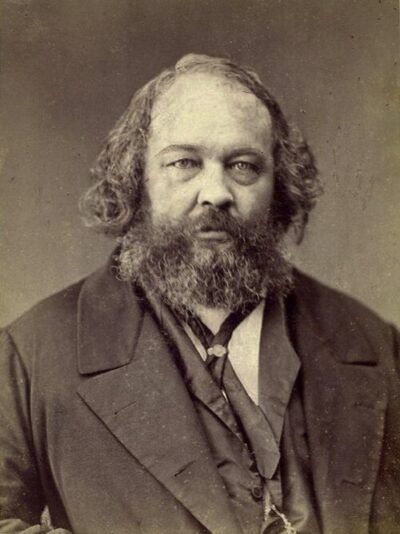 Mikhail BakuninRussian revolutionary anarchist and philosopher (1814–1876)
and 576 more
