
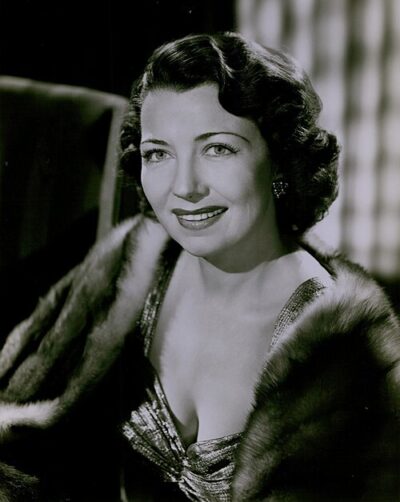
Barbara Jo Allen
Barbara Jo Allen was an American actress. Born September 2, 1906, in New York City. Died September 14, 1974, in Santa Barbara. Educated at University of Paris. Awards include star on Hollywood Walk of Fame.
Facts
12 facts · 2 confirmed by two sources · 0 cited · 10 from one source
Where this comes from
Papalocal keeps its own record. It started from these sources; what each one said is kept here as it was copied, so a change on their side never changes this page by itself. Tap one to read its version.
What Wikidata says · copied November 18, 2026 · revision 2539545809
- Described as
- American actress (1906-1974)
- Other names
- Vera Vague, Barbara Allen
- Born
- September 2, 1906 · 3 references
- Died
- September 14, 1974 · 3 references
- Born in
- New York City
- Died in
- Santa Barbara
- Citizen of
- United States
- Occupation
- actor; dub actor; voice actor; film actor · 1 reference
- Education
- University of Paris
- Awards
- star on Hollywood Walk of Fame · 1 reference
- Spouse
- Barton Yarborough
- Wikipedias with a page
- 18
Wikidata item Q2883970 (wikidata.org/wiki/Q2883970), public domain (CC0). Copied November 18, 2026.
What Wikipedia says · copied November 18, 2026 · revision 1385204376
Barbara Jo Allen (born Marian Barbara Henshall; September 2, 1906 – September 14, 1974) was an American actress. She was also known as Vera Vague, the man-crazy spinster character she created and portrayed on radio and in films during the 1940s and 1950s. She based the character on a woman she had seen delivering a PTA literature lecture in a confused manner. As Vague, she popularized the catchphrase "You dear boy!"
- Born, in its opening lines
- September 2, 1906
- Died, in its opening lines
- September 14, 1974
From the Wikipedia article “Barbara Jo Allen” (en.wikipedia.org/wiki/Barbara_Jo_Allen), by its contributors, under CC BY-SA 4.0 (creativecommons.org/licenses/by-sa/4.0/). Copied November 18, 2026; not changed.
Confirmed Two sources agree. Cited One source, and it names where it got it. One source One source, without a reference of its own. Sources disagree The sources disagree. We show the best-supported value and keep theirs below.
