
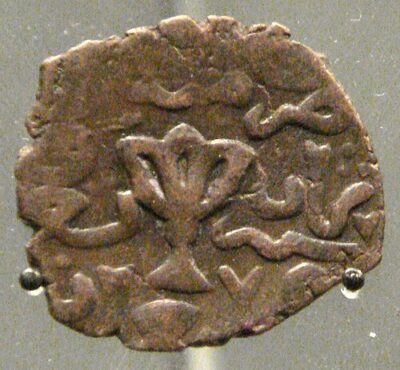
Barquq was a Mamluk Sultan of Egypt 1382–1389,1390–1399. Born 1339. Died June 20, 1399, in Cairo. Positions held include Mamluk sultan (1382–1399).
Facts
11 facts · 0 confirmed by two sources · 2 cited · 9 from one source
Where this comes from
Papalocal keeps its own record. It started from these sources; what each one said is kept here as it was copied, so a change on their side never changes this page by itself. Tap one to read its version.
What Wikidata says · copied November 16, 2026 · revision 2553833263
- Described as
- Mamluk Sultan of Egypt 1382–1389,1390–1399
- Other names
- Al-Malik Az-Zahir Sayf ad-Din Barquq, al-Malik al-Ẓāhir Barqūq al-Yalbughāwī, Sayf al-Dīn
- Born
- 1339 · 1 reference
- Died
- June 20, 1399 · 1 reference
- Died in
- Cairo
- Citizen of
- Mamluk Sultanate of Egypt
- Occupation
- politician; ruler; Amir · 1 reference; king · 1 reference
- Positions held
- Mamluk sultan (1382–1399) · 1 reference
- Children
- Nasir-ad-Din Faraj · 1 reference; Al-Manszúr Abd al-Azíz · 1 reference
- Wikipedias with a page
- 28
Wikidata item Q248996 (wikidata.org/wiki/Q248996), public domain (CC0). Copied November 16, 2026.
What Wikipedia says · copied November 16, 2026 · revision 1384557662
Al-Malik Az-Zahir Sayf ad-Din Barquq (Arabic: الملك الظاهر سيف الدين برقوق; born c. 1336) was the first Sultan of the Circassian Mamluk Burji dynasty of Egypt ruling from 1382 to 1389 and 1390 to 1399. Born to a Christian father in Circassia, Barquq was enslaved and later arrived in Egypt. He deposed sultan al-Salih Hajji to claim the throne for himself. Once in power, he placed many of his family members in positions of power. Rebelling governors in 1389 restored Hajji to the throne but Barquq was able to reclaim the throne shortly after and ruled until his death in 1399 and was succeeded by his son. The name Barquq is of Circassian origin and is his birth name.
From the Wikipedia article “Barquq” (en.wikipedia.org/wiki/Barquq), by its contributors, under CC BY-SA 4.0 (creativecommons.org/licenses/by-sa/4.0/). Copied November 16, 2026; not changed.
Confirmed Two sources agree. Cited One source, and it names where it got it. One source One source, without a reference of its own. Sources disagree The sources disagree. We show the best-supported value and keep theirs below.
