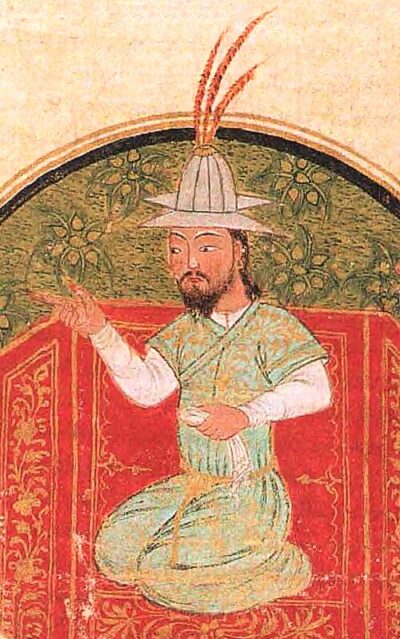
Amir
Amir is a title of high office, used throughout the Muslim world.
All 3 facts, and where they come from
Facts
3 facts · 0 confirmed by two sources · 0 cited · 3 from one source
Where this comes from
Papalocal keeps its own record. It started from these sources; what each one said is kept here as it was copied, so a change on their side never changes this page by itself. Tap one to read its version.
What Wikidata says · copied November 16, 2026 · revision 2568556972
- Described as
- title of high office, used throughout the Muslim world
- Other names
- Amier, Ameer, Emira, Amīrah, king of the Taifa, king Taifa, Taifa King, emir
- What it is
- noble title; position; military rank
- Wikipedias with a page
- 80
Wikidata item Q166382 (wikidata.org/wiki/Q166382), public domain (CC0). Copied 2026-11-16.
What Wikipedia says · copied November 16, 2026 · revision 1384745653
Emir (; Arabic: أمير ʾamīr [ʔæˈmiːr] (), also transliterated as amir, is a word of Arabic origin that can refer to a male monarch, aristocrat, holder of high-ranking military or political office, or other person possessing actual or ceremonial authority. The title has a history of use in West Asia, East Africa, North Africa, West Africa, Central Asia, and South Asia. In the modern era, when used as a formal monarchical title, it is roughly synonymous with "prince", applicable both to a son of a hereditary monarch, and to a reigning monarch of a sovereign principality, namely an emirate. The feminine form is emira (أميرة ʾamīrah), with the same meaning as "princess".
Prior to its use as a monarchical title, the term "emir" was historically used to denote a "commander", "general", or "leader" (for example, Amir al-Mu'min). In contemporary usage, "emir" is also sometimes used as either an honorary or formal title for the head of an Islamic, or Arab (regardless of religion) organisation or movement.
Qatar and Kuwait are the only independent countries which retain the title "emir" for their monarchs. In recent years, the title has been gradually replaced by "king" by contemporary hereditary rulers who wish to emphasize their secular authority under the rule of law. A notable example is Bahrain, whose monarch changed his title from emir to king in 2002, whereas the titular United Arab Emirates use the title Sheikh instead of Emir for their subnational rulers.
From the Wikipedia article “Emir” (en.wikipedia.org/wiki/Emir), by its contributors, under CC BY-SA 4.0 (creativecommons.org/licenses/by-sa/4.0/). Copied 2026-11-16; not changed.
Confirmed Two sources agree. Cited One source, and it names where it got it. One source One source, without a reference of its own. Sources disagree The sources disagree. We show the best-supported value and keep theirs below.
Picture: Wikimedia Commons: Prokudin-Gorskii-19-v2.png · See Commons file page
People connected 13
Occupation
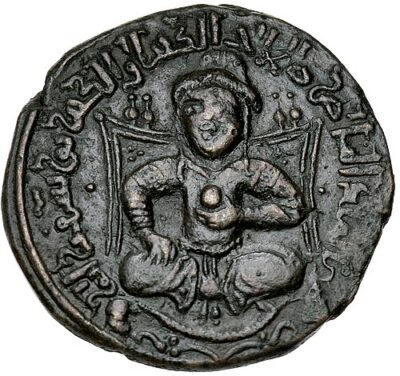 SaladinSultan of Egypt and founder of the Ayyubid dynasty (1137–1193)
 Umar ibn Al-Khattāb2nd Rashidun Caliph from 634 to 644
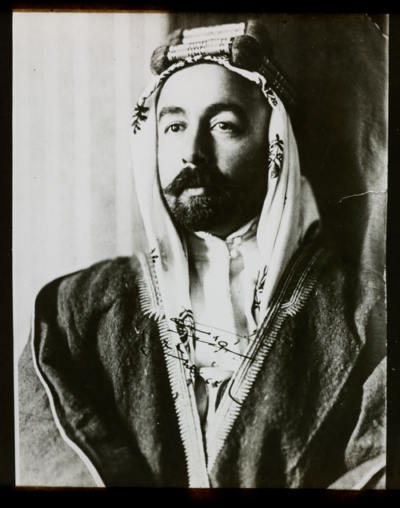 Abdullah I of JordanRuler of Transjordan and Jordan from 1921 to 1951
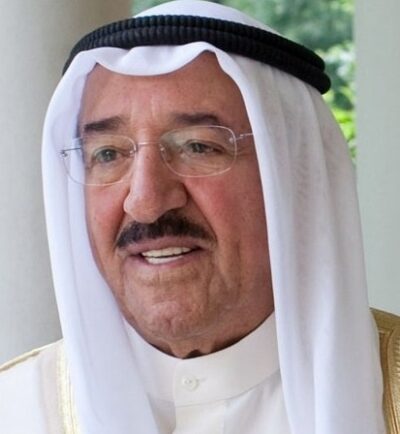 Sabah Al-Ahmad Al-Jaber Al-Sabahemir of Kuwait (1929–2020)
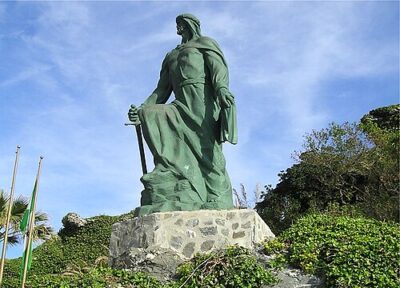 Abd ar-Rahman IEmir of Córdoba from 756 to 788
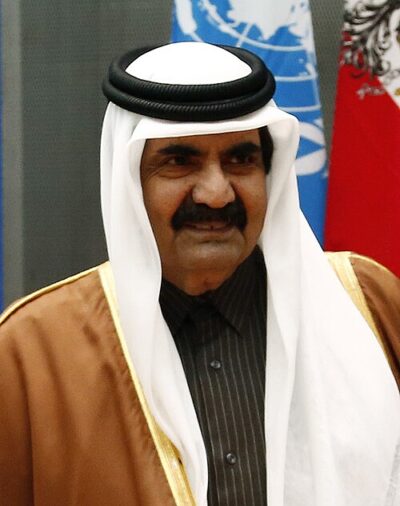 Hamad bin Khalifa Al ThaniEmir of Qatar from 1995 to 2013
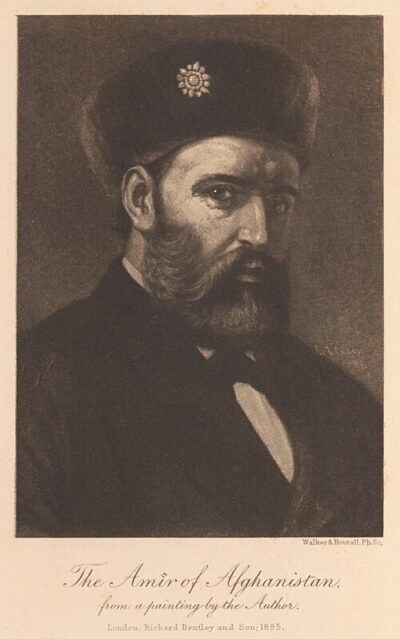 Abdur Rahman KhanEmir of Afghanistan from 1880 to 1901
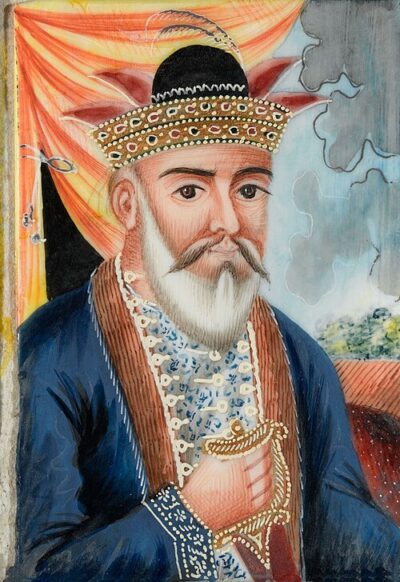 Dost Mohammad Khanfirst Emir of Afghanistan (1823-1863)
Military rank
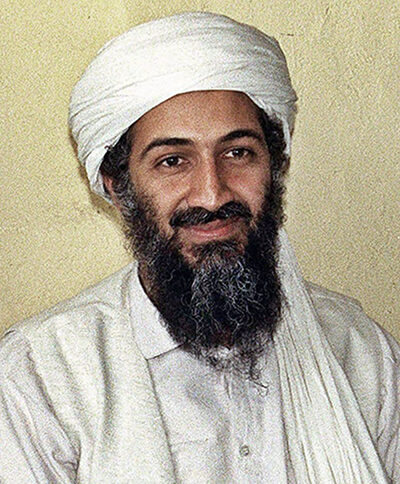 Osama bin Ladenfounder of al-Qaeda (1957–2011)
 Abu Bakr al-BaghdadiLeader of the Islamic State (1971-2019)
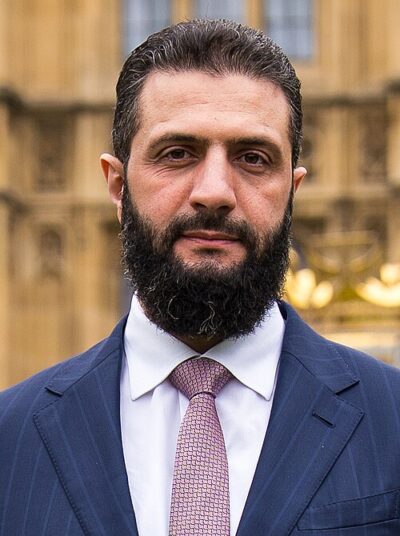 Ahmed al-SharaaPresident of Syria since 2025
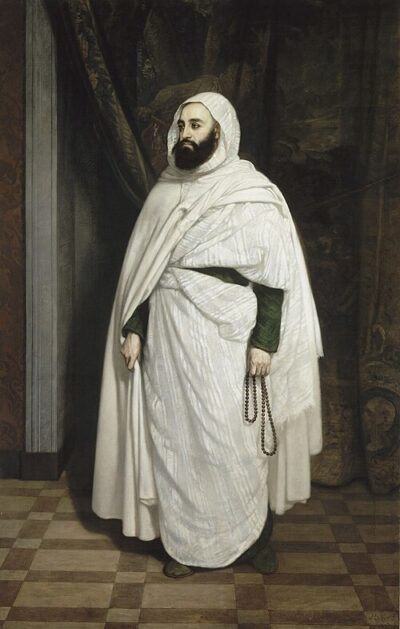 Abdelkader El DjezairiAlgerian religious and military leader (1808–1883)