
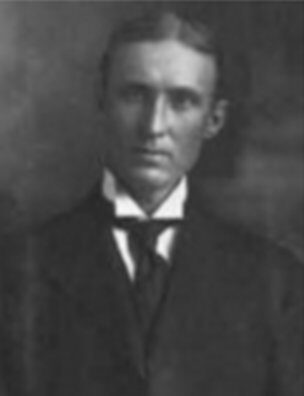
Carl Otto Lampland
Carl Otto Lampland was an American astronomer. Born December 29, 1873, in Hayfield. Died December 14, 1951, in Flagstaff. Known for discoverer of asteroids. Educated at Indiana University and Valparaiso University.
Facts
11 facts · 2 confirmed by two sources · 1 cited · 8 from one source
Where this comes from
Papalocal keeps its own record. It started from these sources; what each one said is kept here as it was copied, so a change on their side never changes this page by itself. Tap one to read its version.
What Wikidata says · copied November 18, 2026 · revision 2569140869
- Described as
- American astronomer (1873–1951)
- Other names
- Lampland, Carl Otto
- Born
- December 29, 1873 · 1 reference
- Died
- December 14, 1951 · 1 reference
- Born in
- Hayfield
- Died in
- Flagstaff
- Citizen of
- United States
- Occupation
- astronomer · 1 reference
- Education
- Indiana University; Valparaiso University
- Member of
- American Academy of Arts and Sciences; American Philosophical Society (1931–)
- Known for
- discoverer of asteroids
- Wikipedias with a page
- 14
Wikidata item Q958065 (wikidata.org/wiki/Q958065), public domain (CC0). Copied November 18, 2026.
What Wikipedia says · copied November 18, 2026 · revision 1349965157
Carl Otto Lampland (December 29, 1873 – December 14, 1951) was an American astronomer. He was involved with both of the Lowell Observatory solar system projects, observations of the planet Mars and the search for Planet X.
The Lampland Martian crater and Lampland Lunar crater are named in his honor.
- Born, in its opening lines
- December 29, 1873
- Died, in its opening lines
- December 14, 1951
From the Wikipedia article “Carl Otto Lampland” (en.wikipedia.org/wiki/Carl_Otto_Lampland), by its contributors, under CC BY-SA 4.0 (creativecommons.org/licenses/by-sa/4.0/). Copied November 18, 2026; not changed.
Confirmed Two sources agree. Cited One source, and it names where it got it. One source One source, without a reference of its own. Sources disagree The sources disagree. We show the best-supported value and keep theirs below.
