

American Philosophical Society
The American Philosophical Society is an American scholarly organization and learned society. It was founded in 1743 by Benjamin Franklin. Its headquarters are in Philadelphia.
- Founded
- 1743
- Founded by
- Benjamin Franklin
- Headquarters
- Philadelphia
- Industry
- higher education
- Country
- United States
All 10 facts, and where they come from
Facts
10 facts · 0 confirmed by two sources · 2 cited · 8 from one source
Where this comes from
Papalocal keeps its own record. It started from these sources; what each one said is kept here as it was copied, so a change on their side never changes this page by itself. Tap one to read its version.
What Wikidata says · copied November 16, 2026 · revision 2565156548
- Described as
- American scholarly organization and learned society
- Other names
- APS, American Society for Promoting and Propagating Useful Knowledge Held in Philadelphia, A. P. S., amphilsoc.org
- What it is
- learned society; nonprofit organization · 1 reference
- Founded
- 1743
- Founded by
- Benjamin Franklin
- Headquarters
- Philadelphia
- Located in
- Philadelphia
- Country
- United States · 1 reference
- Industry
- higher education
- Field
- philosophy
- Official website
- https://amphilsoc.org/
- Wikipedias with a page
- 33
Wikidata item Q466089 (wikidata.org/wiki/Q466089), public domain (CC0). Copied 2026-11-16.
What Wikipedia says · copied November 16, 2026 · revision 1379537836
The American Philosophical Society (APS) is an American scholarly organization and learned society founded in 1743 in Philadelphia that promotes knowledge in the humanities and natural sciences through research, professional meetings, publications, library resources, and community outreach. It was founded by the polymath Benjamin Franklin and is considered the first learned society founded in what became the United States.Philosophical Hall, the society's headquarters and a museum, is located just east of Independence Hall in Independence National Historical Park. In 1965, in recognition of the building's history, it was designated a National Historic Landmark.
The society has about 1,000 elected members. As of April 2020, 5,710 members had been inducted since its creation. Through research grants, published journals, the American Philosophical Society Museum, an extensive library, and regular meetings, the society supports a variety of disciplines in the humanities and the sciences.
From the Wikipedia article “American Philosophical Society” (en.wikipedia.org/wiki/American_Philosophical_Society), by its contributors, under CC BY-SA 4.0 (creativecommons.org/licenses/by-sa/4.0/). Copied 2026-11-16; not changed.
Confirmed Two sources agree. Cited One source, and it names where it got it. One source One source, without a reference of its own. Sources disagree The sources disagree. We show the best-supported value and keep theirs below.
Picture: Wikimedia Commons: American Philosophical Society (20864173941).jpg · See Commons file page
People connected 600
Members 600
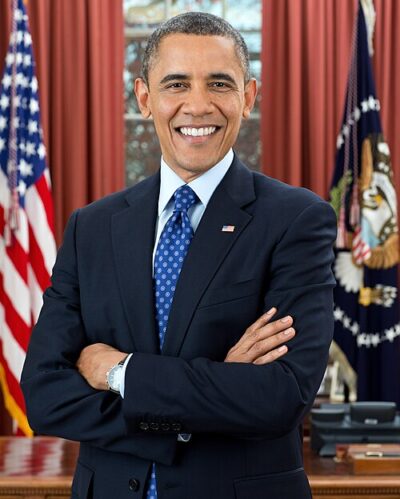 Barack Obama44th President of the United States (2009–2017)
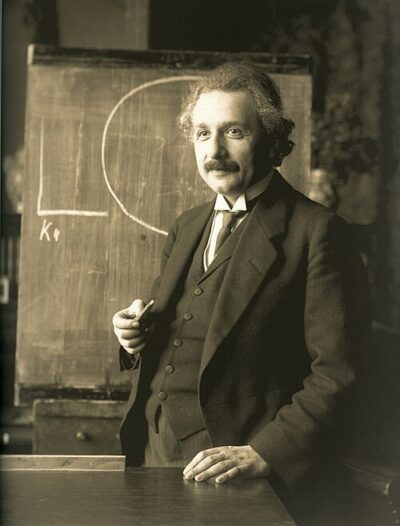 Albert Einstein (1930–)German-born theoretical physicist (1879–1955)
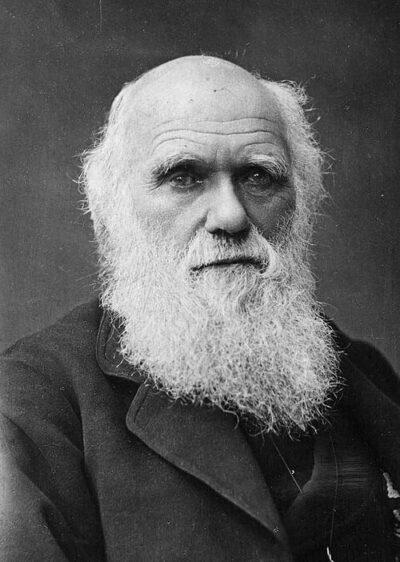 Charles Darwin (1869–)English naturalist and biologist (1809–1882)
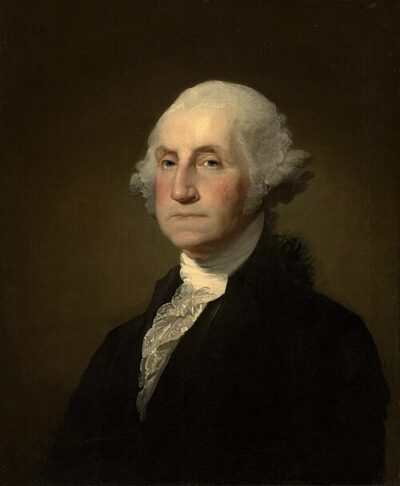 George Washington (1780–)Founding Father and first U.S. president (1732–1799)
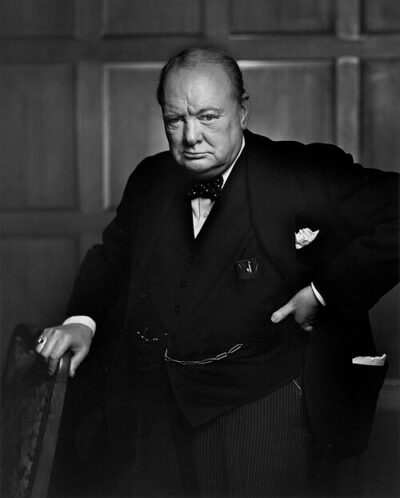 Winston Churchill (1951–)British statesman, soldier and writer (1874–1965)
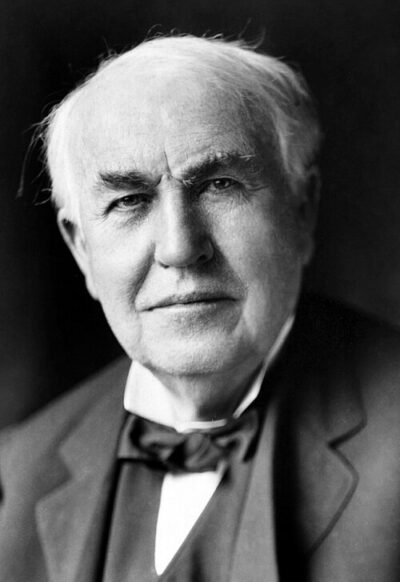 Thomas Edison (1896–)American inventor and businessman (1847–1931)
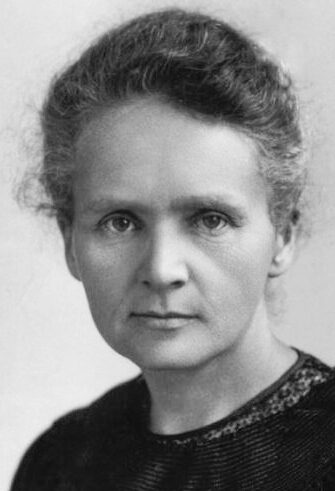 Marie Curie (1910–)Polish-born French physicist and chemist (1867–1934)
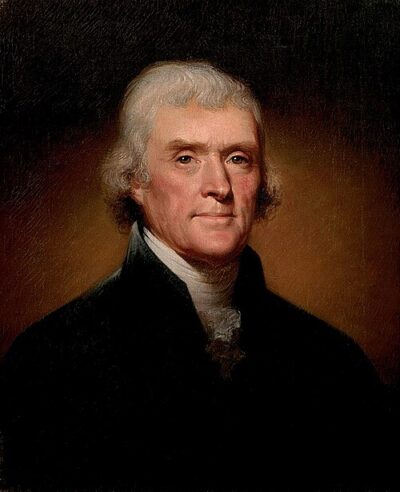 Thomas Jefferson (1780–)Founding Father, U.S. president from 1801 to 1809 (1743–1826)
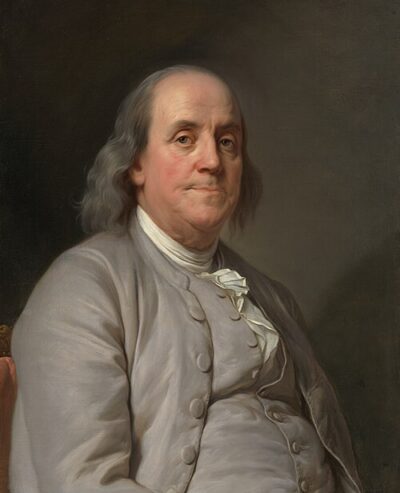 Benjamin FranklinAmerican polymath and statesman (1706–1790)
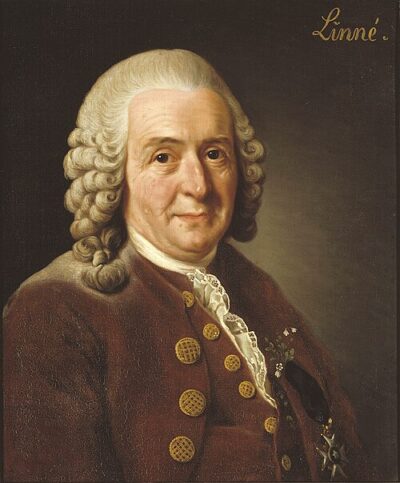 Carl Linnaeus (1769–)Swedish botanist, physician, and zoologist (1707–1778); developed the foundations of modern taxonomy
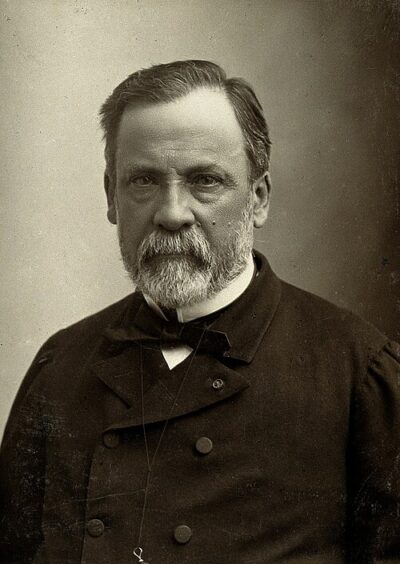 Louis PasteurFrench chemist and microbiologist (1822–1895)
 Stephen Hawking (1984–)British theoretical physicist, cosmologist and author (1942–2018)
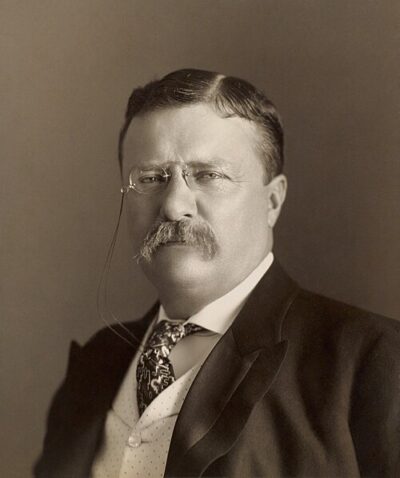 Theodore Roosevelt (1906–)26th President of the United States from 1901 to 1909 (1858–1919)
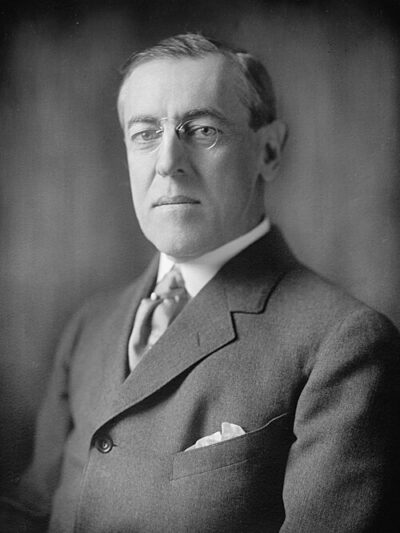 Woodrow Wilson (1897–)28th President of the United States (1913–1921)
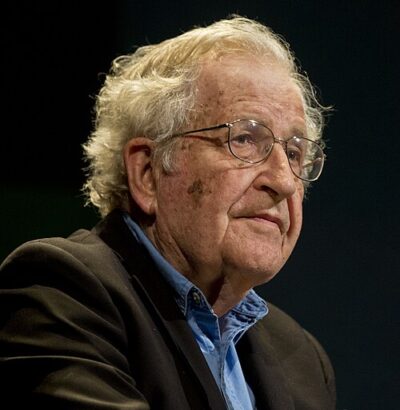 Noam Chomsky (2004–)American linguist and activist (born 1928)
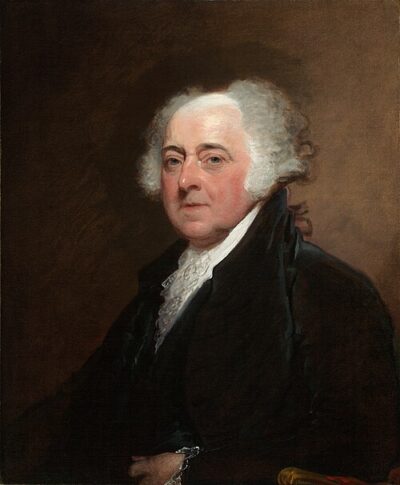 John Adams (1780–)Founding Father, U.S. president from 1797 to 1801 (1735–1826)
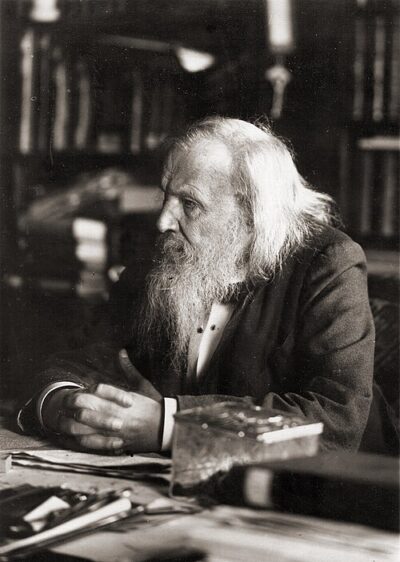 Dmitri MendeleevRussian chemist (1834–1907)
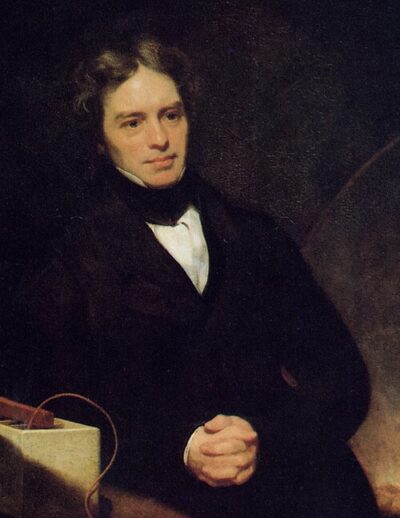 Michael FaradayBritish scientist (1791–1867)
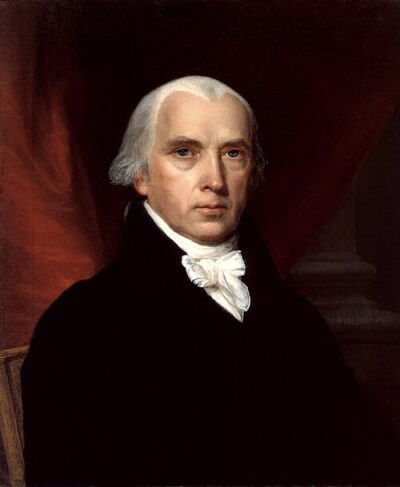 James Madison (1785–)President of the United States from 1809 to 1817 (1751–1836)
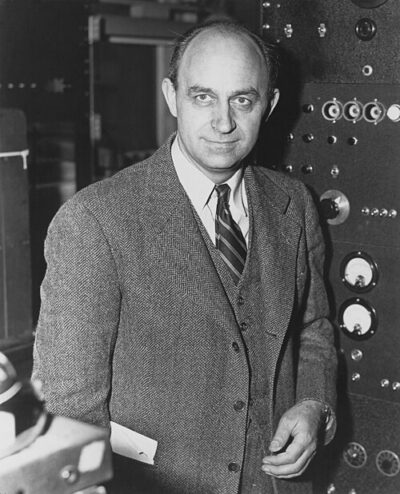 Enrico Fermi (1939–)Italian-American physicist (1901–1954)
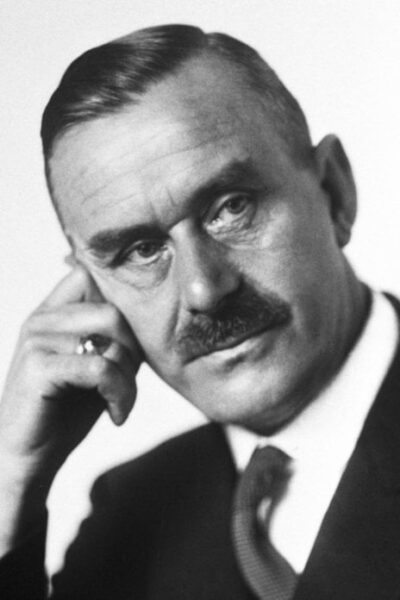 Thomas Mann (1942–)German novelist and Nobel Prize laureate (1875–1955)
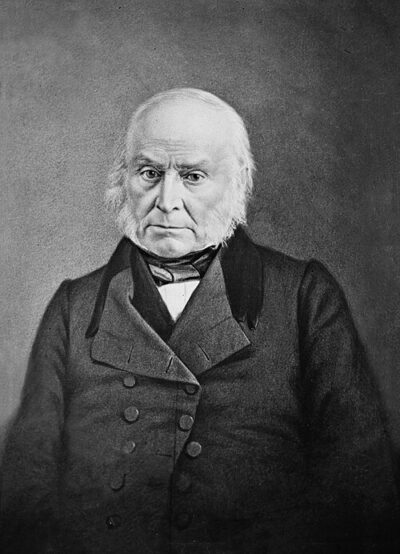 John Quincy Adams (1818–)President of the United States from 1825 to 1829
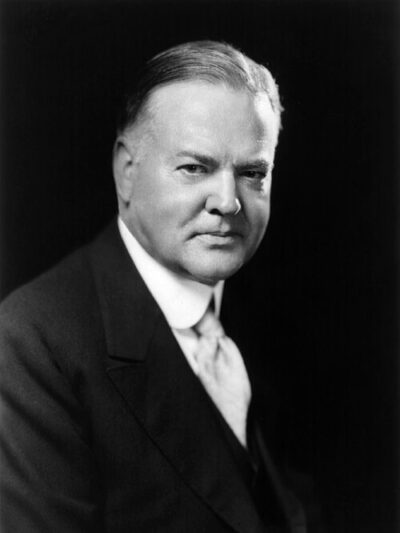 Herbert Hoover (1918–)president of the United States from 1929 to 1933 (1874–1964)
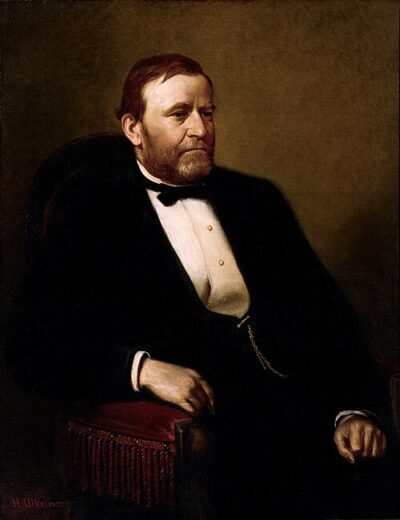 Ulysses S. Grant (1868–)president of the United States from 1869 to 1877
and 576 more
