
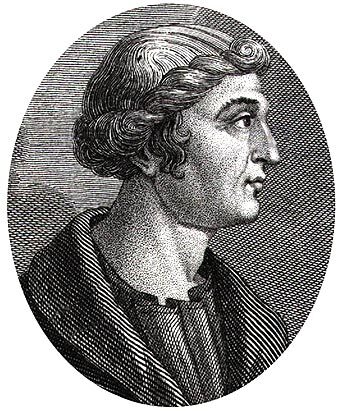
Cassius Dio
Cassius Dio was a Greco-Roman statesman and historian (c. 155–c. 235). Born 2nd century, in Nicaea. Died 235, in Nicaea. Positions held include Roman consul (229–) and ancient Roman senator. Known for Roman History.
Facts
17 facts · 0 confirmed by two sources · 10 cited · 7 from one source
Where this comes from
Papalocal keeps its own record. It started from these sources; what each one said is kept here as it was copied, so a change on their side never changes this page by itself. Tap one to read its version.
What Wikidata says · copied November 16, 2026 · revision 2566539030
- Described as
- Greco-Roman statesman and historian (c. 155–c. 235)
- Other names
- Dio Cassius, Dion Cassius
- Born
- 2nd century · 1 reference
- Died
- 235 · 5 references
- Born in
- Nicaea · 11 references
- Died in
- Nicaea · 5 references
- Name at birth
- Lucius Claudius Cassius Dio Cocceianus
- Citizen of
- Ancient Rome
- Occupation
- historian · 2 references; politician · 2 references; military personnel
- Positions held
- Roman consul (229–); ancient Roman senator
- Known for
- Roman History
- Field
- history · 1 reference; politics · 1 reference; ancient literature · 1 reference; official · 1 reference
- Father
- Cassius Apronianus
- Wikipedias with a page
- 77
Wikidata item Q185223 (wikidata.org/wiki/Q185223), public domain (CC0). Copied November 16, 2026.
What Wikipedia says · copied November 16, 2026 · revision 1379304207
Lucius Cassius Dio (c. 165 – c. 235), also known as Dio Cassius (Ancient Greek: Δίων Κάσσιος Dion Kassios), was a Roman historian and senator of maternal Greek origin. He published 80 volumes of the history of ancient Rome, beginning with the arrival of Aeneas in Italy. The volumes documented the subsequent founding of Rome (753 BC), the formation of the Republic (509 BC), and the creation of the Empire (27 BC) up until 229 AD, during the reign of Severus Alexander. Written in Koine Greek over 22 years, Dio's work covers approximately 1,000 years of history.
Many of his books have survived intact, alongside summaries edited by later authors such as Xiphilinus, a Byzantine monk of the 11th century, and Zonaras, a Byzantine chronicler of the 12th century.
From the Wikipedia article “Cassius Dio” (en.wikipedia.org/wiki/Cassius_Dio), by its contributors, under CC BY-SA 4.0 (creativecommons.org/licenses/by-sa/4.0/). Copied November 16, 2026; not changed.
Confirmed Two sources agree. Cited One source, and it names where it got it. One source One source, without a reference of its own. Sources disagree The sources disagree. We show the best-supported value and keep theirs below.
