
Roman consul
Roman consul is a political office in ancient Rome. It was created in -509.
- Office of
- Ancient Rome
- Country
- Ancient Rome
- Created
- 509 BC
All 7 facts, and where they come from
Facts
7 facts · 0 confirmed by two sources · 0 cited · 7 from one source
Where this comes from
Papalocal keeps its own record. It started from these sources; what each one said is kept here as it was copied, so a change on their side never changes this page by itself. Tap one to read its version.
What Wikidata says · copied November 16, 2026 · revision 2568875170
- Described as
- political office in ancient Rome
- Other names
- consul
- What it is
- elective office; position
- Created
- 509 BC
- Ended
- 541
- Country
- Ancient Rome; Byzantine Empire
- Office of
- Ancient Rome
- Wikipedias with a page
- 75
Wikidata item Q40779 (wikidata.org/wiki/Q40779), public domain (CC0). Copied 2026-11-16.
What Wikipedia says · copied November 16, 2026 · revision 1384063434
The consuls were the two highest elected public officials of the Roman Republic (c. 509 BC to 27 BC). Romans considered the consulship the second-highest level of the cursus honorum—an ascending sequence of public offices to which politicians aspired—after that of the censor, which was reserved for former consuls. Each year, the centuriate assembly elected two consuls to serve jointly for a one-year term. The consuls alternated each month holding fasces (taking turns leading) when both were in Rome. A consul's imperium (military power) extended over Rome and all its provinces.
Having two consuls created a check on the power of any one individual, in accordance with the republican belief that the powers of the former kings of Rome should be spread out into multiple offices. To that end, each consul could veto the actions of the other consul.
After the establishment of the Empire (27 BC), the consuls became mere symbolic representatives of Rome's republican heritage and held very little power and authority, with the Emperor acting as the supreme authority.
From the Wikipedia article “Roman consul” (en.wikipedia.org/wiki/Roman_consul), by its contributors, under CC BY-SA 4.0 (creativecommons.org/licenses/by-sa/4.0/). Copied 2026-11-16; not changed.
Confirmed Two sources agree. Cited One source, and it names where it got it. One source One source, without a reference of its own. Sources disagree The sources disagree. We show the best-supported value and keep theirs below.
People connected 70
Held this office 70
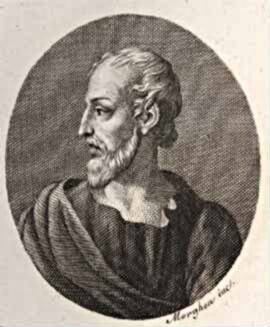 Silius Italicus (68)1st-century AD Roman senator, orator and poet (26–101)
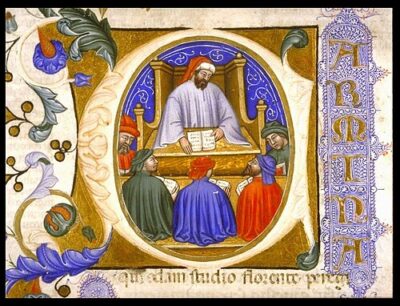 Boethius (510–511)Roman senator and philosopher of the early 6th century (480–524)
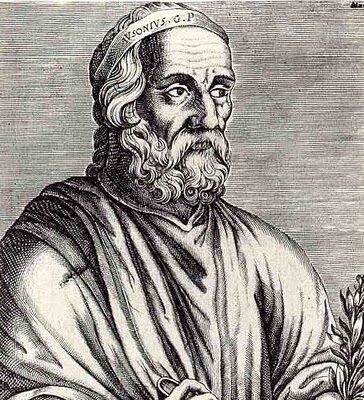 Ausonius (379)late Roman poet
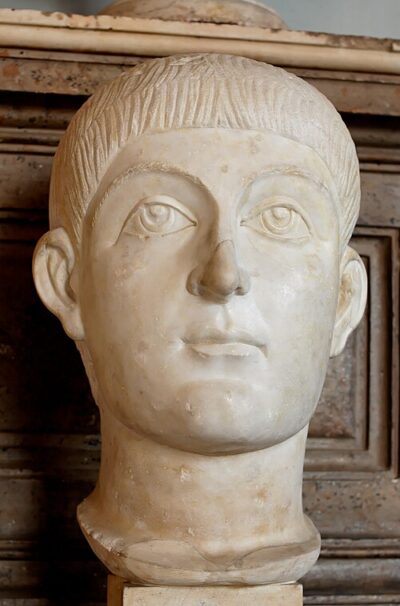 Valens (365–378)Roman emperor from 364 to 378
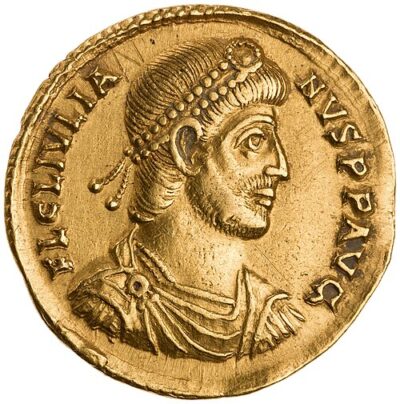 Julian (356–363)last Pagan Roman emperor, reigned 361 to 363
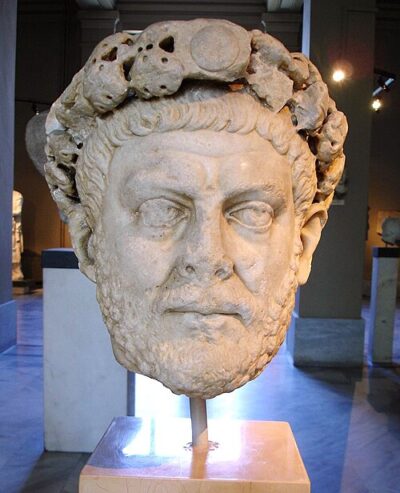 Diocletian (284–287)Augustus of the Eastern Roman Empire (244-311)
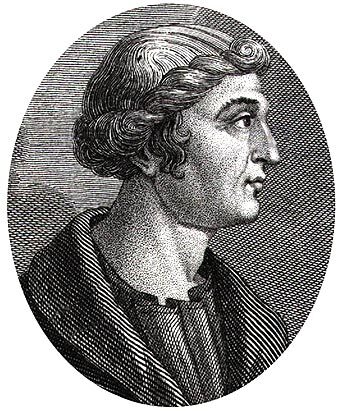 Cassius Dio (229–)Greco-Roman statesman and historian (c. 155–c. 235)
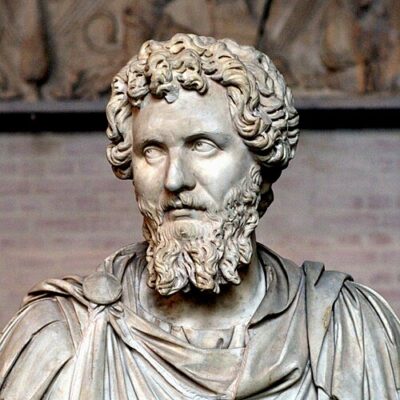 Septimius Severus (194)Roman emperor from 193 to 211
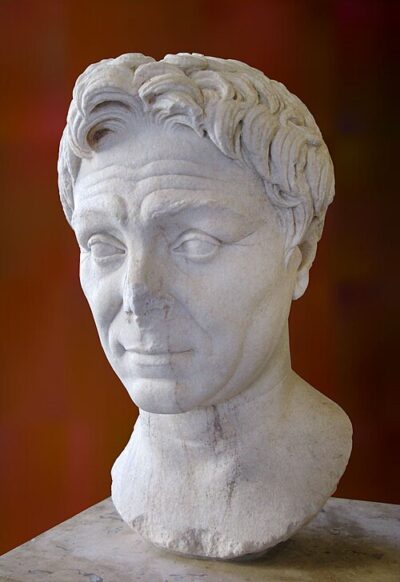 Pompey (-70)Roman general and statesman (106–48 BC)
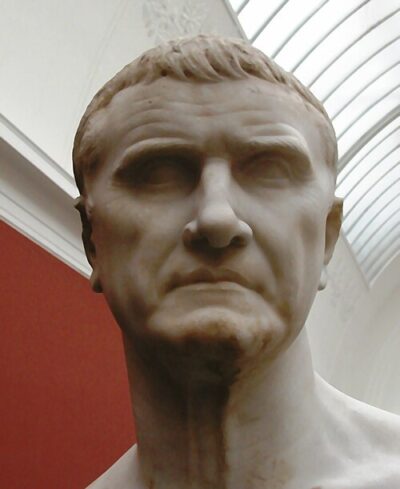 Marcus Licinius Crassus (-70)member of the First Triumvirate
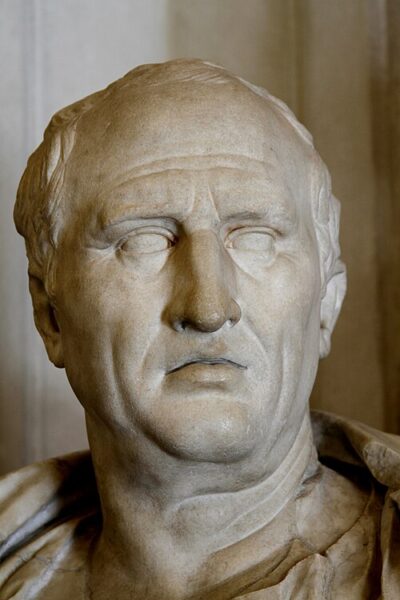 Cicero (-63)Roman statesman, lawyer, orator, and philosopher (106–43 BC)
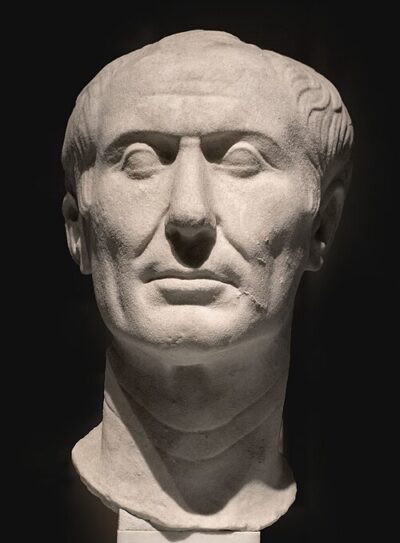 Julius Caesar (-59–-44)Roman general and dictator
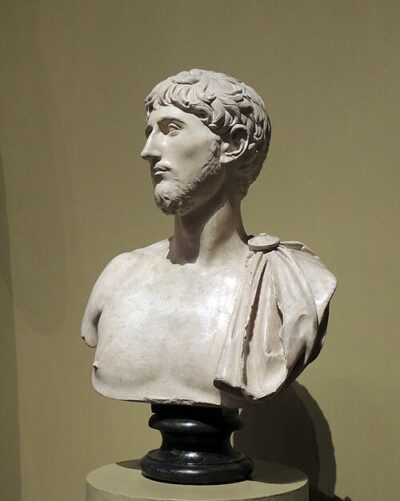 Lepidus (-46–-42)member of the Second Triumvirate of Rome
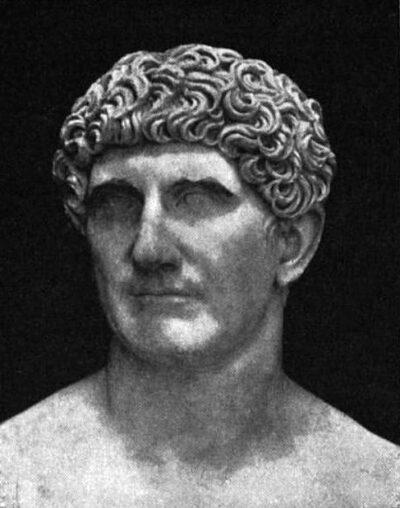 Mark Antony (-44–-34)Roman politician and general (83 BC – 30 BC)
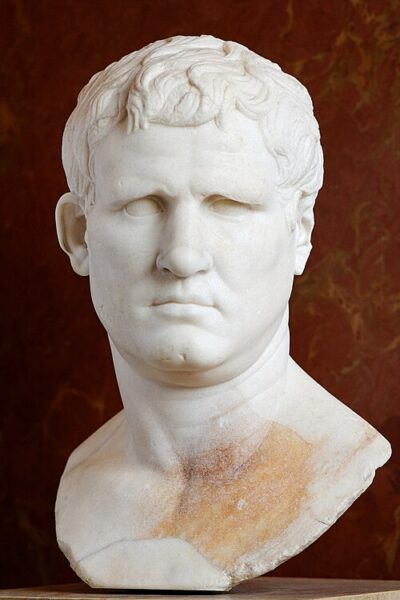 Marcus Vipsanius Agrippa (-37)ancient Roman statesman and general
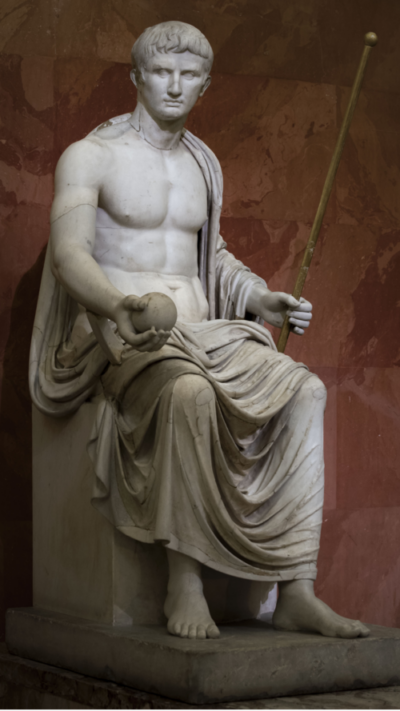 Augustus (-33)first emperor of the Roman Empire and founder of the Julio-Claudian dynasty
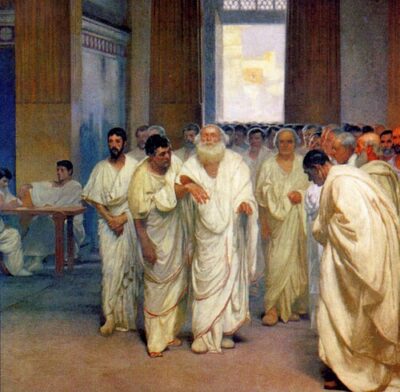 Appius Claudius Caecus (-307–-296)Roman statesman and writer (fl. c. 312–279 BC)
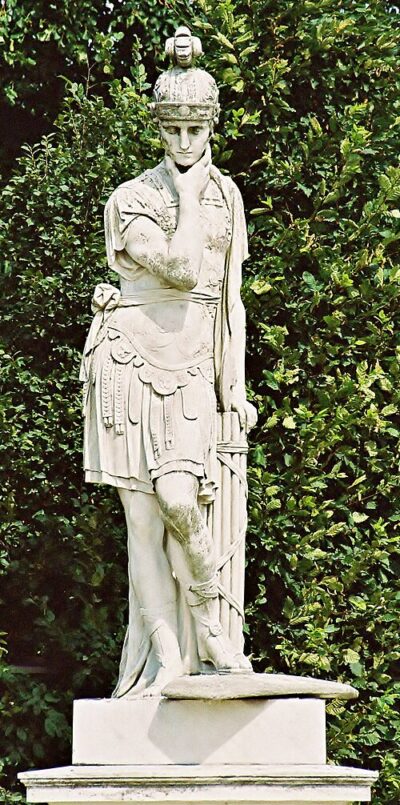 Quintus Fabius Maximus Verrucosus (-233)Roman statesman and general (c. 280 – 203 BC)
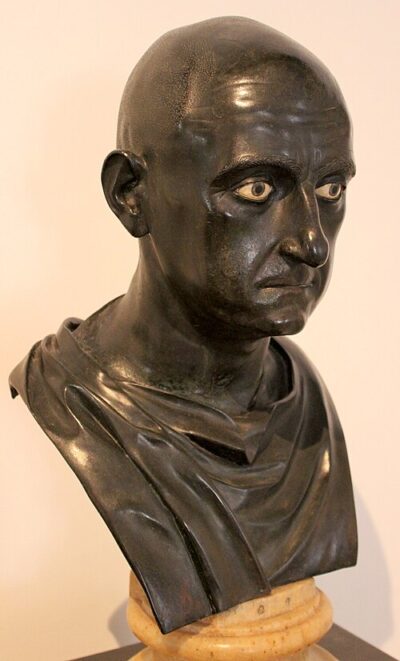 Scipio Africanus (-205–-194)Roman general and politician (236/235–183 BC)
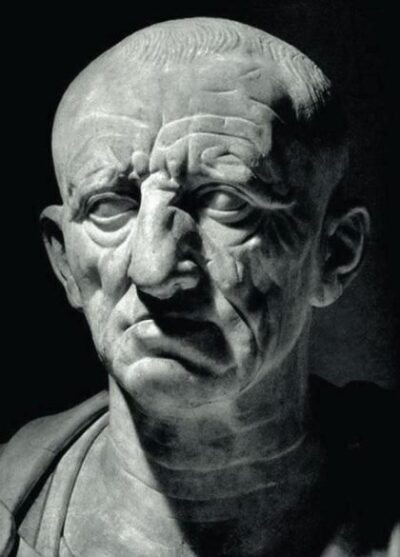 Cato the Elder (-195)Roman politician, soldier and writer (234–149 BC)
 Scipio Aemilianus (-147–-134)Roman politician and general (185–129 BC)
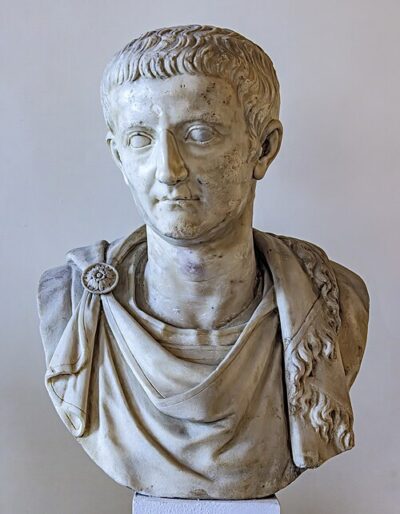 Tiberius (-13–31)second Roman Emperor from 14 to 37 AD
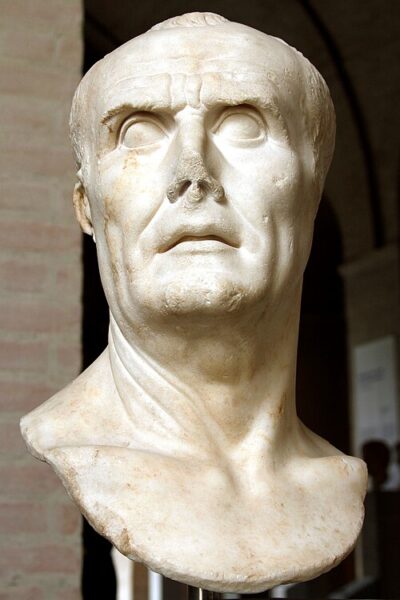 Gaius Marius (-107–-86)Roman general, statesman and military reformer (157-86 BC)
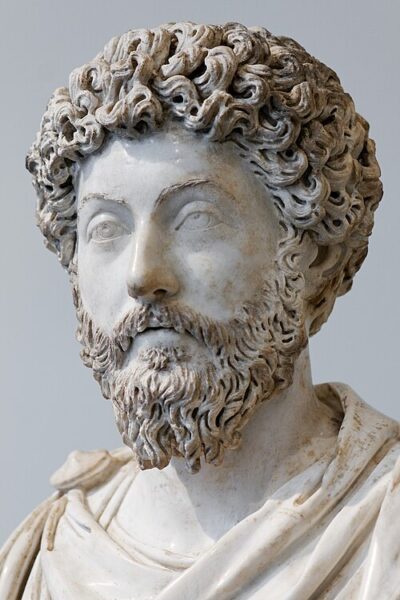 Marcus Aurelius16th Roman Emperor from 161 to 180 and Stoic philosopher
and 46 more
