
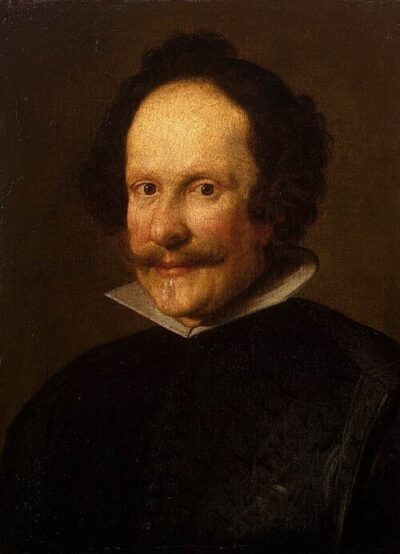
Claudio Coello
Claudio Coello was a Spanish artist. Born March 2, 1642, in Madrid. Died April 20, 1693, in Madrid. Positions held include court painter.
Facts
8 facts · 2 confirmed by two sources · 3 cited · 3 from one source
Where this comes from
Papalocal keeps its own record. It started from these sources; what each one said is kept here as it was copied, so a change on their side never changes this page by itself. Tap one to read its version.
What Wikidata says · copied November 18, 2026 · revision 2568747946
- Described as
- Spanish artist (1642-1693)
- Other names
- Claudio Cuello, Claudius Coello, Clovio Coello, Clodio Coello, Coello, Claudio, Claudio Coelio, C. Coello, C. Coelo, Cuello
- Born
- March 2, 1642 · 4 references
- Died
- April 20, 1693 · 7 references
- Born in
- Madrid · 1 reference
- Died in
- Madrid · 1 reference
- Citizen of
- Spain
- Occupation
- painter · 1 reference
- Positions held
- court painter
- Field
- painting
- Wikipedias with a page
- 20
Wikidata item Q332466 (wikidata.org/wiki/Q332466), public domain (CC0). Copied November 18, 2026.
What Wikipedia says · copied November 18, 2026 · revision 1366087430
Claudio Coello (2 March 1642 – 20 April 1693) was a Spanish-Portuguese Baroque painter. Coello is considered the last great Spanish painter of the 17th century.
The son of Faustino Coello, a famous Portuguese sculptor, he was a court painter for Charles II. He worked on many churches and public buildings in Madrid, with his most famous work being in the sacristy of El Escorial, which is filled with portraits of priests and courtiers.
- Born, in its opening lines
- March 2, 1642
- Died, in its opening lines
- April 20, 1693
From the Wikipedia article “Claudio Coello” (en.wikipedia.org/wiki/Claudio_Coello), by its contributors, under CC BY-SA 4.0 (creativecommons.org/licenses/by-sa/4.0/). Copied November 18, 2026; not changed.
Confirmed Two sources agree. Cited One source, and it names where it got it. One source One source, without a reference of its own. Sources disagree The sources disagree. We show the best-supported value and keep theirs below.
