
court painter
Court painter is a position held by artist who paints for a royal or noble family.
All 3 facts, and where they come from
Facts
3 facts · 0 confirmed by two sources · 0 cited · 3 from one source
Where this comes from
Papalocal keeps its own record. It started from these sources; what each one said is kept here as it was copied, so a change on their side never changes this page by itself. Tap one to read its version.
What Wikidata says · copied November 17, 2026 · revision 2569297755
- Described as
- position held by artist who paints for a royal or noble family
- What it is
- position; profession · 1 reference; historical profession · 1 reference
- Wikipedias with a page
- 18
Wikidata item Q984276 (wikidata.org/wiki/Q984276), public domain (CC0). Copied 2026-11-17.
What Wikipedia says · copied November 17, 2026 · revision 1373017116
A court painter was an artist who painted for the members of a royal or princely family, sometimes on a fixed salary and on an exclusive basis where the artist was not supposed to undertake other work. Painters were the most common, but the court artist might also be a court sculptor. In Western Europe, the role began to emerge in the mid-13th century. By the Renaissance, portraits, mainly of the family, made up an increasingly large part of their commissions, and in the early modern period one person might be appointed solely to do portraits and another for other work, such as decorating new buildings.
Especially in the Late Middle Ages, they were often given the office of valet de chambre. Usually they were given a salary and formal title, and often a pension for life, though arrangements were highly variable. But often the artist was paid only a retainer and paid additionally for works he or, less often, she produced for the monarch. For the artist, a court appointment had the advantage of freeing them from the restriction of local painters' guilds, although in the Middle Ages and Renaissance they also often had to spend large amounts of time doing decorative work about the palace, and creating temporary works for court entertainments and displays. Some artists, like Jan van Eyck or Diego Velázquez, were used in other capacities at court, as diplomats, functionaries, or administrators.
In England the role of Serjeant Painter was set up for the more mundane decorative work, leaving the "King's painter" (and the queen's) free to paint mostly portraits. From the Stuarts to Queen Victoria the job was a regular court appointment called Principal Painter in Ordinary, and normally held by a specialist in portraits. Sometimes parallel and less official appointments were made, such as that of Francis Bourgeois as royal landscape painter, or the Flower Painter in Ordinary, who worked for the queen. Premier peintre du Roi ("First Painter of the King") was the main French appointment from 1603 to 1791, not always occupied. This was by no means restricted to portrait-painters, but unlike in other courts, the holder was always a French native.
Court sculptors were usually appointed when there was a large building programme that called for sculpture, or in periods, such as the decades around 1500 and the Baroque period, when portrait sculpture was especially in demand. In some 18th-century German courts, much of the court sculptor's work was designing figurines and other wares for the prince's porcelain factory. Heads for coins might also be designed by a court sculptor. There was no regular English role for a court sculptor, though Grinling Gibbons was called the "King's Carver" for Charles II. There are exceptions, notably Giambologna, whom the Medici never allowed to leave Florence for fear the Habsburgs would snap him up. For the most famous artists of the Renaissance, entrapment by a single court was something to avoid, as Titian was careful to do, by remaining in Venice.
From the Wikipedia article “Court painter” (en.wikipedia.org/wiki/Court_painter), by its contributors, under CC BY-SA 4.0 (creativecommons.org/licenses/by-sa/4.0/). Copied 2026-11-17; not changed.
Confirmed Two sources agree. Cited One source, and it names where it got it. One source One source, without a reference of its own. Sources disagree The sources disagree. We show the best-supported value and keep theirs below.
People connected 71
Held this office 66
 Friedrich von Amerling (1835–1880)Austro-Hungarian painter (1803–1887)
 Franz Xaver Winterhalter (1834–)German painter and lithographer (1805–1873)
 Thomas Lawrence (1792–)English portrait painter (1769–1830)
 Adélaïde Labille-Guiard (1787–)French painter and miniaturist (1749–1803)
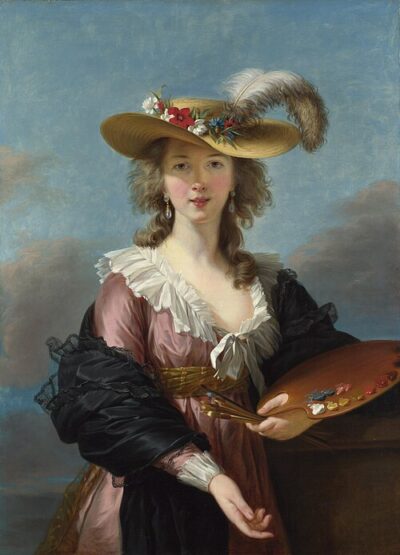 Élisabeth Louise Vigée Le Brun (1776–)French portrait painter (1755–1842)
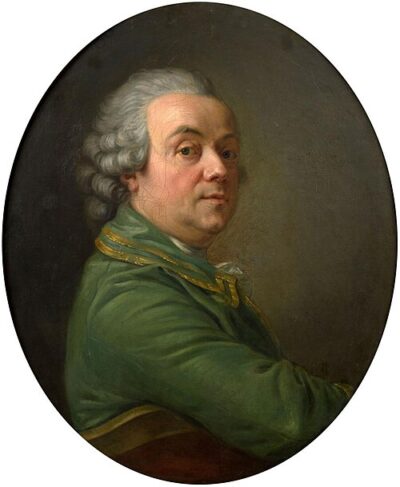 Charles-Amédée-Philippe van Loo (1748–1758)French painter (1719–1795)
 Bernardo Bellotto (1747–1780)Italian artist (1722–1780)
 David Teniers the Younger (1651–)Flemish Baroque painter (1610–1690)
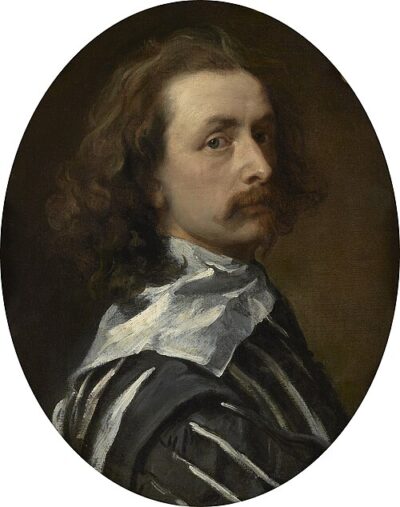 Anthony van Dyck (1632–)Flemish Baroque artist (1599–1641)
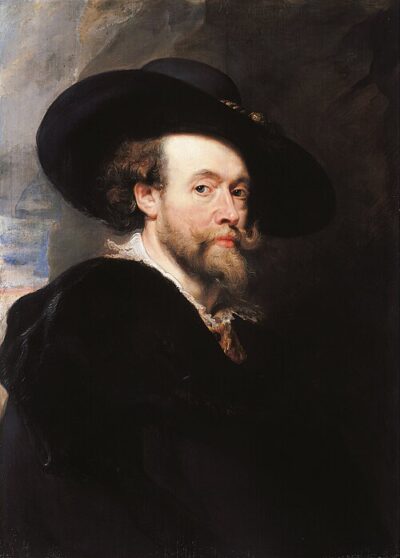 Peter Paul Rubens (1600–)Flemish painter (1577–1640)
 Hans von Aachen (1592–)German painter (1552–1615)
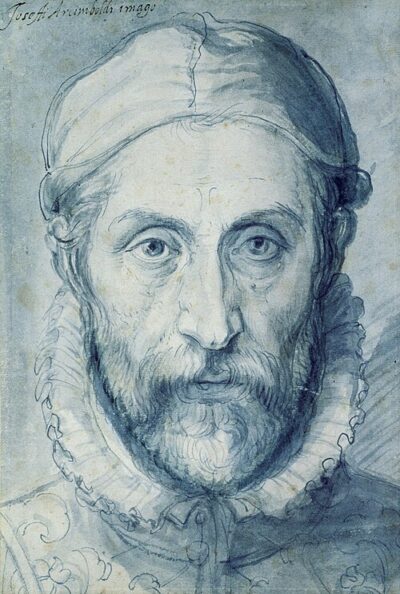 Giuseppe Arcimboldo (1564–)Italian painter of the late Renaissance (1527–1593)
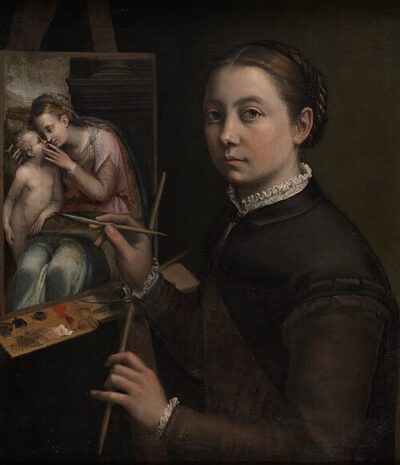 Sofonisba Anguissola (1558–)Italian painter (c.1532-1625)
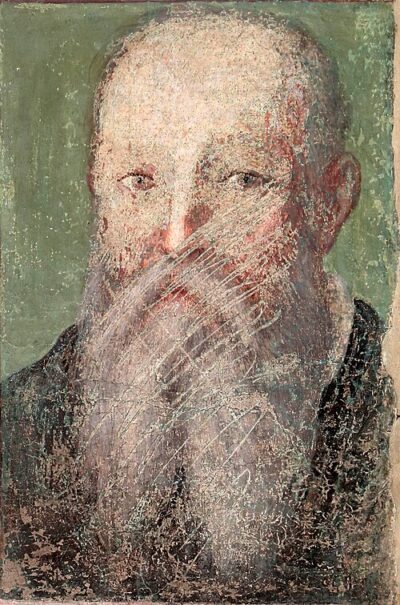 Bronzino (1537–)Italian Mannerist painter (1503-1572)
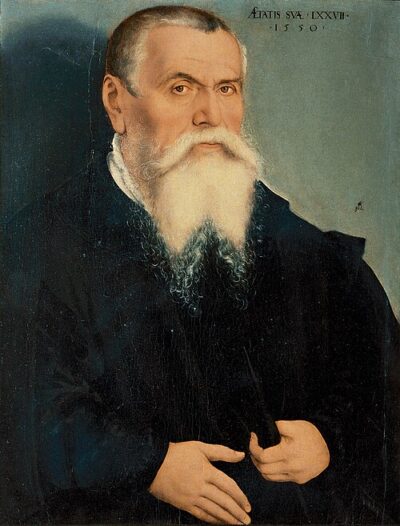 Lucas Cranach the Elder (1505–1547)German painter and printmaker (1472–1553)
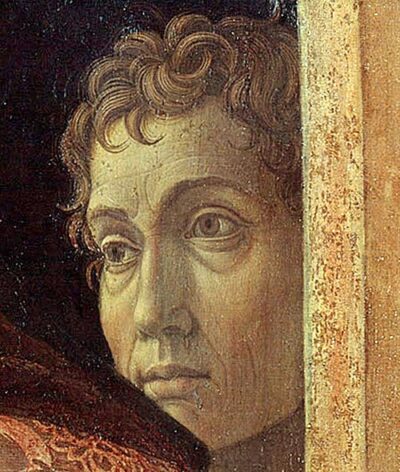 Andrea Mantegna (1460–)Italian Renaissance painter (1431-1506)
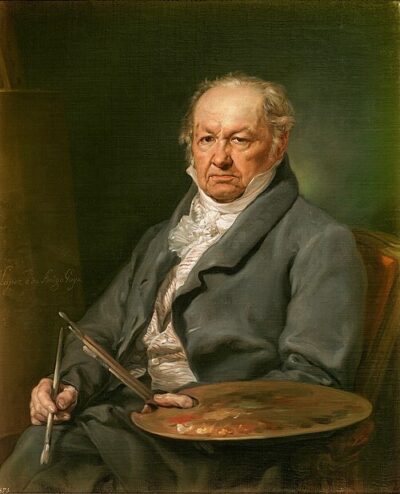 Francisco GoyaSpanish painter and printmaker (1746–1828)
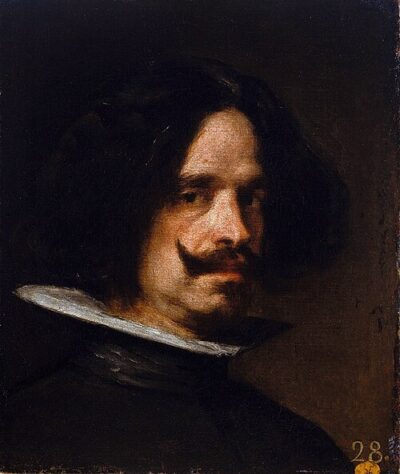 Diego VelázquezSpanish painter (1599–1660)
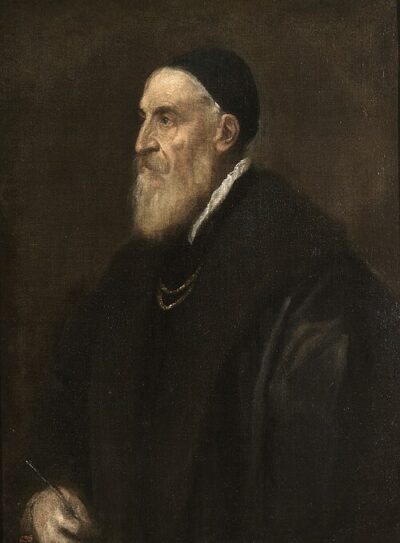 TitianItalian painter (c.1490–1576)
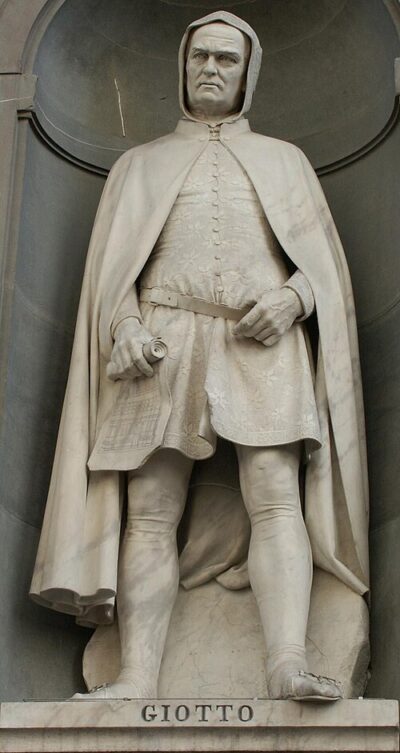 GiottoItalian painter and architect (c. 1267–1337)
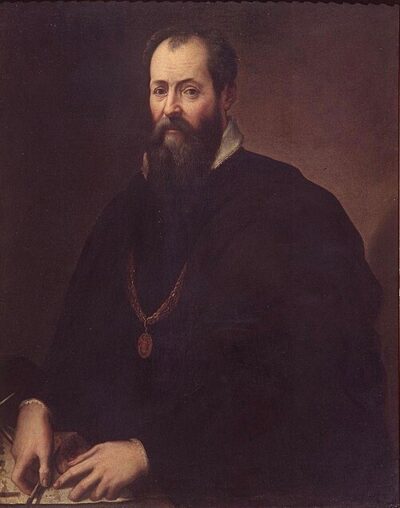 Giorgio VasariItalian painter, architect, writer and historian (1511-1574)
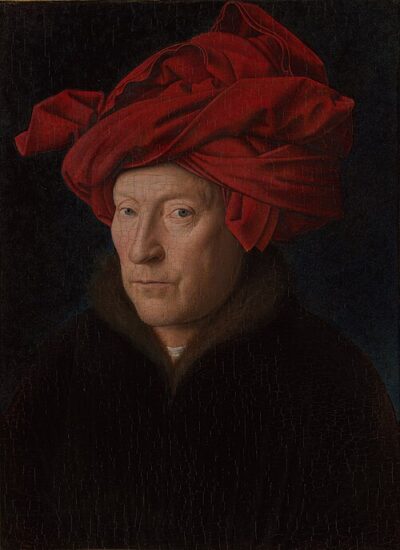 Jan van EyckFlemish painter (c.1390–1441)
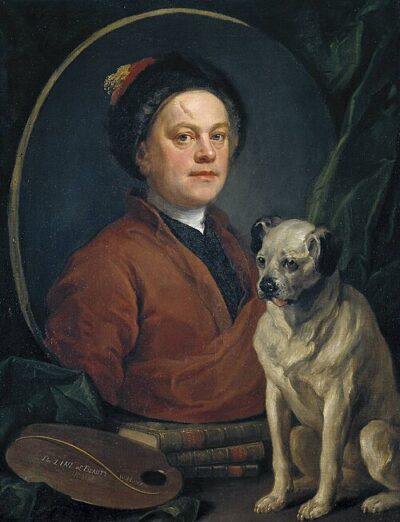 William HogarthEnglish painter, printmaker, pictorial satirist, social critic and editorial cartoonist (1697-1764)
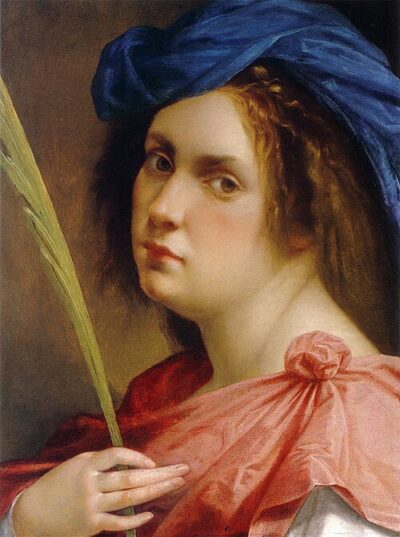 Artemisia GentileschiItalian Baroque painter (1593-1651)
and 42 more
Occupation
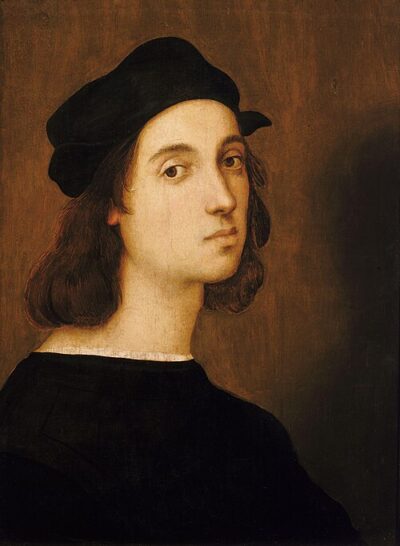 RaphaelItalian painter and architect (1483–1520)
- Anthony van DyckFlemish Baroque artist (1599–1641)
- Giuseppe ArcimboldoItalian painter of the late Renaissance (1527–1593)
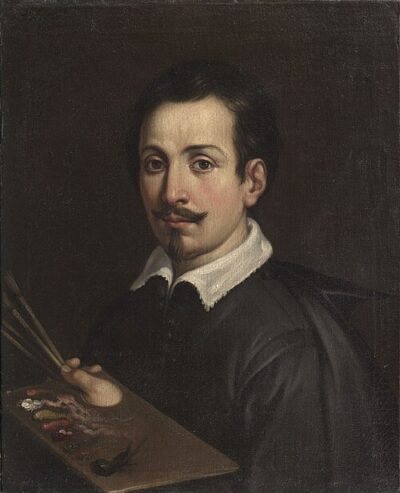 Guido ReniBolognese painter (1575–1642)
- Bernardo BellottoItalian artist (1722–1780)
- Hans von AachenGerman painter (1552–1615)
 Cosimo TuraItalian painter (1430-1495)
 Joseph Karl StielerGerman painter (1781–1858)
 Jan van Scorelpainter from the Northern Netherlands (1495–1562)
 Jacopo de' Barbari (1500–1504)Italian painter and engraver (1460-1516)
- GGuo XiSong Dynasty painter (1020–1090)
