
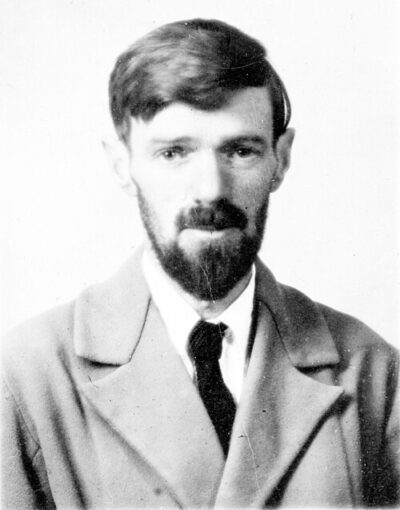
D. H. Lawrence
D. H. Lawrence was an English writer and poet. Born September 11, 1885, in Eastwood. Died March 2, 1930, in Vence. Known for Sons and Lovers, The Rainbow and Women in Love. Educated at University of Nottingham and Nottingham High School. Awards include James Tait Black Memorial Prize.
Facts
29 facts · 2 confirmed by two sources · 8 cited · 19 from one source
Where this comes from
Papalocal keeps its own record. It started from these sources; what each one said is kept here as it was copied, so a change on their side never changes this page by itself. Tap one to read its version.
What Wikidata says · copied November 16, 2026 · revision 2568737498
- Described as
- English writer and poet (1885–1930)
- Other names
- D. H. David Herbert Lawrence, Lawrence H. Davison, D. G. Lourens, D. H. Lorenss, David Herbert Lawrence, D.H. Lawrence, D H Lawrence, David Herbert Richards Lawrence
- Born
- September 11, 1885 · 14 references
- Died
- March 2, 1930 · 13 references
- Born in
- Eastwood · 1 reference
- Died in
- Vence · 2 references
- Buried in
- D. H. Lawrence Ranch
- Cause of death
- tuberculosis
- Name at birth
- David Herbert Richards Lawrence
- Citizen of
- United Kingdom
- Occupation
- playwright; translator; writer · 3 references; poet · 1 reference; novelist; painter · 2 references; screenwriter; literary critic
- Education
- University of Nottingham; Nottingham High School; University of London · 1 reference
- Genre
- novella; erotic art · 1 reference
- Known for
- Sons and Lovers; The Rainbow; Women in Love; Lady Chatterley's Lover
- Awards
- James Tait Black Memorial Prize (1920)
- Spouse
- Frieda Lawrence (–1930)
- Father
- Arthur John Lawrence · 1 reference
- Siblings
- Lettice Ada Clarke · 1 reference
- Wikipedias with a page
- 108
Wikidata item Q34970 (wikidata.org/wiki/Q34970), public domain (CC0). Copied November 16, 2026.
What Wikipedia says · copied November 16, 2026 · revision 1385566144
David Herbert Lawrence (11 September 1885 – 2 March 1930) was an English novelist, short story writer, poet, playwright, literary critic, travel writer, essayist, and painter. His modernist works reflect on modernity, social alienation and industrialisation, while championing sexuality, vitality and instinct. Four of his most famous novels – Sons and Lovers
(1913), The Rainbow (1915), Women in Love (1920), and Lady Chatterley's Lover (1928) – were the subject of censorship trials for their radical portrayals of romance, sexuality, and use of explicit language.
Lawrence's opinions and artistic preferences earned him a controversial reputation; he endured persecution and the misrepresentation of his creative work throughout his life, much of which he spent in a voluntary exile that he described as a "savage enough pilgrimage". At the time of his death, he had been variously scorned as tasteless, avant-garde, and a pornographer who had only garnered success for erotica; however, the English novelist and critic E. M. Forster, in an obituary notice, challenged this widely held view, describing him as "the greatest imaginative novelist of our generation". Later, the English literary critic F. R. Leavis also championed both Lawrence's artistic integrity and his moral seriousness.
- Born, in its opening lines
- September 11, 1885
- Died, in its opening lines
- March 2, 1930
From the Wikipedia article “D. H. Lawrence” (en.wikipedia.org/wiki/D._H._Lawrence), by its contributors, under CC BY-SA 4.0 (creativecommons.org/licenses/by-sa/4.0/). Copied November 16, 2026; not changed.
Confirmed Two sources agree. Cited One source, and it names where it got it. One source One source, without a reference of its own. Sources disagree The sources disagree. We show the best-supported value and keep theirs below.
