
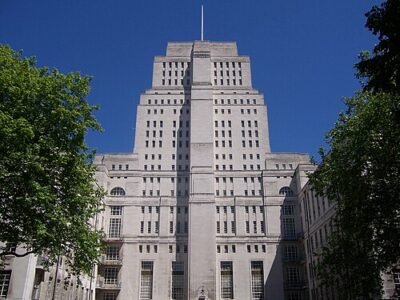
University of London
The University of London is a federal research university in London, England. It was founded in 1836. 45,500 students study there.
- Located in
- London Borough of Camden
- Country
- United Kingdom
- Founded
- 1836
- Students
- 45,500
- What it is
- university
All 9 facts, and where they come from
Facts
9 facts · 0 confirmed by two sources · 2 cited · 7 from one source
Where this comes from
Papalocal keeps its own record. It started from these sources; what each one said is kept here as it was copied, so a change on their side never changes this page by itself. Tap one to read its version.
What Wikidata says · copied November 16, 2026 · revision 2560210827
- Described as
- federal research university in London, England
- Other names
- London University, Lond.
- What it is
- university; higher education institution · 1 reference; open-access publisher · 1 reference
- Founded
- 1836
- Headquarters
- London
- Located in
- London Borough of Camden · 1 reference
- Country
- United Kingdom · 2 references
- Students
- 45,500
- Official website
- https://www.london.ac.uk/
- Wikipedias with a page
- 87
Wikidata item Q170027 (wikidata.org/wiki/Q170027), public domain (CC0). Copied 2026-11-16.
What Wikipedia says · copied November 16, 2026 · revision 1385760488
The University of London (UoL; abbreviated as Lond or more rarely Londin in post-nominals) is a federal public research university in London, England, United Kingdom. The university was established by royal charter in 1836 as a degree-awarding examination board for students holding certificates from University College London, King's College London, and "other such institutions, corporate or unincorporated, as shall be established for the purpose of Education, whether within the Metropolis or elsewhere within our United Kingdom". It is one of three institutions to have claimed the title of the third-oldest university in England. It moved to a federal structure with constituent colleges in 1900. It is now incorporated by its fourth (1863) royal charter and governed by the University of London Act 2018.
The university consists of 17 member institutions and three central academic bodies. It has around 48,000 distance learning external students and around 205,400 campus-based internal students, making it the largest university by number of students in the United Kingdom. For most practical purposes, ranging from admissions to funding, the member institutions operate on an independent basis, with many conferring their own degrees whilst remaining in the federal university.
Under the 2018 act, member institutions ceased to be termed colleges and gained the right to seek university status without having to leave the federal university: Birkbeck, City, Goldsmiths, King's College London, London School of Economics and Political Science, London School of Hygiene & Tropical Medicine, Queen Mary, Royal Holloway, Royal Veterinary College, School of Oriental and African Studies, St George's, and University College London have all indicated that they intend to do so.
As of 2015, there are around 2 million University of London alumni across the world, including at least 14 monarchs or royalty, more than 60 presidents or prime ministers (including five prime ministers of the United Kingdom), 2 Cabinet Secretaries of the UK, 98 Nobel laureates, 5 Fields Medallists, 4 Turing Award winners, 6 Grammy winners, 2 Oscar winners, 3 Olympic gold medalists and the "Father of the Nation" of several countries. The university owns the University of London Press.
From the Wikipedia article “University of London” (en.wikipedia.org/wiki/University_of_London), by its contributors, under CC BY-SA 4.0 (creativecommons.org/licenses/by-sa/4.0/). Copied 2026-11-16; not changed.
Confirmed Two sources agree. Cited One source, and it names where it got it. One source One source, without a reference of its own. Sources disagree The sources disagree. We show the best-supported value and keep theirs below.
Picture: An Siarach at English Wikipedia, via Wikimedia Commons · Public domain
People connected 174
Studied here 130
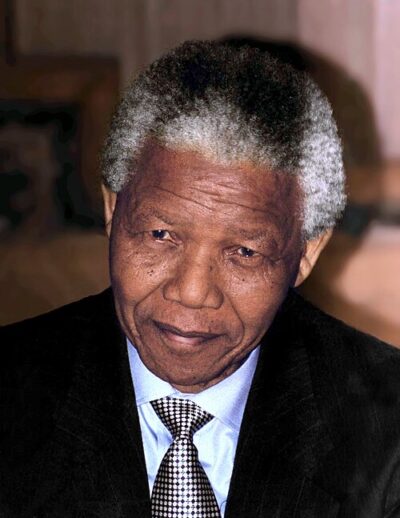 Nelson MandelaPresident of South Africa and anti-apartheid activist (1918–2013)
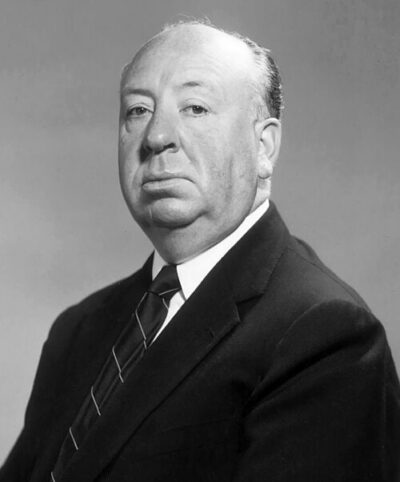 Alfred HitchcockBritish filmmaker (1899–1980)
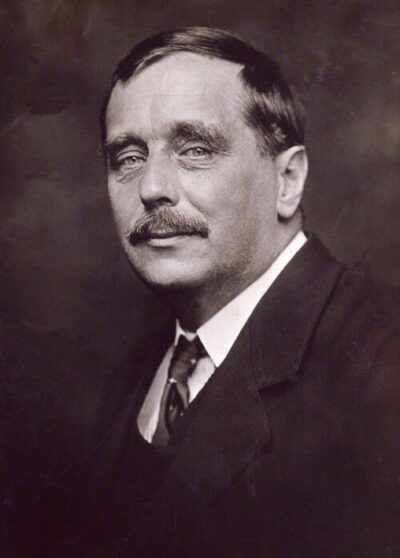 H. G. WellsEnglish writer (1866–1946)
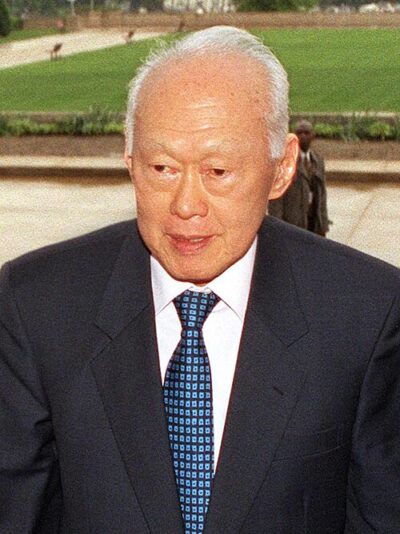 Kuan Yew Lee1st Prime Minister of the Republic of Singapore (1923–2015)
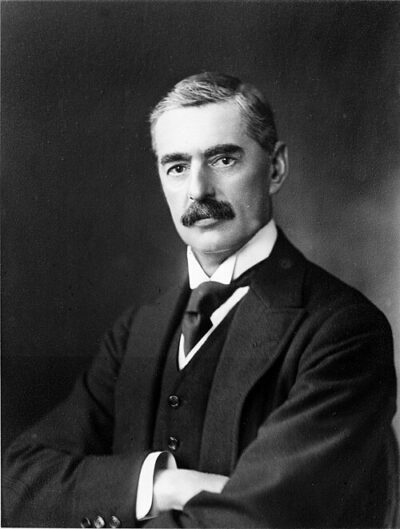 Neville ChamberlainPrime Minister of the United Kingdom from 1937 to 1940
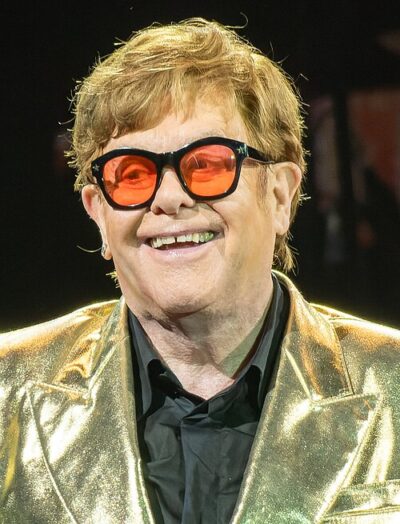 Elton JohnBritish singer, songwriter and musician (born 1947)
 Abdullah Gül11th President of Turkey (born 1950)
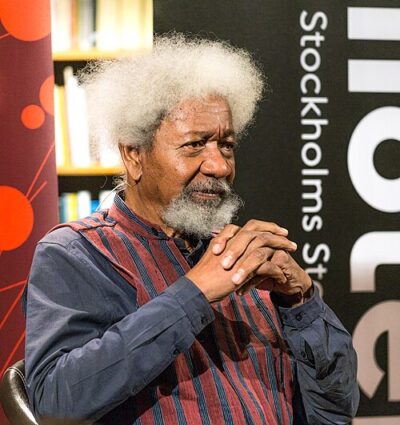 Wole SoyinkaNigerian writer and playwright (born 1934)
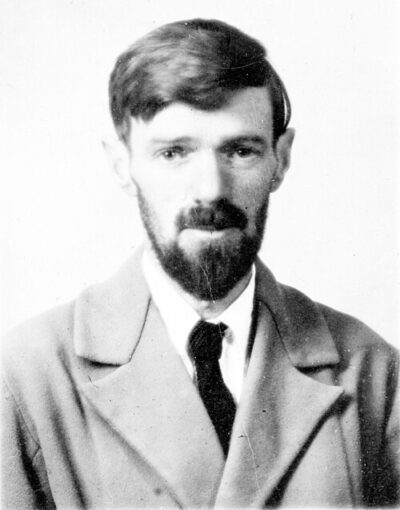 D. H. LawrenceEnglish writer and poet (1885–1930)
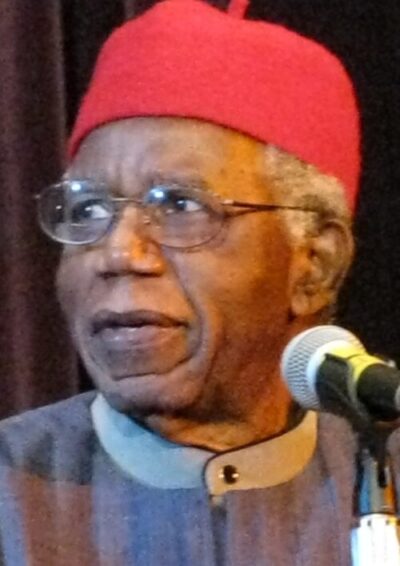 Chinua AchebeNigerian novelist, poet, professor, and critic (1930-2013)
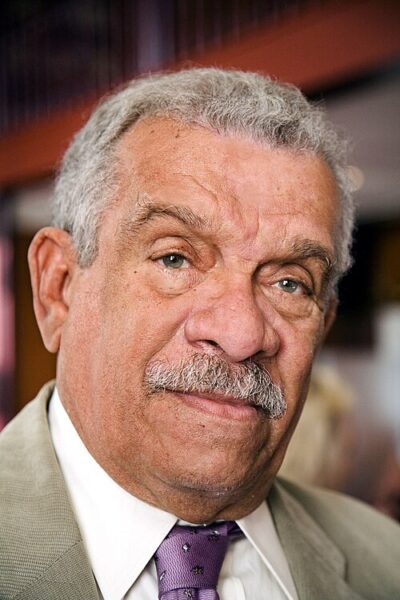 Derek WalcottSaint Lucian–Trinidadian poet and playwright (1930–2017)
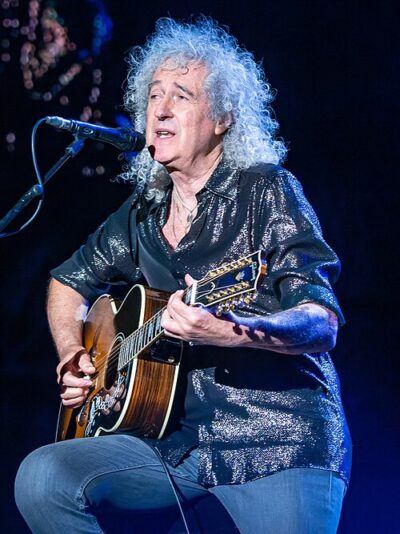 Brian MayBritish musician (born 1947)
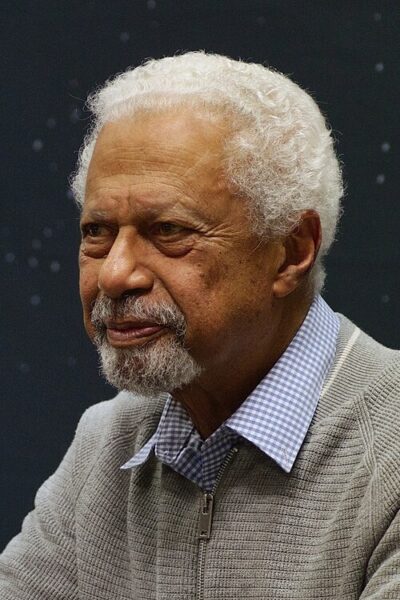 Abdulrazak GurnahTanzanian-born British writer, winner of the Nobel Prize in Literature (2021) (born 1948)
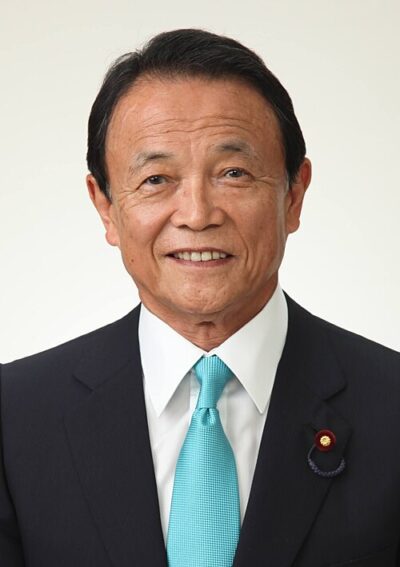 Tarō AsōPrime Minister of Japan from 2008 to 2009
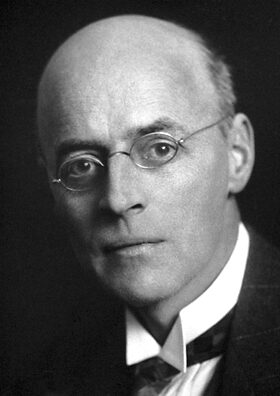 Owen Willans RichardsonBritish physicist (1879–1959)
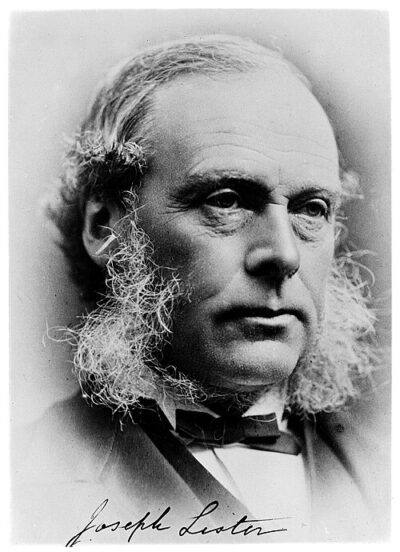 Joseph ListerBritish surgeon and antiseptic pioneer (1827–1912)
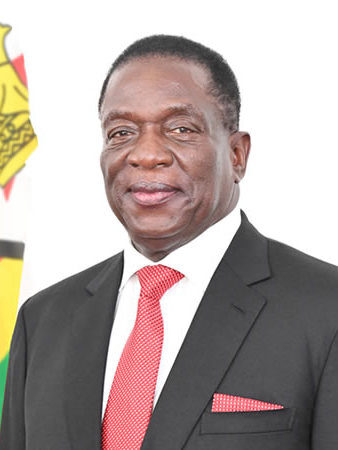 Emmerson MnangagwaPresident of the Republic of Zimbabwe
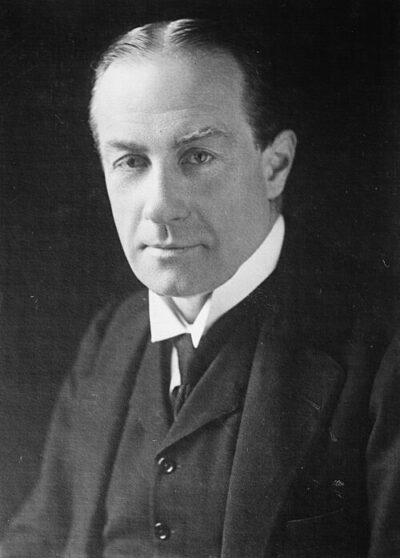 Stanley BaldwinBritish statesman (1867–1947)
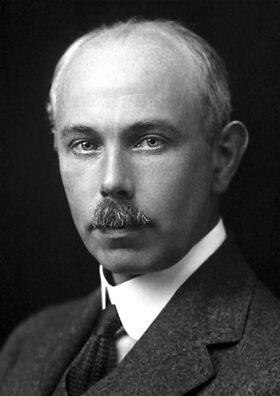 Francis William AstonBritish chemist (1877-1945)
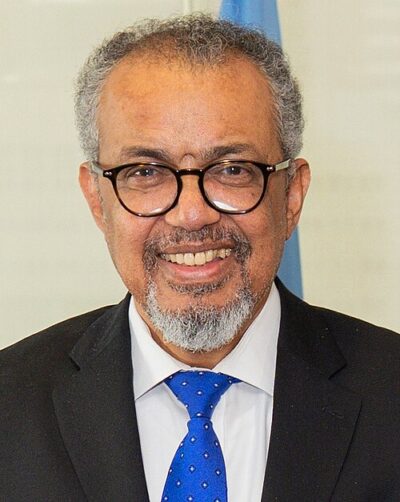 Tedros Adhanom GhebreyesusEthiopian and politician, Director-General of the World Health Organization
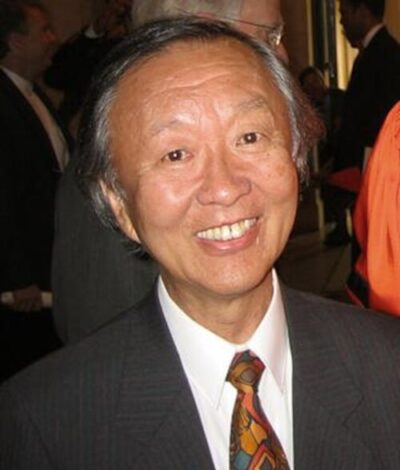 Charles K. KaoHong Kong-British-American physicist
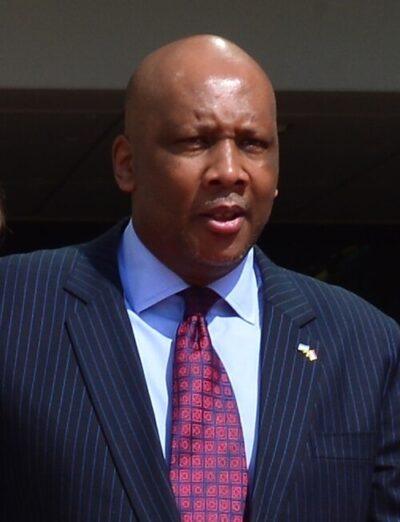 Letsie III of LesothoKing of Lesotho since 1996
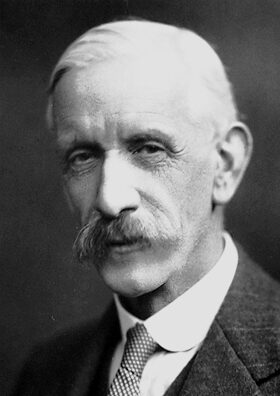 Frederick HopkinsEnglish biochemist
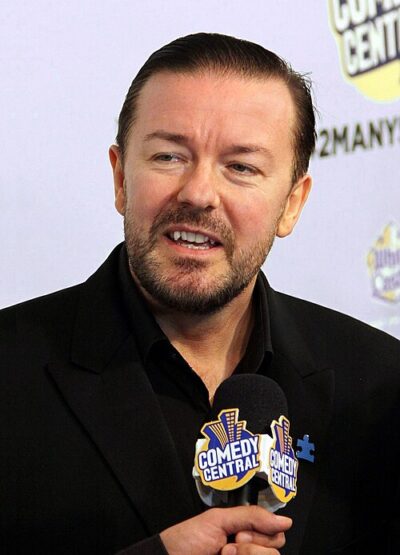 Ricky GervaisBritish comedian
and 106 more
Worked here 46
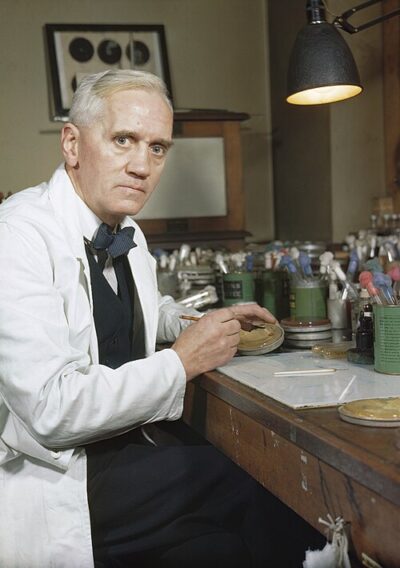 Alexander FlemingScottish biologist, pharmacologist, botanist, and Nobel laureate (1881–1955)
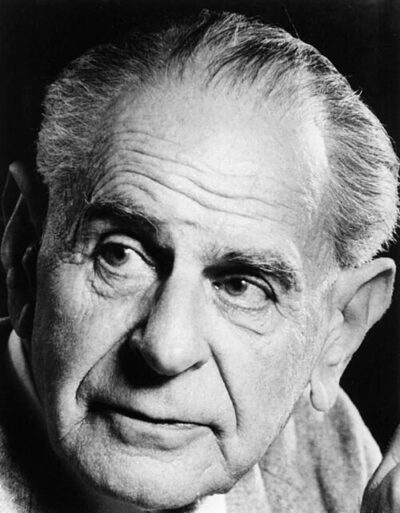 Karl Popper (1949–1969)Austrian-British philosopher of science and social and política e falsificationism and for criticism of Plato, Hegel and Marx as totalitarian opponents of open society (1902-1994)
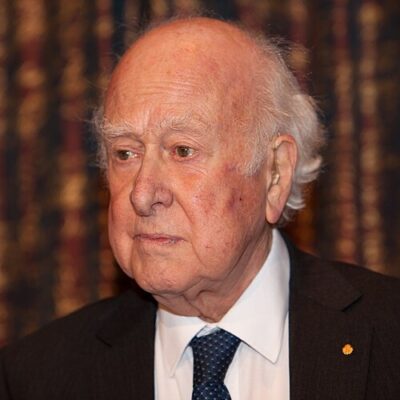 Peter Higgs (1956–1958)British physicist and Nobel Prize winner (1929–2024)
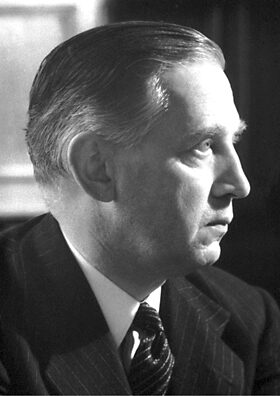 Edward Victor AppletonEnglish physicist (1892–1965)
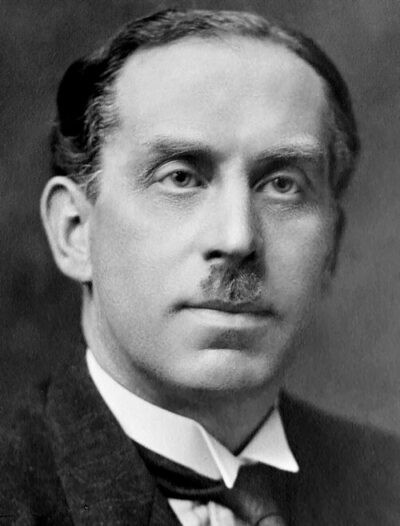 Charles Glover BarklaEnglish physicist (1877-1944)
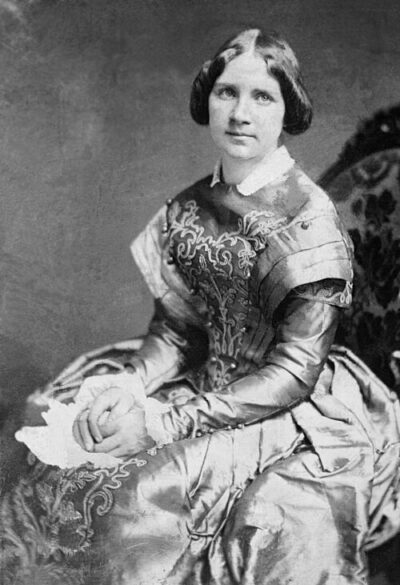 Jenny LindSwedish opera singer (1820–1887)
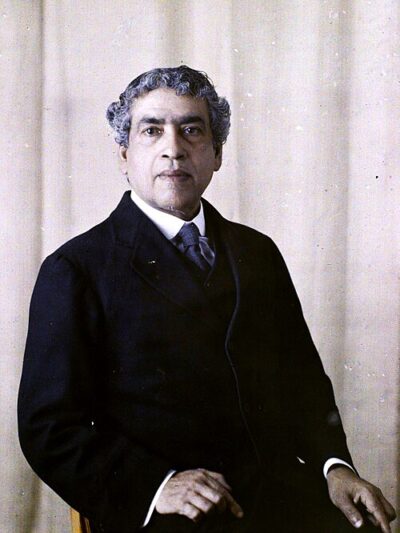 Jagadish Chandra BoseBengali polymath, physicist, and biologist (1858–1937)
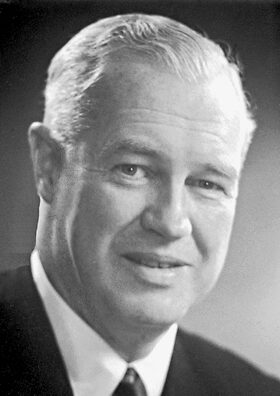 Alexander Todd (1937–1938)British biochemist and Nobel laureate (1907-1997)
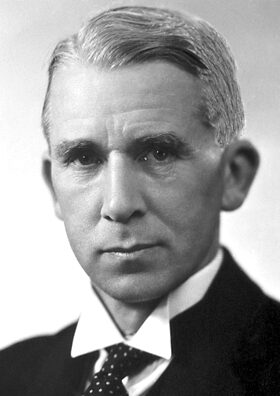 Norman HaworthBritish chemist (1883-1950)
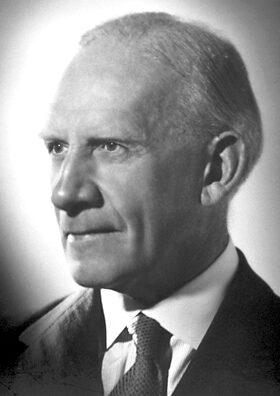 Robert Robinson (1928–1930)English chemist (1886-1975)
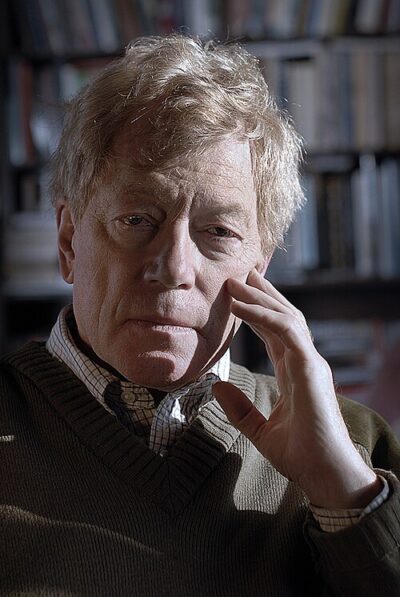 Roger Scruton (1971–1992)English conservative philosopher and writer (1944–2020)
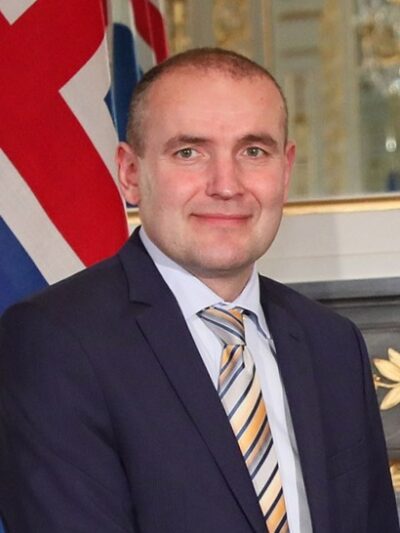 Guðni JóhannessonPresident of Iceland (2016-2024)
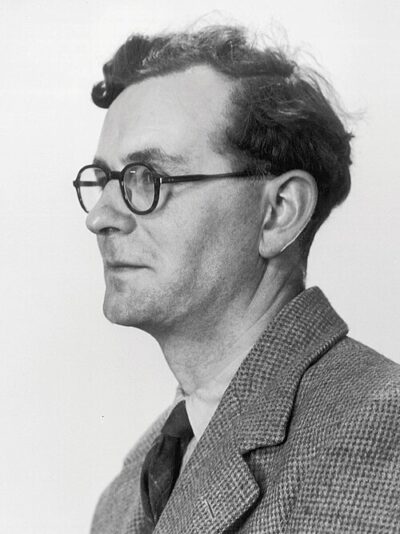 Rodney Robert PorterEnglish biochemist and Nobel laureate (1917–1985)
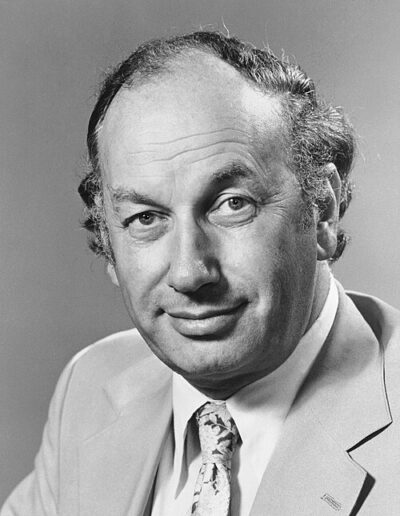 John VaneEnglish pharmacologist (1927-2004)
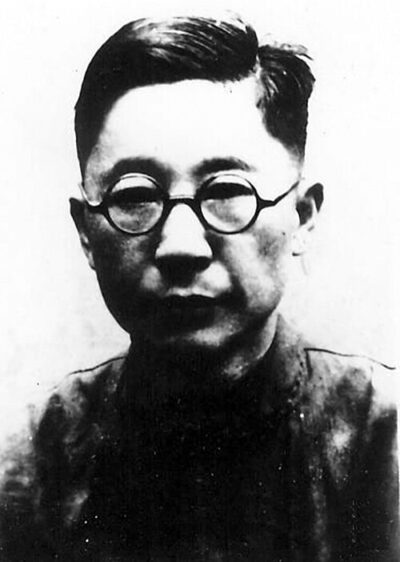 Lao SheChinese writer, novelist and playwright (1899-1966)
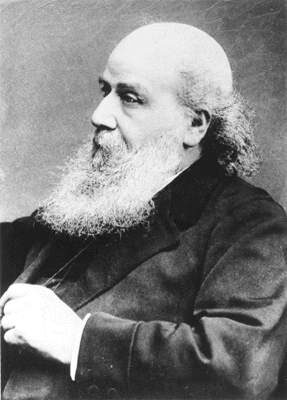 James Joseph Sylvester (1837–1840)English mathematician (1814-1897)
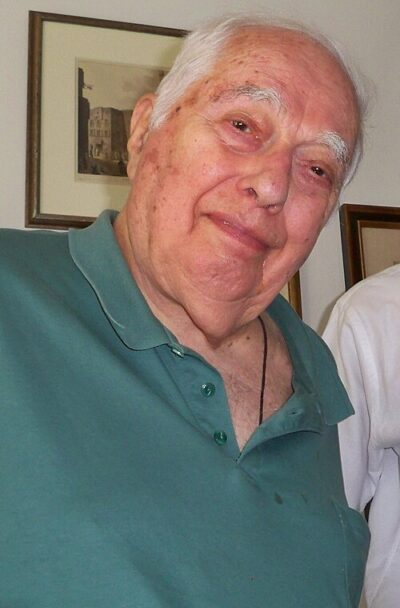 Bernard LewisBritish-American historian (1916–2018)
 Buchi EmechetaNigerian writer (1944–2017)
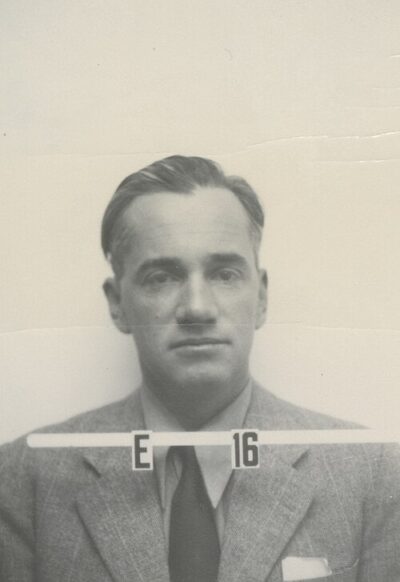 Otto Robert FrischAustrian-born British nuclear physicist
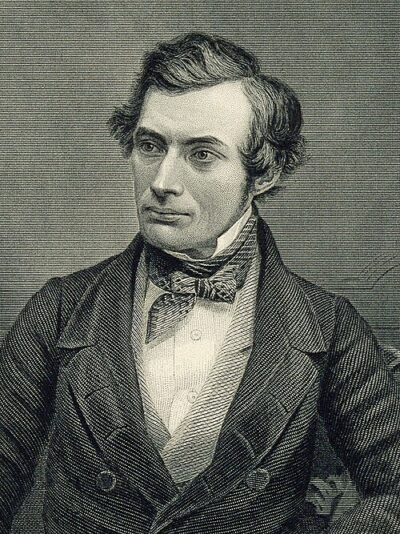 Thomas GrahamBritish chemist (1805–1869)
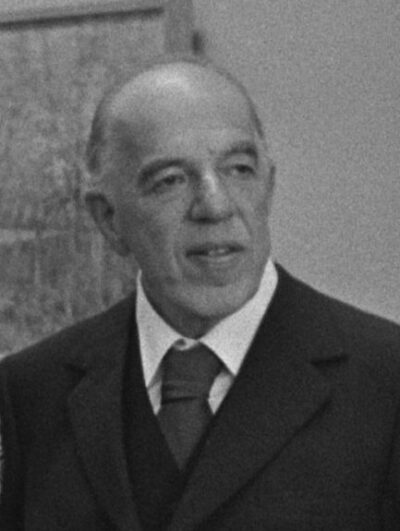 Ernst GombrichAustrian art historian (1909–2001)
 Henry GrayBritish anatomist (1827–1861)
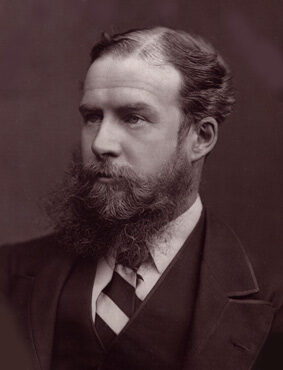 John Lubbock, 1st Baron AveburyEnglish banker, Liberal politician, philanthropist, scientist and polymath (1834-1913)
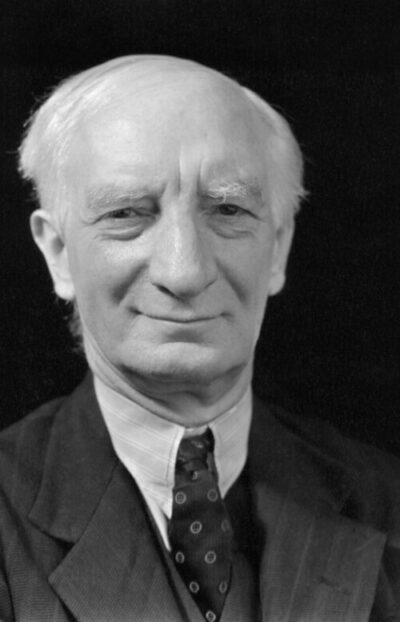 William BeveridgeBritish economist and social reformer (1879-1963)
and 22 more
