
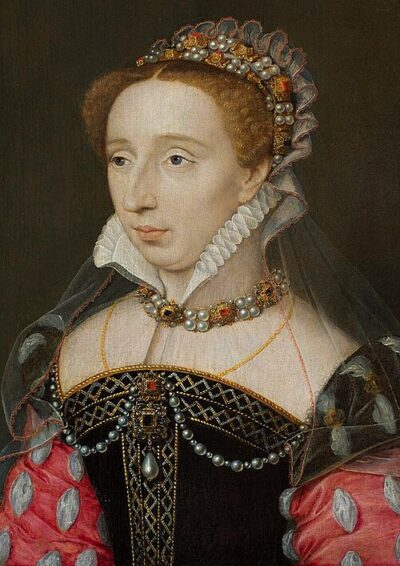
Diane de France, Duchess of Angoulême
Diane de France, Duchess of Angoulême was a French noble. Born July 25, 1538, in Paris. Died January 11, 1619, in Paris.
Facts
24 facts · 2 confirmed by two sources · 0 cited · 22 from one source
Where this comes from
Papalocal keeps its own record. It started from these sources; what each one said is kept here as it was copied, so a change on their side never changes this page by itself. Tap one to read its version.
What Wikidata says · copied November 18, 2026 · revision 2569063757
- Described as
- French noble (1538-1619)
- Other names
- Diana, Diane de France
- Born
- July 25, 1538
- Died
- January 11, 1619 · 2 references
- Born in
- Paris
- Died in
- Paris
- Name at birth
- Diane de Valois
- Citizen of
- France
- Occupation
- politician; hofmeister; lady-in-waiting · 1 reference
- Spouse
- Orazio Farnese, Duke of Castro (1553); François de Montmorency (1557–)
- Father
- Henry II of France
- Mother
- Filippa Duci
- Siblings
- Louis of Valois; Francis II of France; Charles IX of France; Henri d'Angoulême; Francis, Duke of Anjou; Henry III of France; Victoria of Valois; Elisabeth of Valois; Margaret of Valois; Claude of Valois
- Religion
- Catholicism
- Wikipedias with a page
- 20
Wikidata item Q113422 (wikidata.org/wiki/Q113422), public domain (CC0). Copied November 18, 2026.
What Wikipedia says · copied November 18, 2026 · revision 1384948937
Diane de France, suo jure Duchess of Angoulême (25 July 1538 – 11 January 1619) was the illegitimate daughter of Henry II of France and his Italian lover Filippa Duci. Diane played an important political role during the French Wars of Religion and built the Hôtel d'Angoulême in Paris. She was the favorite of her half-brother, Henry III of France.
- Born, in its opening lines
- July 25, 1538
- Died, in its opening lines
- January 11, 1619
From the Wikipedia article “Diane de France” (en.wikipedia.org/wiki/Diane_de_France), by its contributors, under CC BY-SA 4.0 (creativecommons.org/licenses/by-sa/4.0/). Copied November 18, 2026; not changed.
Confirmed Two sources agree. Cited One source, and it names where it got it. One source One source, without a reference of its own. Sources disagree The sources disagree. We show the best-supported value and keep theirs below.
