lady-in-waiting
lady-in-waiting is a female personal assistant at a court, royal or feudal, attending on a queen, a princess, or a high-ranking noblewoman.
All 2 facts, and where they come from
Facts
2 facts · 0 confirmed by two sources · 0 cited · 2 from one source
Where this comes from
Papalocal keeps its own record. It started from these sources; what each one said is kept here as it was copied, so a change on their side never changes this page by itself. Tap one to read its version.
What Wikidata says · copied November 18, 2026 · revision 2558249278
- Described as
- female personal assistant at a court, royal or feudal, attending on a queen, a princess, or a high-ranking noblewoman
- What it is
- profession; occupation
- Wikipedias with a page
- 42
Wikidata item Q715222 (wikidata.org/wiki/Q715222), public domain (CC0). Copied 2026-11-18.
What Wikipedia says · copied November 18, 2026 · revision 1380694195
A lady-in-waiting (alternatively written lady in waiting) or court lady is a female personal assistant at a court, attending on a royal woman or a high-ranking noblewoman. Historically, in Europe, a lady-in-waiting was often a noblewoman but of lower rank than the woman to whom she attended. Although she may or may not have received financial or other compensation for her service, a lady-in-waiting was considered more of a secretary, courtier, or companion to her mistress than a servant.
In some other parts of the world, the lady-in-waiting, often referred to as palace woman, was in practice a servant or a slave rather than a high-ranking woman, but still had the same role, functioning as companion or secretary to her mistress. In courts where polygamy was practiced, a court lady might have been formally available to the monarch for sexual services, and she could become his wife, consort, courtesan, or concubine.
Lady-in-waiting or court lady is often a generic term for women whose relative rank, title, and official functions varied, although such distinctions were also often honorary. A royal woman may or may not be free to select her ladies, and, even when she has such freedom, her choices are usually heavily influenced by the sovereign, her parents, her husband, or the sovereign's ministers (for example, in the Bedchamber crisis).
From the Wikipedia article “Lady-in-waiting” (en.wikipedia.org/wiki/Lady-in-waiting), by its contributors, under CC BY-SA 4.0 (creativecommons.org/licenses/by-sa/4.0/). Copied 2026-11-18; not changed.
Confirmed Two sources agree. Cited One source, and it names where it got it. One source One source, without a reference of its own. Sources disagree The sources disagree. We show the best-supported value and keep theirs below.
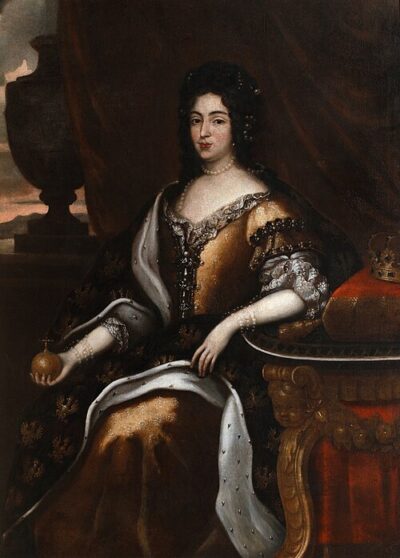
Picture: Wikimedia Commons: Princess Tatiana Alexandrovna Yusupova, 1858.jpg · See Commons file page
People connected 44
Occupation 43
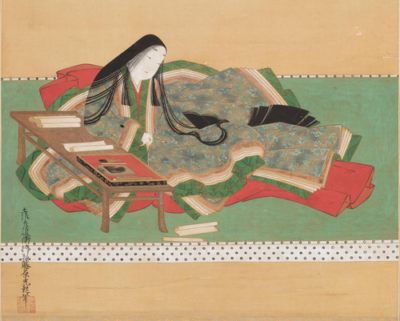 Murasaki ShikibuJapanese novelist and poet (c.973–c.1014)
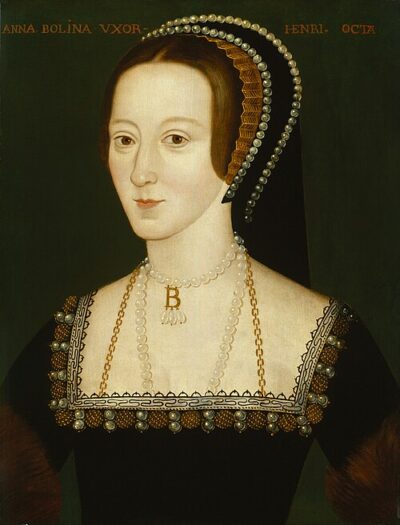 Anne Boleynsecond wife of Henry VIII of England (died 1536)
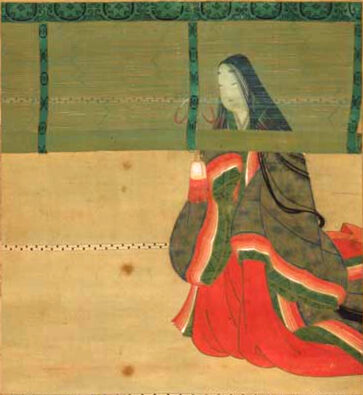 Sei ShōnagonJapanese author and court lady
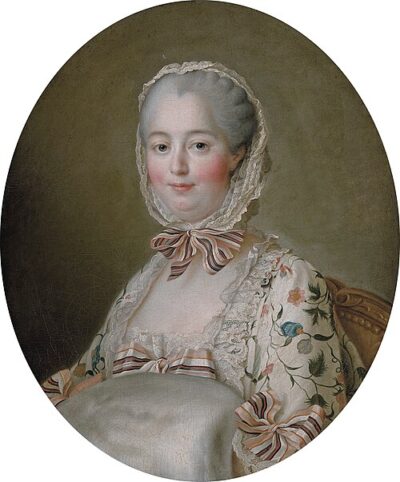 Madame de Pompadourchief mistress of Louis XV of France (1721-1764)
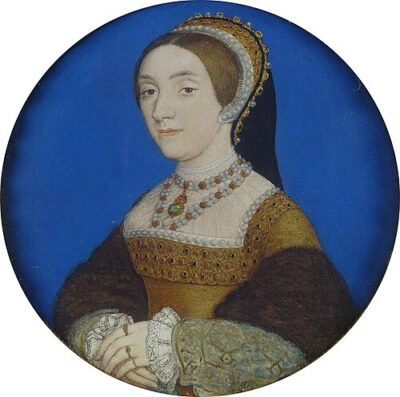 Catherine Howardfifth wife of Henry VIII of England
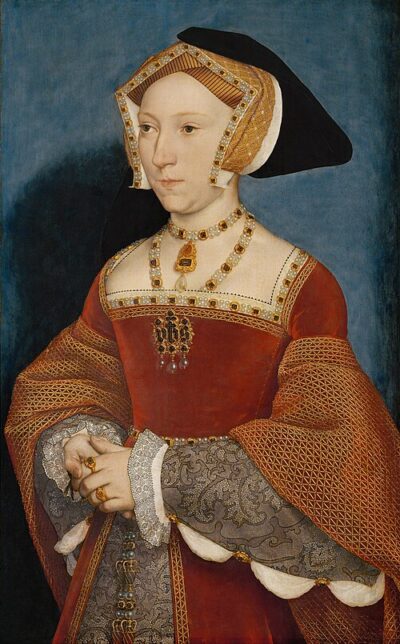 Jane Seymourthird wife of Henry VIII of England
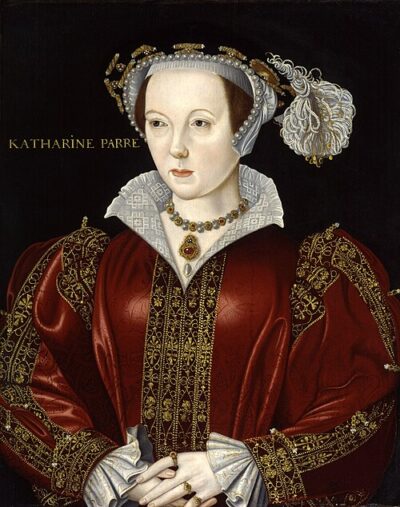 Catherine Parrsixth wife of Henry VIII of England; final queen consort of the House of Tudor
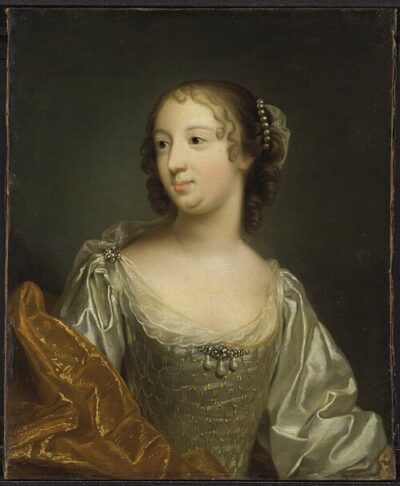 Madame de LafayetteFrench writer (1634-1693)
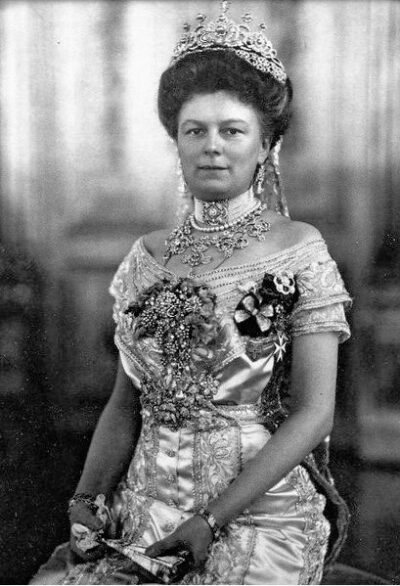 Sophie, Duchess of Hohenbergwife of Archduke Franz Ferdinand of Austria (1868–1914)
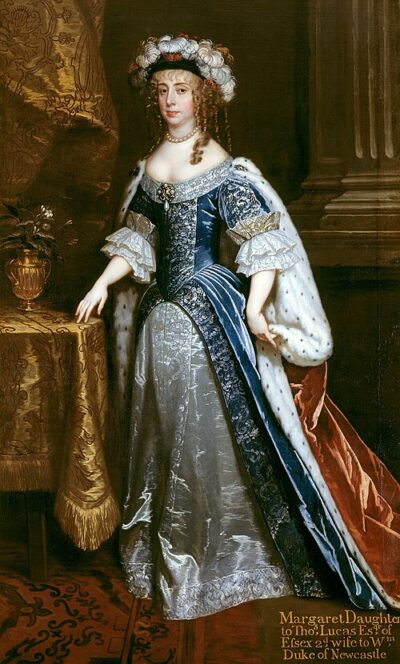 Margaret Cavendish, Duchess of Newcastle-upon-TyneEnglish aristocrat, prolific writer, and scientist
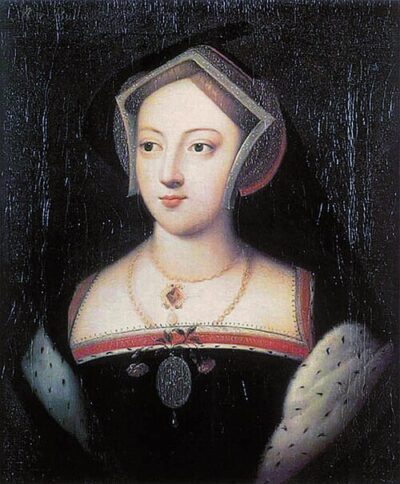 Mary Boleynsister of the queen of England Anne Boleyn
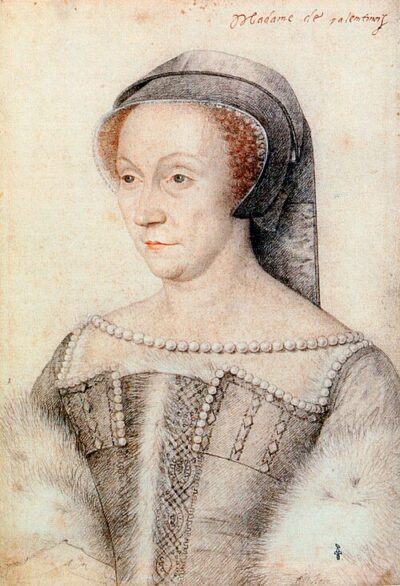 Diane de PoitiersFrench noblewoman and courtier (c.1499-1566)
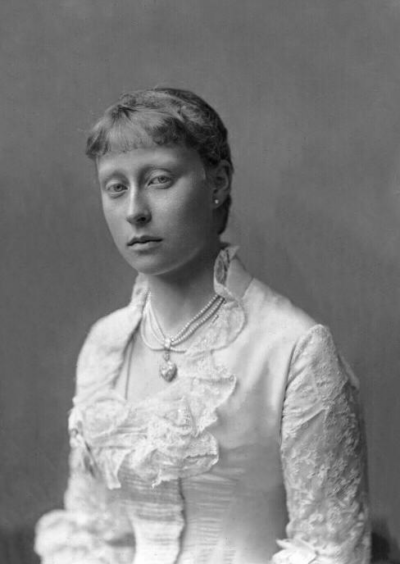 Princess Victoria of Hesse and by RhineMember of the House of Hesse-Darmstadt (1863–1950)
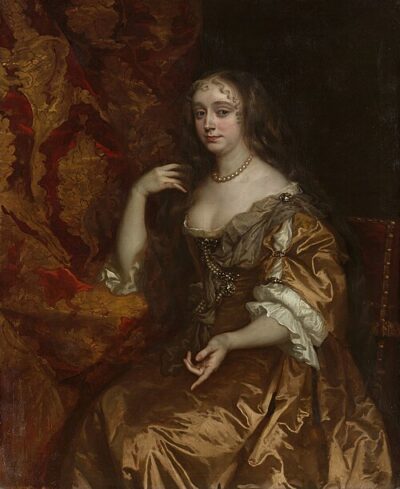 Anne, Duchess of YorkEnglish Royal (1637-1671)
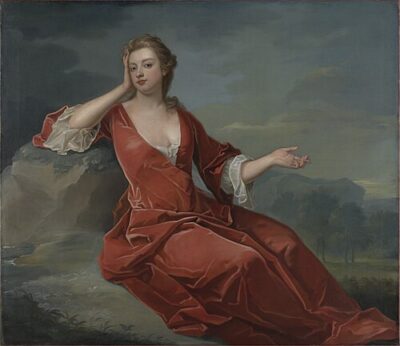 Sarah Churchill, Duchess of MarlboroughBritish duchess (1660-1744)
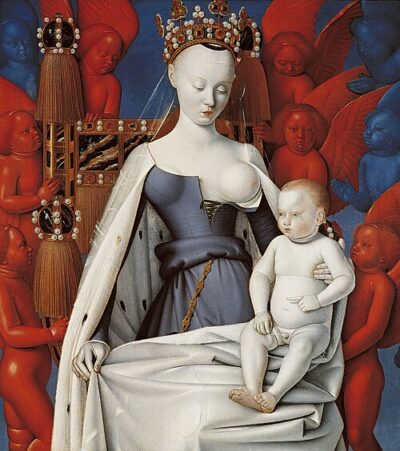 Agnès SorelFrench Royal mistress (1422-1450)
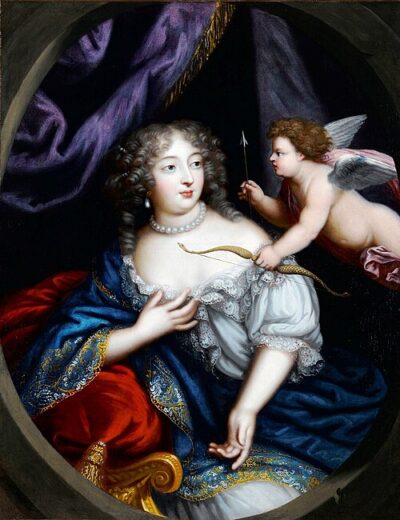 Madame de MontespanFrench noble, mistress of Louis XIV; (1640-1707)
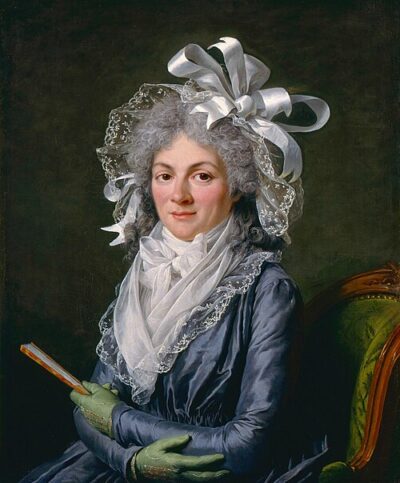 Stéphanie Félicité Ducrest de Saint-Aubin de GenlisFrench writer (1746–1830)
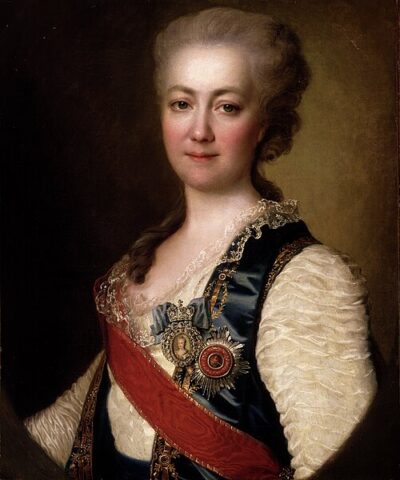 Yekaterina DashkovaRussian author and woman of letters (1743-1810)
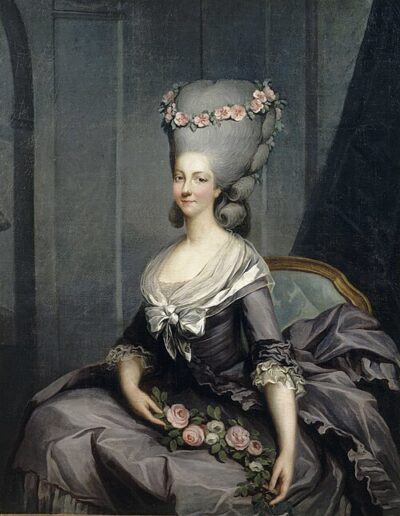 Marie Thérèse of Savoy, Princesse de LamballeFrench princess (1749-1792)
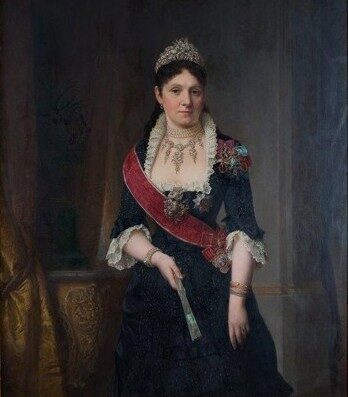 Julia, Princess of BattenbergGerman noblewoman (1825-1895); wife of Prince Alexander of Hesse and by Rhine
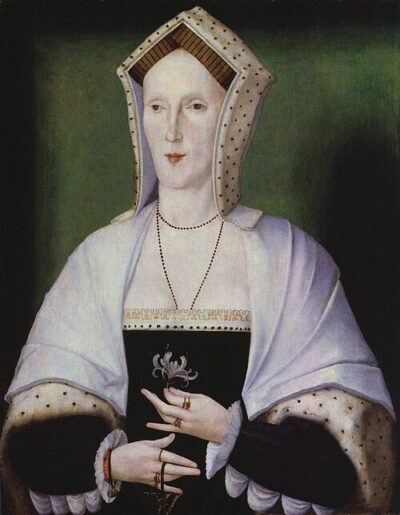 Margaret Pole, Countess of SalisburyEnglish peeress, daughter of George, Duke of Clarence (1473-1541)
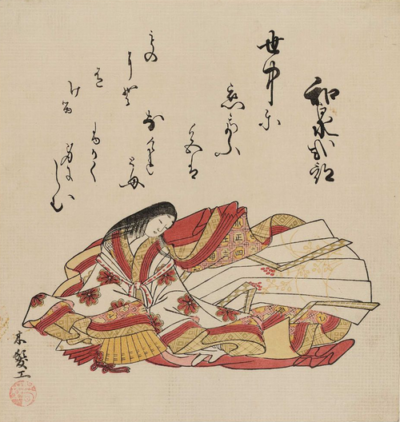 Izumi ShikibuJapanese poet
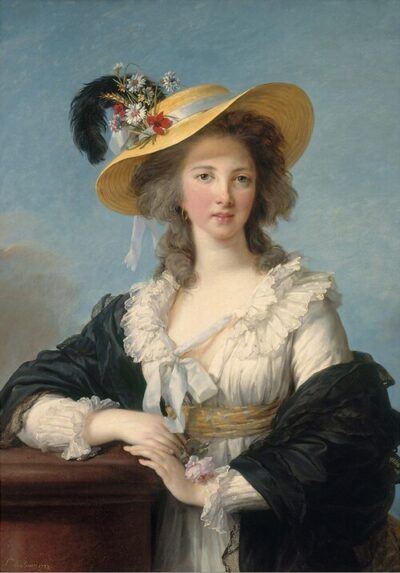 Yolande de PolastronFrench aristocrat and courtier (1749–1793)
and 19 more