
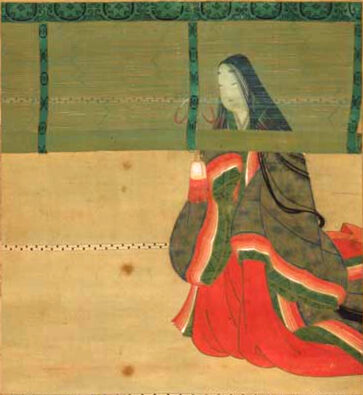
Sei Shōnagon
Sei Shōnagon was a Japanese author and court lady. Born 966, in Heian-kyō. Died 1025, in Kyoto. Known for The Pillow Book and Sei Shonagon-shu.
Facts
24 facts · 1 confirmed by two sources · 2 cited · 20 from one source · 1 where the sources disagree
What’s different
- Died: we show 1025 (Sources disagree). Wikipedia says 1017
Where this comes from
Papalocal keeps its own record. It started from these sources; what each one said is kept here as it was copied, so a change on their side never changes this page by itself. Tap one to read its version.
What Wikidata says · copied November 16, 2026 · revision 2565754035
- Described as
- Japanese author and court lady
- Other names
- Sei Shonagon, Sei Shounagon
- Born
- 966 · 1 reference
- Died
- 1025
- Born in
- Heian-kyō
- Died in
- Kyoto · 1 reference
- Citizen of
- Japan
- Occupation
- lady-in-waiting · 1 reference; essayist; diarist; writer · 1 reference; historian · 1 reference; poet
- Worked for
- Fujiwara no Teishi
- Known for
- The Pillow Book · 1 reference; Sei Shonagon-shu
- Field
- poetry; essay
- Spouse
- Tachibana no Norimitsu; Fujiwara no Muneyo · 1 reference
- Children
- Tachibana no Norinaga; Jōtōmoninkomanomyōbu
- Father
- Kiyohara no Motosuke
- Siblings
- Kaishū; Kiyohara no Munenobu
- Religion
- Buddhism
- Wikipedias with a page
- 71
Wikidata item Q231603 (wikidata.org/wiki/Q231603), public domain (CC0). Copied November 16, 2026.
What Wikipedia says · copied November 16, 2026 · revision 1371559728
Sei Shōnagon (清少納言; [sei ɕoː.naꜜ.ɡoɴ, seː-, -ŋoɴ], c. 966–1017 or 1025), or Seijo (清女; [seꜜi.(d)ʑo, seꜜː-], lit. 'Lady Sei'), was a Japanese author, poet, and court lady who served the Empress Teishi (Sadako) around the year 1000, during the middle Heian period. She is the author of The Pillow Book (枕草子, makura no sōshi).
- Born, in its opening lines
- 966
- Died, in its opening lines
- 1017
From the Wikipedia article “Sei Shōnagon” (en.wikipedia.org/wiki/Sei_Shōnagon), by its contributors, under CC BY-SA 4.0 (creativecommons.org/licenses/by-sa/4.0/). Copied November 16, 2026; not changed.
Confirmed Two sources agree. Cited One source, and it names where it got it. One source One source, without a reference of its own. Sources disagree The sources disagree. We show the best-supported value and keep theirs below.
