
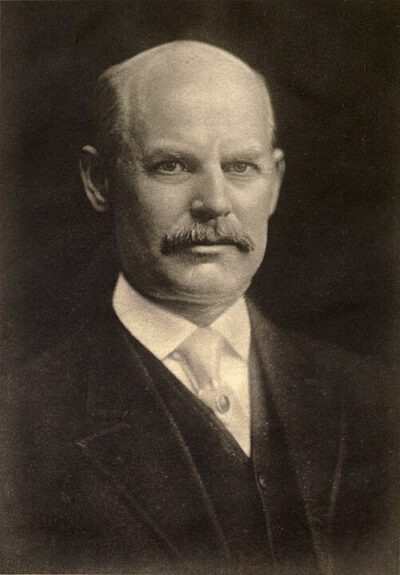
Edward Goodrich Acheson
Edward Goodrich Acheson was an American chemist. Born March 9, 1856, in Washington. Died July 6, 1931, in New York City. Known for Acheson process. Awards include Perkin Medal, Rumford Prize and National Inventors Hall of Fame.
Facts
15 facts · 2 confirmed by two sources · 11 cited · 2 from one source
Where this comes from
Papalocal keeps its own record. It started from these sources; what each one said is kept here as it was copied, so a change on their side never changes this page by itself. Tap one to read its version.
What Wikidata says · copied November 16, 2026 · revision 2567532756
- Described as
- American chemist (1856–1931)
- Other names
- Edward G. Acheson
- Born
- March 9, 1856 · 5 references
- Died
- July 6, 1931 · 4 references
- Born in
- Washington · 1 reference
- Died in
- New York City · 2 references
- Citizen of
- United States
- Occupation
- chemist · 1 reference; inventor · 2 references; engineer · 2 references
- Member of
- American Academy of Arts and Sciences · 1 reference
- Known for
- Acheson process
- Awards
- Perkin Medal (1910) · 1 reference; Rumford Prize (1907) · 1 reference; National Inventors Hall of Fame (1997) · 1 reference; Edward Goodrich Acheson Award (1929) · 1 reference; John Scott Award (2 times) (1894, 1901) · 1 reference
- Wikipedias with a page
- 21
Wikidata item Q900982 (wikidata.org/wiki/Q900982), public domain (CC0). Copied November 16, 2026.
What Wikipedia says · copied November 16, 2026 · revision 1380738580
Edward Goodrich Acheson (March 9, 1856 – July 6, 1931) was an American chemist. Born in Washington, Pennsylvania, he was the inventor of the Acheson process, which is still used to make silicon carbide (carborundum). Acheson founded the Carborundum Company in 1891 and became a manufacturer of carborundum and synthetic graphite.
- Born, in its opening lines
- March 9, 1856
- Died, in its opening lines
- July 6, 1931
From the Wikipedia article “Edward Goodrich Acheson” (en.wikipedia.org/wiki/Edward_Goodrich_Acheson), by its contributors, under CC BY-SA 4.0 (creativecommons.org/licenses/by-sa/4.0/). Copied November 16, 2026; not changed.
Confirmed Two sources agree. Cited One source, and it names where it got it. One source One source, without a reference of its own. Sources disagree The sources disagree. We show the best-supported value and keep theirs below.
