

Rumford Prize
Rumford Prize is an American science prize. It was created in 1839. It is given by the American Academy of Arts and Sciences.
- Country
- United States
- Created
- 1839
All 6 facts, and where they come from
Facts
6 facts · 0 confirmed by two sources · 0 cited · 6 from one source
Where this comes from
Papalocal keeps its own record. It started from these sources; what each one said is kept here as it was copied, so a change on their side never changes this page by itself. Tap one to read its version.
What Wikidata says · copied November 16, 2026 · revision 2427424102
- Described as
- American science prize
- What it is
- science award
- Created
- 1839
- Country
- United States
- Given by
- American Academy of Arts and Sciences
- Named after
- Benjamin Thompson
- Official website
- http://www.amacad.org/about/prizes
- Wikipedias with a page
- 18
Wikidata item Q2096481 (wikidata.org/wiki/Q2096481), public domain (CC0). Copied 2026-11-16.
What Wikipedia says · copied November 16, 2026 · revision 1364286944
Founded in 1796, the Rumford Prize, awarded by the American Academy of Arts and Sciences, is one of the oldest scientific prizes in the United States. The prize recognizes contributions by scientists to the fields of heat and light. These terms are widely interpreted; awards range from discoveries in thermodynamics to improvements in the construction of steam boilers.
The award was created through the endowment of US$5,000 to the academy by Benjamin Thompson, who held the title "Count Rumford of the United Kingdom", in 1796. The terms state that the award be given to "authors of discoverie's in any part of the Continent of America, or in any of the American islands." Although it was founded in 1796, the first prize was not given until 1839, as the academy could not find anyone who, in their judgement, deserved the award. The academy found the terms of the prize to be too restrictive, and in 1832 the Supreme Court of Massachusetts allowed the academy to change some of the provisions; mainly, the award was to be given annually instead of biennially, and the academy was allowed to award the prize as it saw fit, whereas before it had to give it yearly. The first award was given to Robert Hare, for his invention of the oxy-hydrogen blowpipe, in 1839. Twenty-three years elapsed before the award was given a second time, to John Ericsson.
The prize is awarded whenever the academy recognizes a significant achievement in either of the two fields. Awardees receive a gold-and-silver medal. Previous prizewinners include Thomas Alva Edison, for his investigations in electric lighting; Enrico Fermi, for his studies of radiation theory and nuclear energy; and Charles H. Townes, for his development of the maser and the laser. One man, Samuel Pierpont Langley, has won both the Rumford Prize and the related Rumford Medal (the European equivalent of the Rumford Prize), both in 1886. The most recent award was given in 2021 to Charles L. Bennett for his contributions to cosmology. The prize has been given to researchers outside of the United States only twice—once to John Stanley Plaskett, from British Columbia, and once to a group of Canadian scientists "for their work in the field of long-baseline interferometry."
From the Wikipedia article “Rumford Prize” (en.wikipedia.org/wiki/Rumford_Prize), by its contributors, under CC BY-SA 4.0 (creativecommons.org/licenses/by-sa/4.0/). Copied 2026-11-16; not changed.
Confirmed Two sources agree. Cited One source, and it names where it got it. One source One source, without a reference of its own. Sources disagree The sources disagree. We show the best-supported value and keep theirs below.
Picture: Wikimedia Commons: PSM V67 D675 Rumford medal of the american academy of arts and sciences.png · See Commons file page
People connected 46
Won it 46
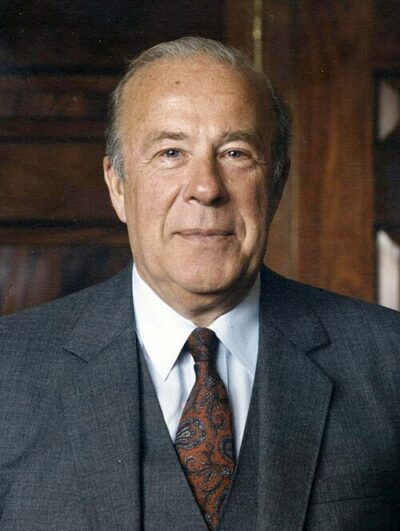 George Shultz (2008)American politician (1920–2021)
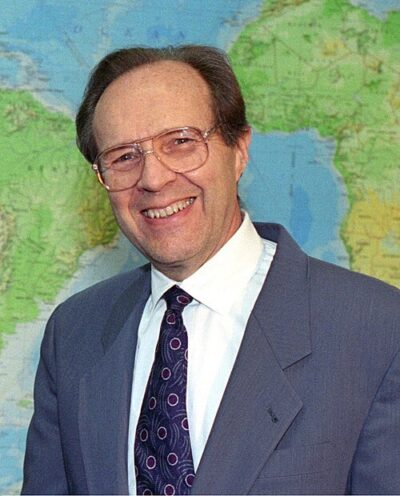 William Perry (2008)American mathematician and businessman, former Secretary of Defense
 Sam Nunn (2008)American lawyer and politician (born 1938)
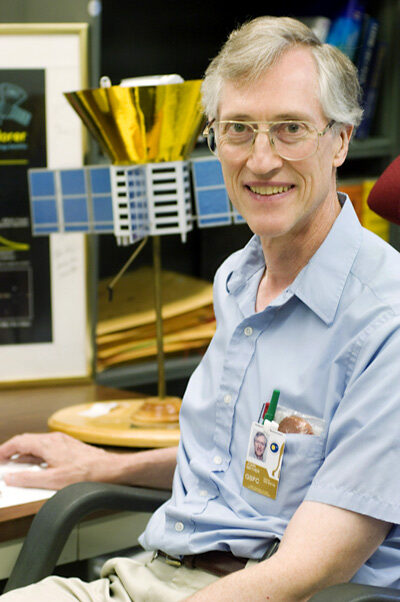 John C. Mather (1996)American astrophysicist and cosmologist
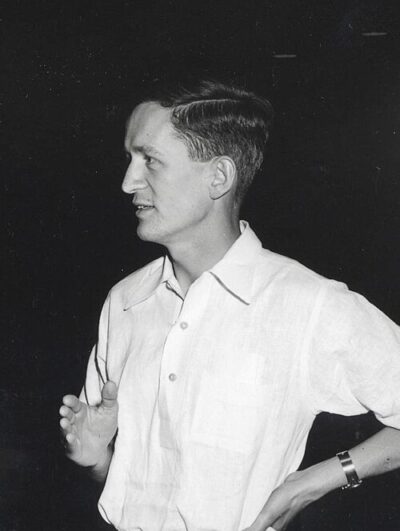 Norman Foster Ramsey (1985)American physicist (1915–2011)
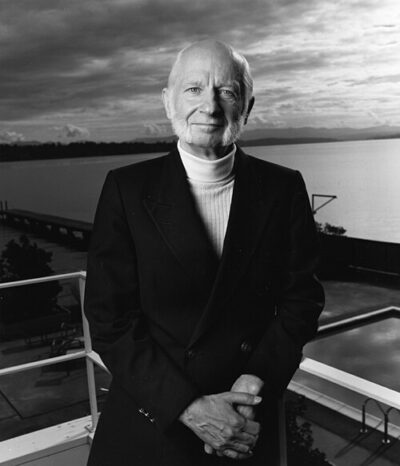 Hans Georg Dehmelt (1985)German physicist (1922-2017)
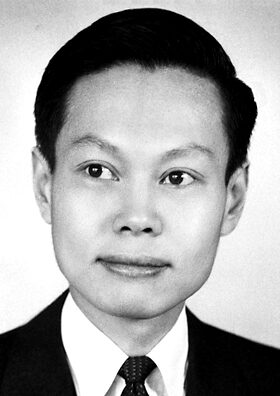 Chen-ning Yang (1980)Chinese physicist (1922–2025)
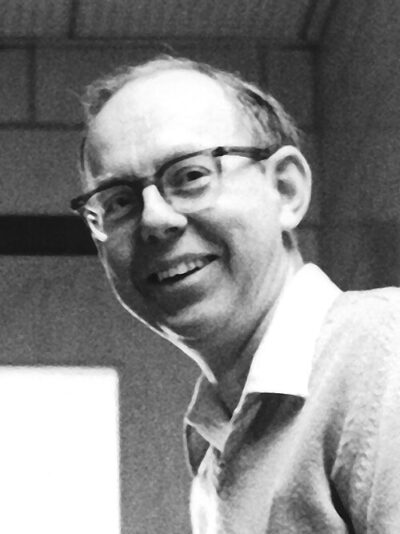 Robert Mills (1980)American physicist, co-author of the Yang-Mills theory
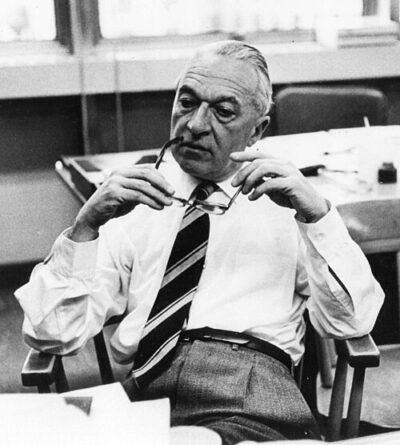 Bruno Rossi (1976)Italian experimental physicist (1905–1993)
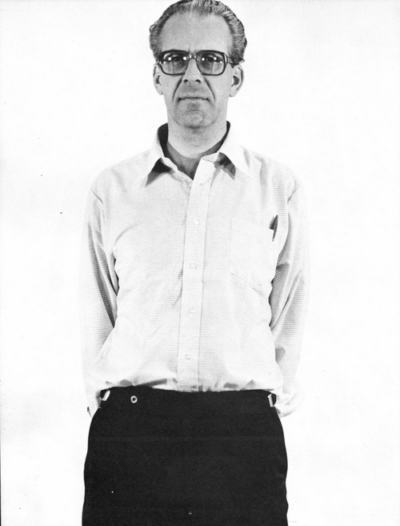 Maarten Schmidt (1968)Dutch astronomer (1929–2022)
- RRobert H. Dicke (1967)American astronomer (1916–1997)
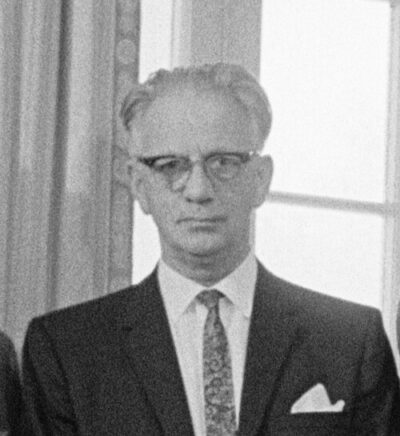 C. B. van Niel (1967)Dutch-American microbiologist (1897–1985)
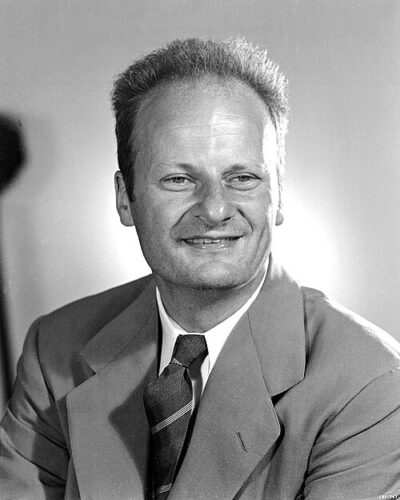 Hans Bethe (1963)German-American nuclear physicist
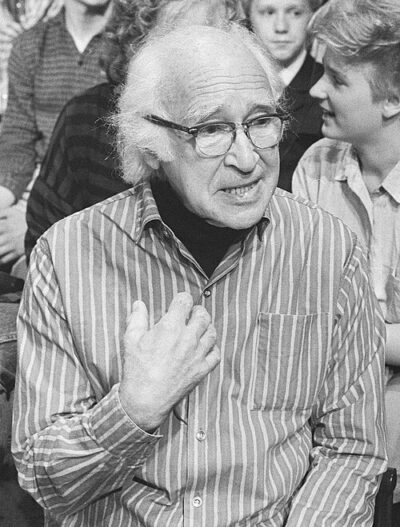 George Wald (1959)American biologist, biochemist, physiologist and Nobel laureate (1906–1997)
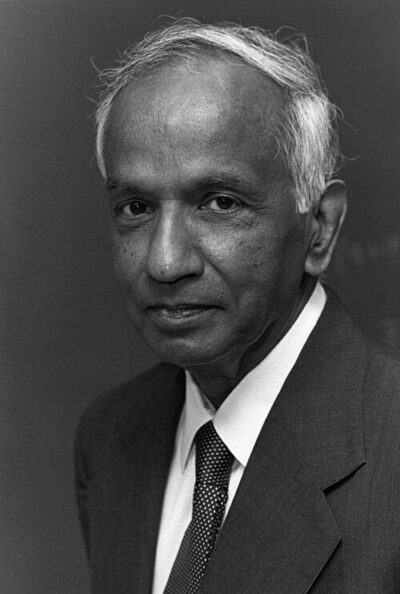 Subrahmanyan Chandrasekhar (1957)Indian-American astrophysicist
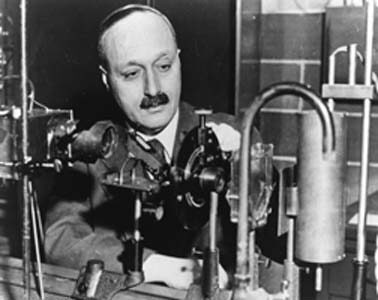 James Franck (1955)German-American physicist (1882–1964)
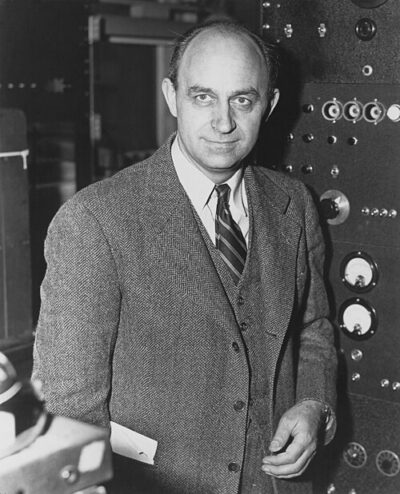 Enrico Fermi (1953)Italian-American physicist (1901–1954)
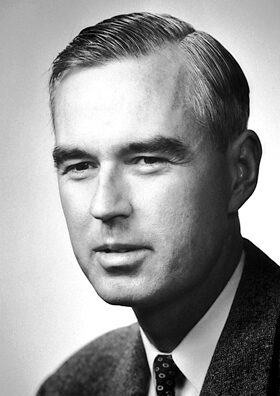 Willis Lamb (1953)American physicist (1913–2008)
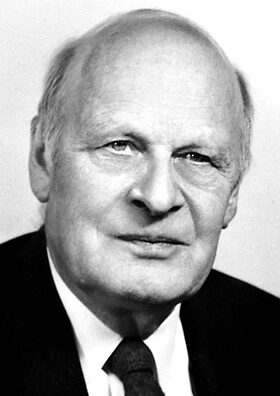 Lars Onsager (1953)American physical chemist and theoretical physicist (1903-1976)
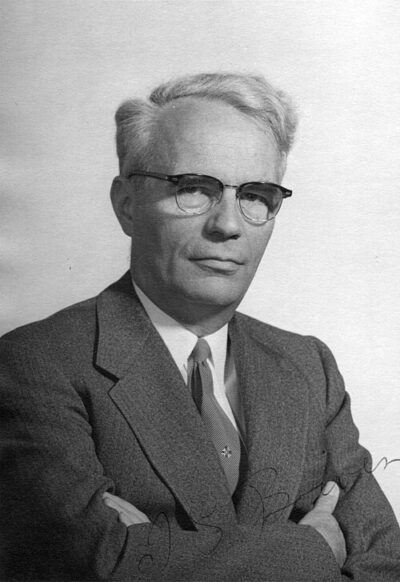 Ira S. Bowen (1949)American physicist and astronomer (1898–1973)
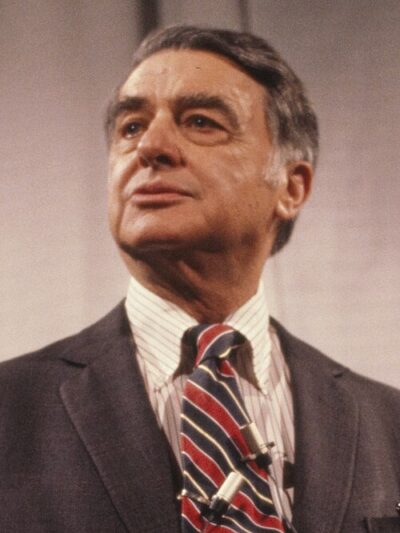 Edwin H. Land (1945)American scientist and inventor (1909–1991)
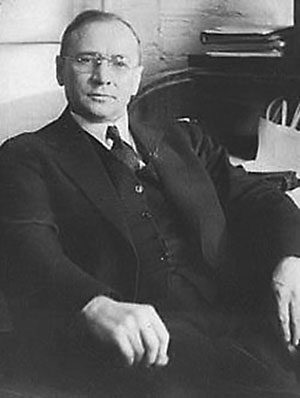 Vladimir K. Zworykin (1941)Russian-American engineer (1888–1982)
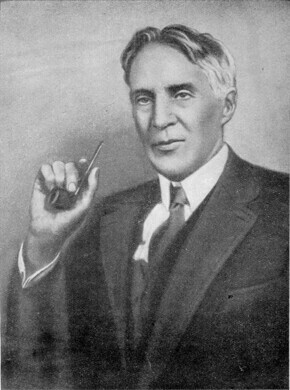 Robert W. Wood (1938)American physicist and inventor (1868–1955)
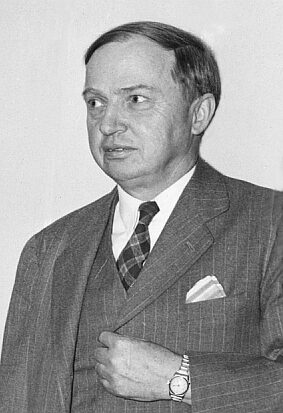 Harlow Shapley (1933)American astronomer (1885-1972)
and 22 more
