
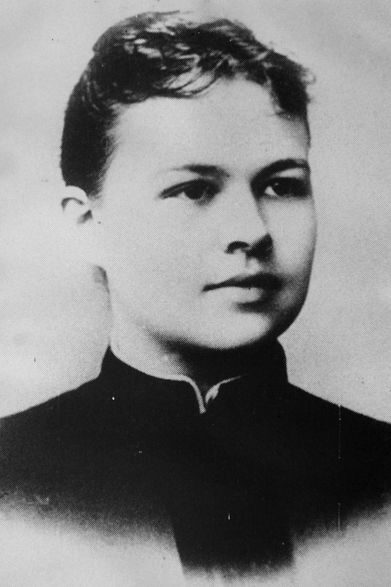
Elisabeth Hesselblad
Elisabeth Hesselblad was a Swedish religious foundress. Born June 4, 1870, in Fåglavik. Died April 24, 1957, in Rome. Awards include Righteous Among the Nations.
Facts
11 facts · 2 confirmed by two sources · 8 cited · 1 from one source
Where this comes from
Papalocal keeps its own record. It started from these sources; what each one said is kept here as it was copied, so a change on their side never changes this page by itself. Tap one to read its version.
What Wikidata says · copied November 16, 2026 · revision 2568457291
- Described as
- Swedish religious foundress (1870–1957)
- Other names
- Maria Elizabeth Hesselblad
- Born
- June 4, 1870 · 3 references
- Died
- April 24, 1957 · 3 references
- Born in
- Fåglavik · 1 reference
- Died in
- Rome · 1 reference
- Citizen of
- Sweden · 1 reference
- Occupation
- nurse; nun · 1 reference; founder of Catholic religious community · 1 reference; Christian nun · 1 reference
- Awards
- Righteous Among the Nations (2004) · 1 reference
- Religion
- Catholic Church · 1 reference
- Wikipedias with a page
- 29
Wikidata item Q435384 (wikidata.org/wiki/Q435384), public domain (CC0). Copied November 16, 2026.
What Wikipedia says · copied November 16, 2026 · revision 1382601951
Maria Elizabeth Hesselblad, OSsS (4 June 1870 – 24 April 1957), was a Swedish Catholic religious sister who founded a new, active branch of the Bridgettines known as the Bridgettine Sisters. She is recognised as a Righteous Among the Nations due to her efforts to save Jews during the Holocaust. Pope John Paul II beatified her on 9 April 2000 and Pope Francis canonised her 5 June 2016 at Saint Peter's Square.
- Born, in its opening lines
- June 4, 1870
- Died, in its opening lines
- April 24, 1957
From the Wikipedia article “Elizabeth Hesselblad” (en.wikipedia.org/wiki/Elizabeth_Hesselblad), by its contributors, under CC BY-SA 4.0 (creativecommons.org/licenses/by-sa/4.0/). Copied November 16, 2026; not changed.
Confirmed Two sources agree. Cited One source, and it names where it got it. One source One source, without a reference of its own. Sources disagree The sources disagree. We show the best-supported value and keep theirs below.
