Catholic Church
The Catholic Church is the largest Christian Church, made up of 24 autonomous Churches in communion with the Pope, part of the Latin Church aka Latin Christianity a.k.a. western Christianity. It was founded by Jesus Christ. Its headquarters are in Vatican City. It won the 'Verschlossene Auster' award.
- Founded
- 1st century
- Founded by
- Jesus Christ
- Headquarters
- Vatican City
- Country
- Vatican City
All 10 facts, and where they come from
Facts
10 facts · 0 confirmed by two sources · 1 cited · 8 from one source · 1 where the sources disagree
What’s different
- Founded: we show 1st century (Sources disagree). Wikidata also lists 33
Where this comes from
Papalocal keeps its own record. It started from these sources; what each one said is kept here as it was copied, so a change on their side never changes this page by itself. Tap one to read its version.
What Wikidata says · copied November 16, 2026 · revision 2555386640
- Described as
- largest Christian Church, made up of 24 autonomous Churches in communion with the Pope, part of the Latin Church aka Latin Christianity a.k.a. western Christianity
- Other names
- Roman Catholic Church, Roman Apostolic Catholic Church, Roman Rite Catholic Church
- What it is
- Christian denomination; historic Church; Christian Church
- Founded
- 1st century; 33
- Founded by
- Jesus Christ
- Headquarters
- Vatican City
- Country
- Vatican City · 1 reference
- Chair
- Leo XIV (2025–)
- Awards
- 'Verschlossene Auster' award (2010) · 1 reference
- Official website
- https://vatican.va
- Wikipedias with a page
- 208
Wikidata item Q9592 (wikidata.org/wiki/Q9592), public domain (CC0). Copied 2026-11-16.
What Wikipedia says · copied November 16, 2026 · revision 1383595332
The Catholic Church (Latin: Ecclesia Catholica), also called the Roman Catholic Church (Latin: Ecclesia Catholica Romana), is the largest Christian church, with an estimated 1.28 to 1.41 billion baptized members worldwide as of 2026. It consists of 24 autonomous (sui iuris) churches. The largest of these churches is the Latin Church. In addition to it, there are 23 smaller Eastern Catholic Churches. Together, the Latin Church and the Eastern Catholic churches are organized into nearly 3,500 dioceses and eparchies governed by bishops. Throughout history, the church has had a large role in the development of Western civilization. Catholic communities are present worldwide through missions, immigration, and conversions. The majority of Catholics live in the Global South, reflecting rapid demographic growth in Africa, Asia, and Latin America, as well as secularization in parts of Europe and North America.
Catholic doctrine is rooted in the Nicene Creed and holds that the church is the "one, holy, catholic and apostolic Church" founded by Jesus Christ. It teaches that bishops are the successors of the apostles and that the pope—the bishop of Rome—is the successor of Saint Peter the Apostle, entrusted with a unique and primary pastoral role. Leo XIV is the current pope, serving as the head of the church; the Diocese of Rome forms his local jurisdiction, while the Holy See serves as the church's central governing authority through the Roman Curia. Apostolic teaching is understood to be transmitted through Scripture and sacred tradition, interpreted by the magisterium, the church's teaching authority. Catholic liturgical life includes the Roman Rite, other rites of the Latin Church, and the liturgical traditions of the Eastern Catholic Churches. Religious orders, monastic communities, and lay movements contribute to a wide range of theological and devotional expressions within Catholicism globally.
Among the church's seven sacraments, the Eucharist is seen as the source and summit of the Christian life and is celebrated in the Mass. Catholics believe that through consecration by a priest, the bread and wine become the body and blood of Christ. The Virgin Mary is venerated as the Mother of God and honored through dogmas such as the Immaculate Conception, perpetual virginity, and the Assumption, as well as devotional practices. Catholic social teaching emphasizes care for the poor, the sick, and the marginalized. The church operates tens of thousands of educational, medical, and charitable institutions worldwide, making it the largest non-governmental provider of education and health care.
Its relations with other Christian traditions have been shaped by divisions. The separation between the church and Eastern Orthodox churches within the state Roman church developed gradually and was solidified by the Fourth Crusade, amid theological and political disputes, especially over papal authority. Earlier schisms occurred with the Church of the East after the Council of Ephesus (431) and with the Oriental Orthodox Churches following the Council of Chalcedon (451). The 16th-century Protestant Reformation led to new Christian traditions and prompted the Catholic Counter‑Reformation. Since the late 20th century, the church has faced criticism of its teachings on sexuality, clerical celibacy, the ordination of women, and its handling of clerical sexual abuse.
From the Wikipedia article “Catholic Church” (en.wikipedia.org/wiki/Catholic_Church), by its contributors, under CC BY-SA 4.0 (creativecommons.org/licenses/by-sa/4.0/). Copied 2026-11-16; not changed.
Confirmed Two sources agree. Cited One source, and it names where it got it. One source One source, without a reference of its own. Sources disagree The sources disagree. We show the best-supported value and keep theirs below.
Picture: Wikimedia Commons: Saint Peter's Basilica facade, Rome, Italy.jpg · See Commons file page
People connected 597
Religion 596
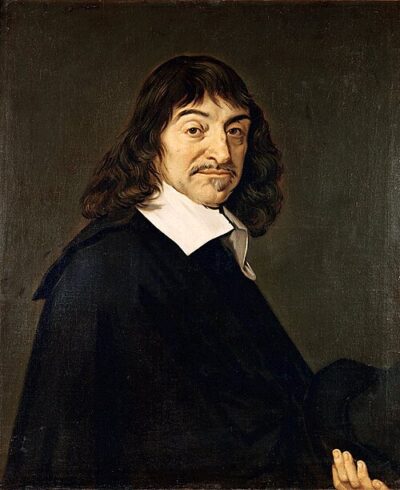 René DescartesFrench philosopher, mathematician, and scientist (1596–1650)
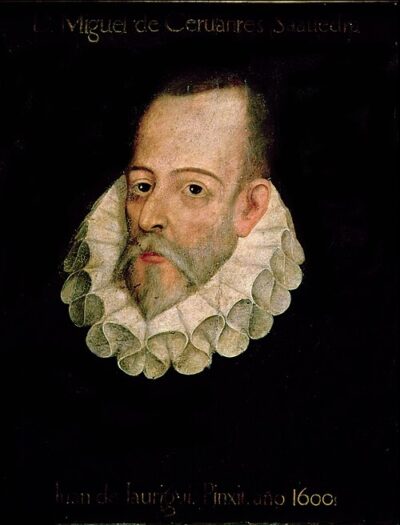 Miguel de CervantesSpanish novelist, poet, and playwright (1547-1616)
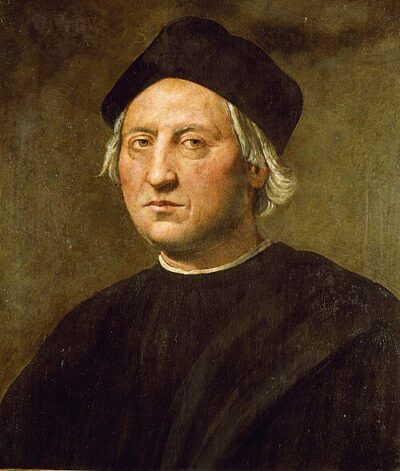 Christopher ColumbusItalian navigator, explorer, and colonist (1451–1506)
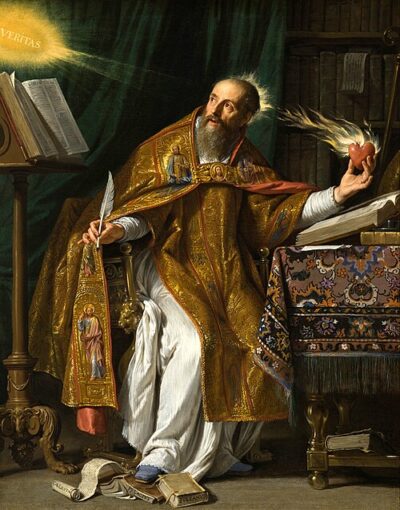 Augustine of HippoChristian theologian, philosopher, and saint (354–430)
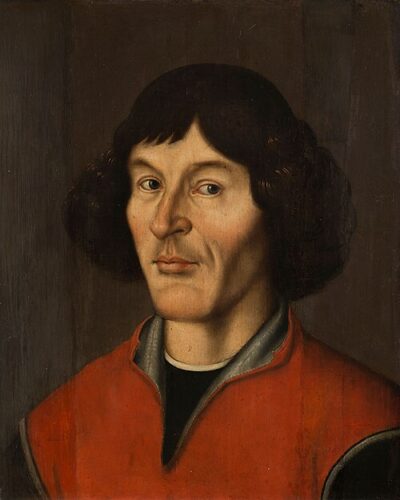 Nicolaus CopernicusPolish mathematician and astronomer (1473-1543)
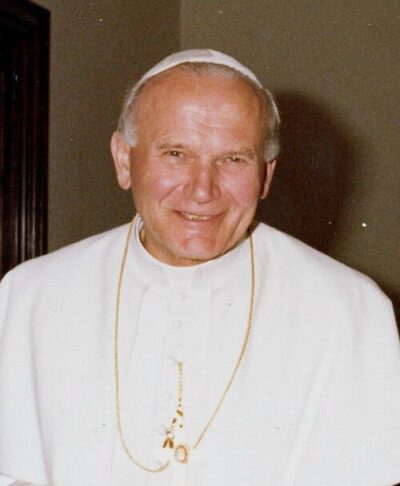 John Paul IIpope, cardinal, bishop, priest, author
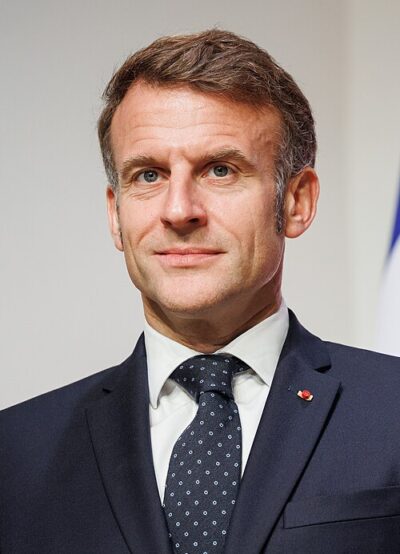 Emmanuel Macron (1990–)President of France and Co-Prince of Andorra since 2017
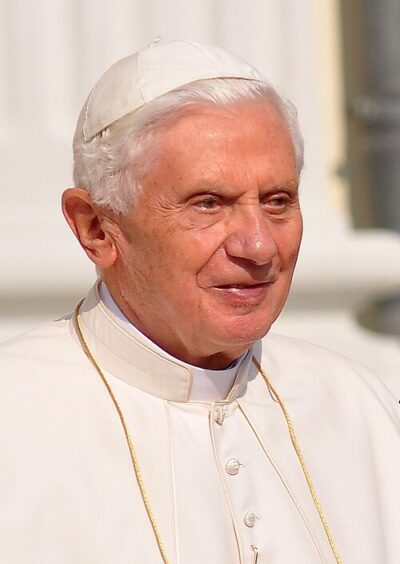 Benedict XVI265 th pope of the Catholic Church (2005–2013)
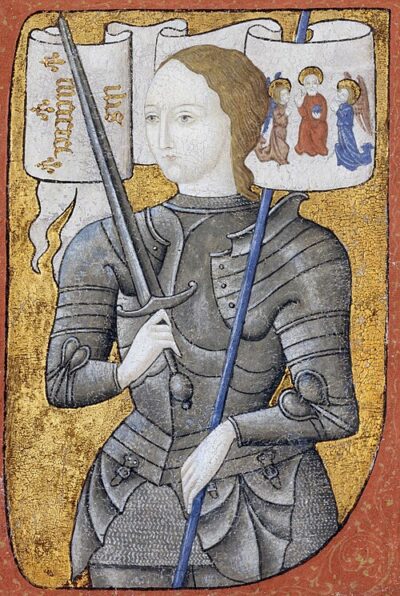 Joan of ArcFrench folk heroine (1412–1431), military leader who crowned Charles VII and Roman Catholic saint, canonized 500 years after her death
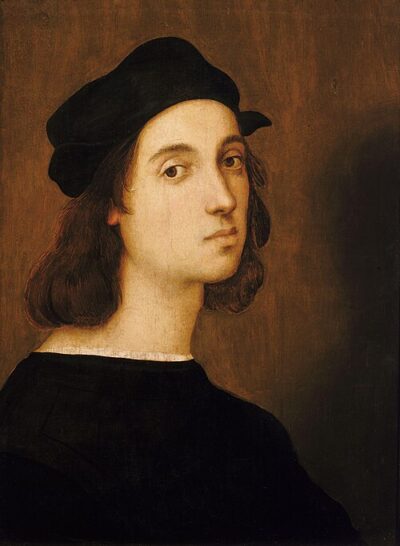 RaphaelItalian painter and architect (1483–1520)
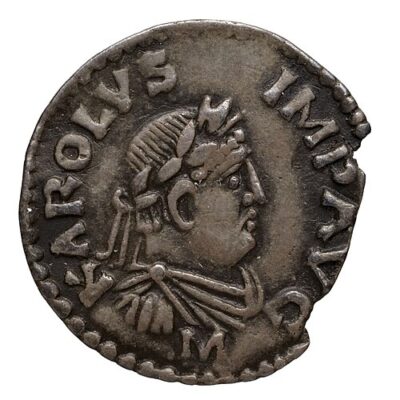 Charlemagneking of Franks, regarded as the first Holy Roman Emperor (747–814) (742-814)
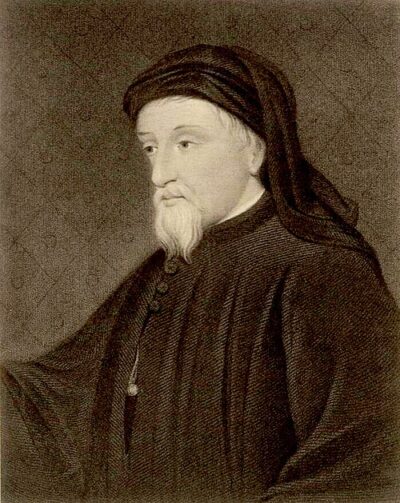 Geoffrey Chaucer14th century English poet and author (1343–1400)
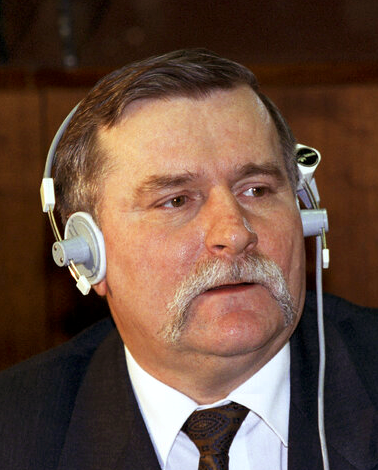 Lech WałęsaPresident of Poland from 1990 to 1995 (born 1943)
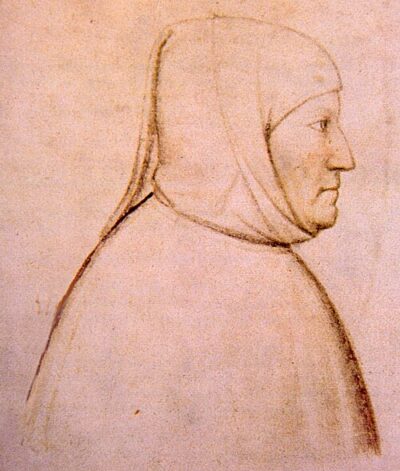 PetrarchItalian scholar and poet (1304-1374)
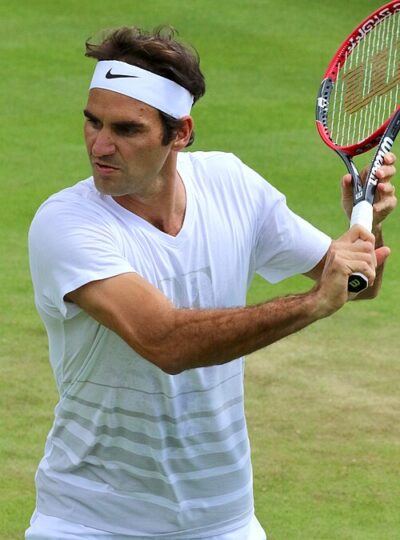 Roger FedererSwiss tennis player (born 1981)
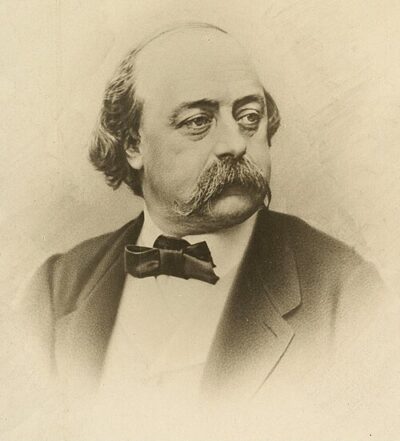 Gustave FlaubertFrench novelist (1821–1880)
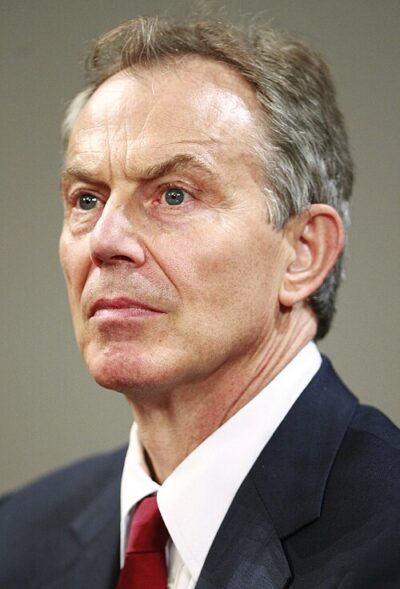 Tony Blair (2007–)Prime Minister of the United Kingdom from 1997 to 2007
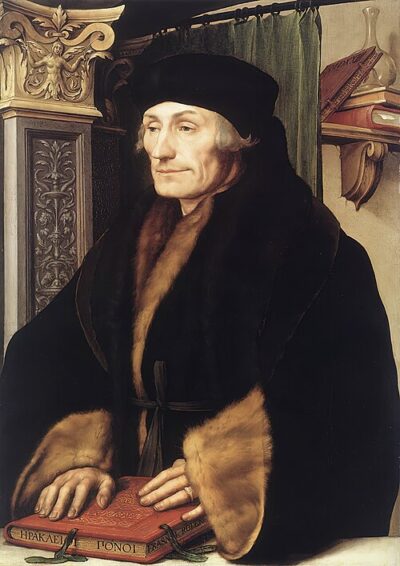 ErasmusDutch Renaissance humanist, Catholic priest, and theologian (1466-1536)
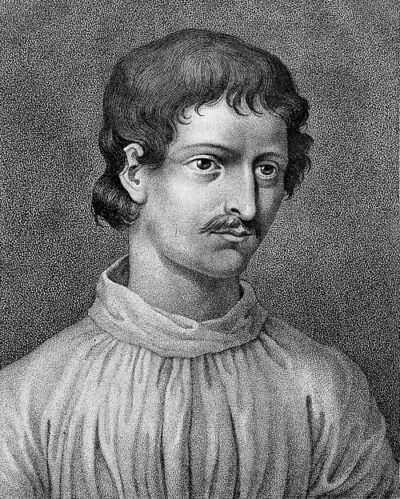 Giordano BrunoItalian Dominican friar, philosopher and mathematician (1548–1600)
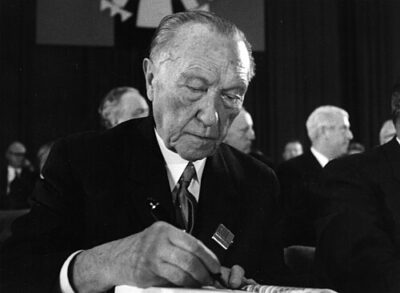 Konrad AdenauerGerman politician, Chancellor of West Germany (1949–1963), Zentrum and CDU
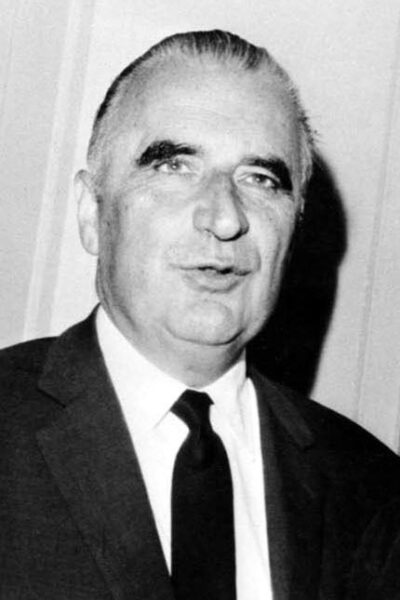 Georges PompidouPresident of France from 1969 to 1974
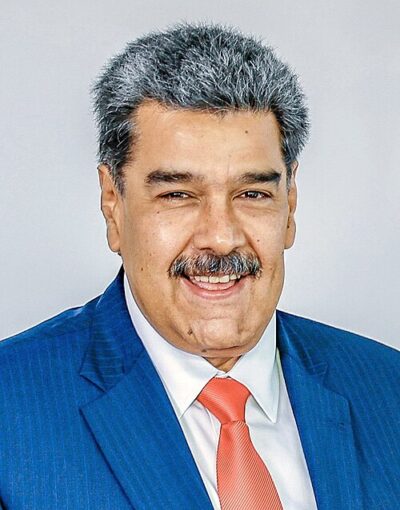 Nicolás MaduroVenezuelan politician
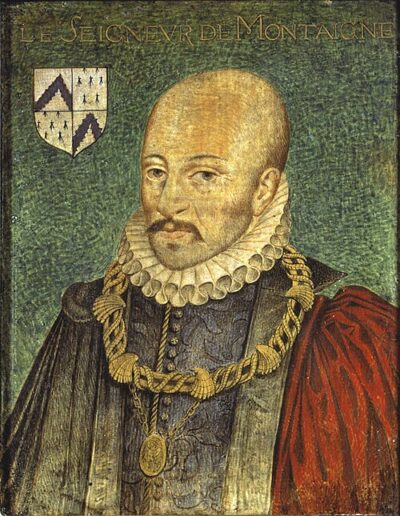 Michel de MontaigneFrench author, philosopher, and statesman (1533–1592)
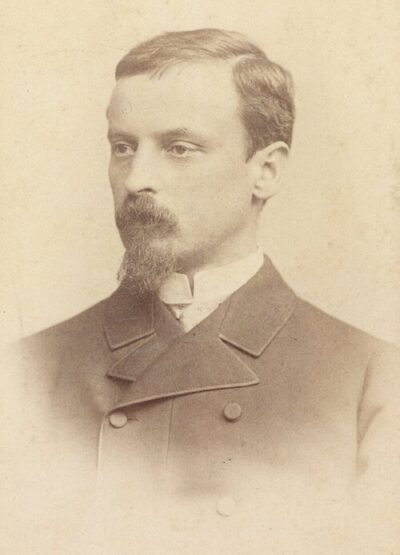 Henryk SienkiewiczPolish writer, novelist, journalist, philanthropist and Nobel Prize laureate (1846–1916)
and 572 more