
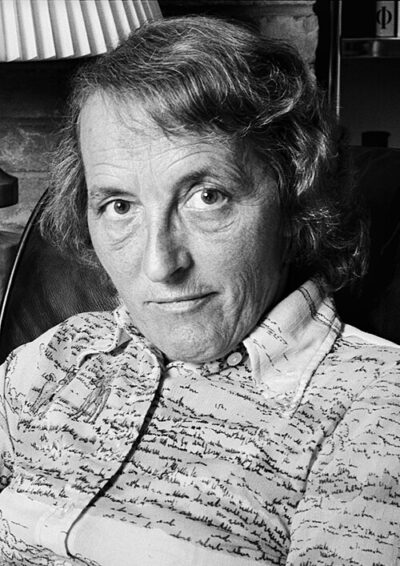
Elisabeth Kübler-Ross
Elisabeth Kübler-Ross was a Swiss-American psychiatrist and pioneer in near-death studies. Born July 8, 1926, in Zurich. Died August 24, 2004, in Scottsdale. Known for On Death and Dying. Educated at University of Zurich and University of Colorado Denver Department of Medicine. Awards include National Women's Hall of Fame, honorary doctor of the University of Miami and Ladies' Home Journal Women of the Year.
Facts
27 facts · 2 confirmed by two sources · 10 cited · 15 from one source
Where this comes from
Papalocal keeps its own record. It started from these sources; what each one said is kept here as it was copied, so a change on their side never changes this page by itself. Tap one to read its version.
What Wikidata says · copied November 13, 2026 · revision 2567481828
- Described as
- Swiss-American psychiatrist and pioneer in near-death studies (1926-2004)
- Other names
- Elisabeth Kuebler-Ross, Kübler-Ross, Elisabeth, E. Kübler-Ross
- Born
- July 8, 1926 · 9 references
- Died
- August 24, 2004 · 8 references
- Born in
- Zurich · 2 references
- Died in
- Scottsdale · 1 reference
- Buried in
- Paradise Memorial Gardens · 1 reference
- Citizen of
- United States; Switzerland
- Occupation
- psychiatrist · 1 reference; essayist; writer · 1 reference; hospice; palliative care; physician · 1 reference
- Worked for
- University of Chicago
- Education
- University of Zurich; University of Colorado Denver Department of Medicine
- Known for
- On Death and Dying
- Awards
- National Women's Hall of Fame (2007) · 1 reference; honorary doctor of the University of Miami (1976) · 1 reference; Ladies' Home Journal Women of the Year (1977) · 1 reference
- Field
- palliative care; essay; near death experience; mourning; hospice
- Children
- Ken Ross
- Religion
- reformed · 1 reference
- Wikipedias with a page
- 50
Wikidata item Q123811 (wikidata.org/wiki/Q123811), public domain (CC0). Copied November 13, 2026.
What Wikipedia says · copied November 13, 2026 · revision 1376379353
Elisabeth Kübler-Ross (born Elisabeth Kübler, Swiss Standard German: [ˈkyːblər]; July 8, 1926 – August 24, 2004) was a Swiss and American psychiatrist, a pioneer in near-death studies, author, and developer of the five stages of grief, also known as the "Kübler-Ross model".
In 1970, Kübler-Ross delivered the Ingersoll Lecture at Harvard University, focusing on her book, On Death and Dying (1969). By July 1982, Kübler-Ross had taught 125,000 students in death and dying courses in colleges, seminaries, medical schools, hospitals, and social-work institutions. In 1999, the New York Public Library named On Death and Dying one of its "Books of the Century", and Time magazine recognized her as one of the "100 Most Important Thinkers" of the 20th century. Throughout her career, Kübler-Ross received over 100 awards, including twenty honorary degrees, and was inducted into the National Women's Hall of Fame in 2007. In 2024, Simon & Schuster released a list of their 100 most notable books, including Kübler-Ross's On Death & Dying.
- Born, in its opening lines
- July 8, 1926
- Died, in its opening lines
- August 24, 2004
From the Wikipedia article “Elisabeth Kübler-Ross” (en.wikipedia.org/wiki/Elisabeth_Kübler-Ross), by its contributors, under CC BY-SA 4.0 (creativecommons.org/licenses/by-sa/4.0/). Copied November 13, 2026; not changed.
Confirmed Two sources agree. Cited One source, and it names where it got it. One source One source, without a reference of its own. Sources disagree The sources disagree. We show the best-supported value and keep theirs below.
