

University of Chicago
The University of Chicago is a private university in Chicago, Illinois. It was founded in 1890 by John D. Rockefeller, the American Baptist Education Society and Silas B. Cobb. It has 2,350 employees. 18,504 students study there (2023).
- Located in
- Chicago
- Country
- United States
- Founded
- 1890
- Students
- 18,504 (2023)
- What it is
- private university
All 16 facts, and where they come from
Facts
16 facts · 0 confirmed by two sources · 5 cited · 11 from one source
Where this comes from
Papalocal keeps its own record. It started from these sources; what each one said is kept here as it was copied, so a change on their side never changes this page by itself. Tap one to read its version.
What Wikidata says · copied November 16, 2026 · revision 2568350785
- Described as
- private university in Chicago, Illinois
- Other names
- U Chicago, UChicago, uchicago.edu, U of C, Chicago University, Univ. of Chicago, Chicago
- What it is
- private university; private not-for-profit educational institution · 1 reference; research university
- Founded
- 1890
- Founded by
- John D. Rockefeller; American Baptist Education Society; Silas B. Cobb; Charles L. Hutchinson
- Headquarters
- Chicago · 1 reference
- Located in
- Chicago
- Country
- United States · 1 reference
- Industry
- higher education
- Chair
- Robert Zimmer
- Employees
- 2,350 · 1 reference
- Students
- 18,504 (2023) · 1 reference
- Official website
- https://uchicago.edu/ · 1 reference
- Wikipedias with a page
- 87
Wikidata item Q131252 (wikidata.org/wiki/Q131252), public domain (CC0). Copied 2026-11-16.
What Wikipedia says · copied November 16, 2026 · revision 1385588850
The University of Chicago (UChicago, Chicago, UChi, or U of C) is a private research university in the Hyde Park community area of Chicago, Illinois, United States.
The university is composed of an undergraduate college and four graduate research divisions: the Arts & Humanities Division, the Biological Sciences Division, the Physical Sciences Division, and the Social Sciences Division, all of which include various organized departments and institutes. In addition, the university operates seven professional schools in the fields of business, social work, theology, public policy, law, medicine, and molecular engineering, along with a school of continuing studies. The university maintains an overseas campus in Hong Kong, as well as academic centers in London, Paris, Beijing, Delhi, Luxor, and downtown Chicago.
University of Chicago scholars have played a role in the development of many academic disciplines, including economics, law, literary criticism, mathematics, physics, religion, sociology, and political science, establishing the Chicago schools of thought in various fields. The university's Metallurgical Laboratory produced the world's first human-made, self-sustaining nuclear reaction in Chicago Pile-1 beneath the viewing stands of the university's Stagg Field. Advances in chemistry led to the "radiocarbon revolution" in the carbon-14 dating of ancient life and objects. The university operates and administers research institutions including Fermi National Accelerator Laboratory and Argonne National Laboratory. The University of Chicago Press is the largest university press in North America.
As of 2026, the university's students, faculty, and staff have included 102 Nobel laureates. The university's faculty members and alumni also include 11 Fields Medalists, 4 Turing Award winners, 2 Dan David Prize winners, 58 MacArthur Fellows, 30 Marshall Scholars, 56 Rhodes Scholars, 29 Pulitzer Prize winners, 20 National Humanities Medalists, and 6 Olympic medalists.
From the Wikipedia article “University of Chicago” (en.wikipedia.org/wiki/University_of_Chicago), by its contributors, under CC BY-SA 4.0 (creativecommons.org/licenses/by-sa/4.0/). Copied 2026-11-16; not changed.
Confirmed Two sources agree. Cited One source, and it names where it got it. One source One source, without a reference of its own. Sources disagree The sources disagree. We show the best-supported value and keep theirs below.
Picture: Wikimedia Commons: Campus Spring.jpg · See Commons file page
People connected 381
Studied here 217
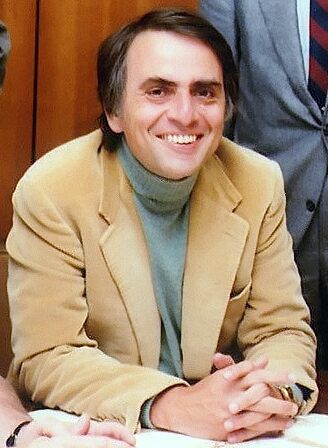 Carl Sagan (1955–1960)American astrophysicist, cosmologist and author (1934–1996)
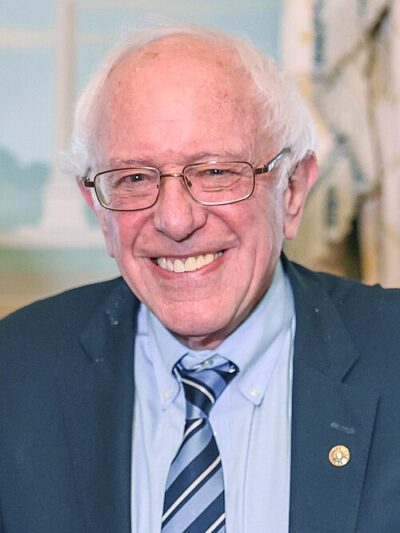 Bernie Sanders (–1964)United States Senator from Vermont
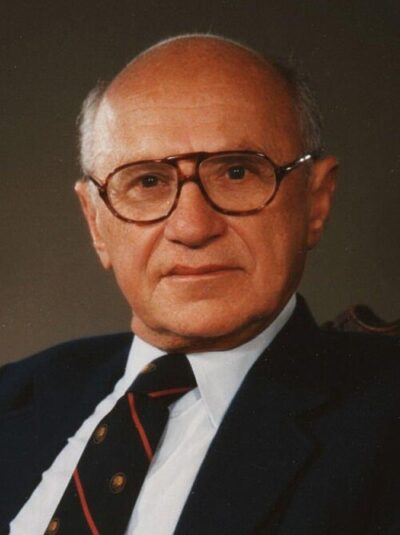 Milton Friedman (–1933)American economist and statistician (1912–2006)
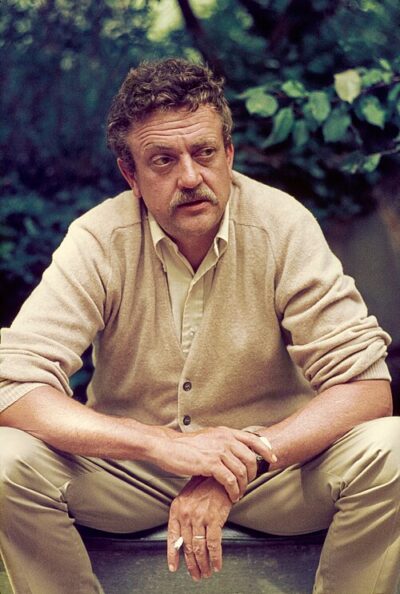 Kurt VonnegutAmerican author (1922–2007)
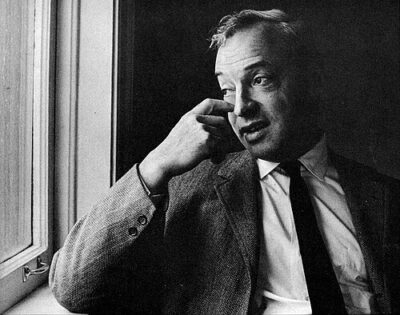 Saul Bellow (1933–)Canadian-American writer (1915–2005)
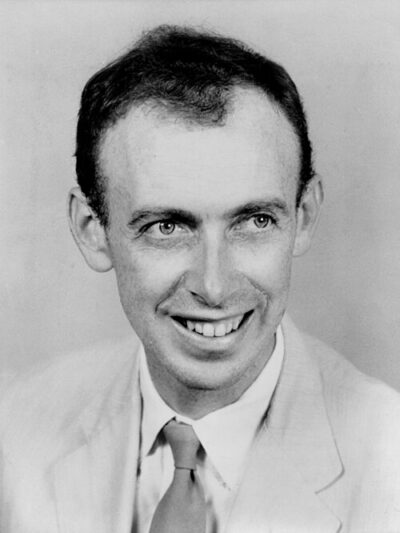 James Watson (1943–1947)American molecular biologist, geneticist, zoologist and Nobel Laureate (1928–2025)
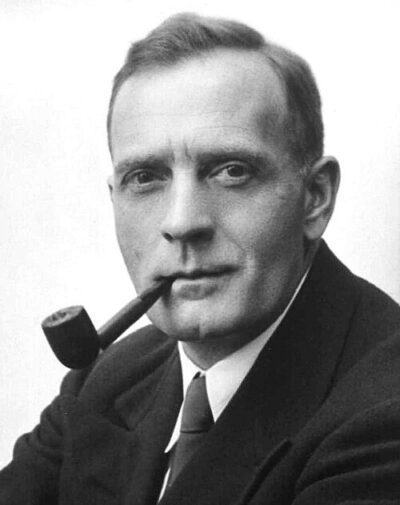 Edwin HubbleAmerican astronomer (1889–1953)
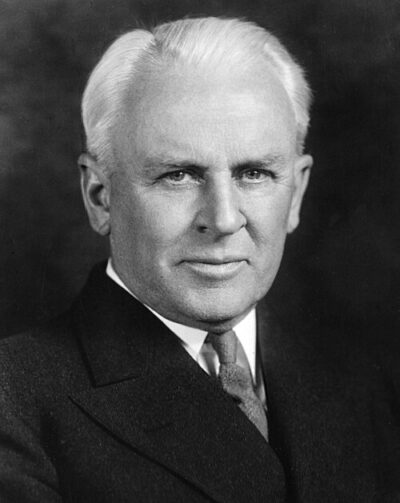 Robert Andrews MillikanAmerican physicist (1868–1953)
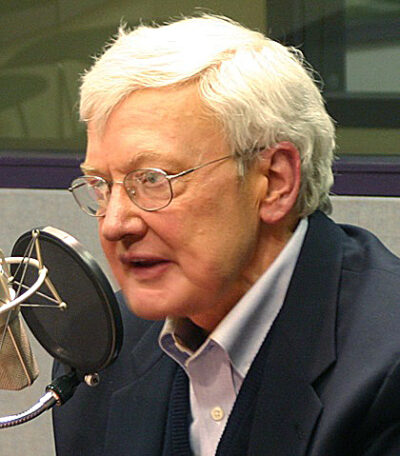 Roger EbertAmerican film critic and author (1942–2013)
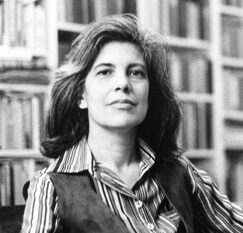 Susan Sontag (1951)American writer and filmmaker, professor, and activist (1933–2004)
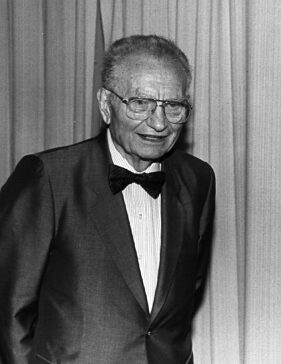 Paul Samuelson (–1935)American economist (1915–2009)
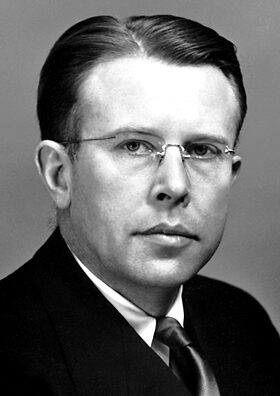 Ernest LawrenceAmerican nuclear physicist (1901–1958)
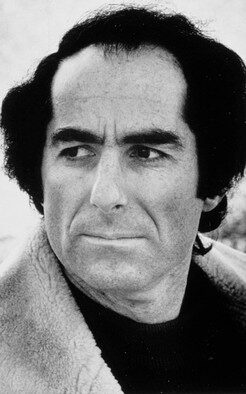 Philip Roth (1955–)American novelist (1933–2018)
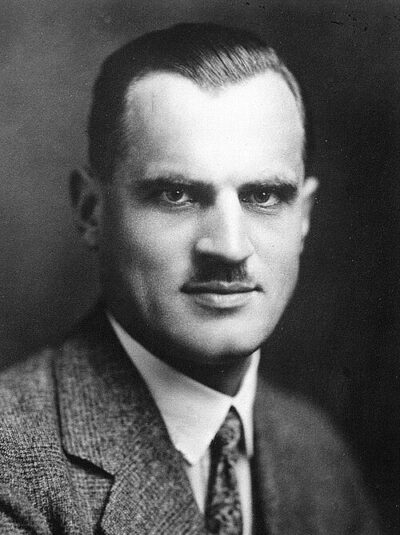 Arthur Holly ComptonAmerican physicist (1892–1962)
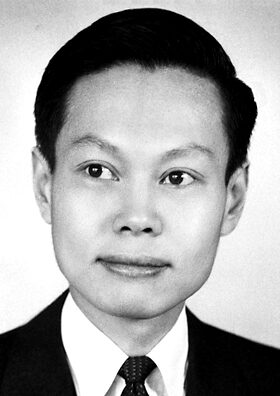 Chen-ning Yang (1946–1948)Chinese physicist (1922–2025)
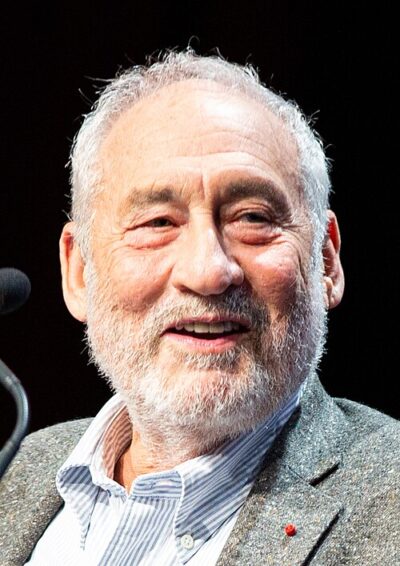 Joseph StiglitzAmerican economist, professor, and recipient of the Nobel Memorial Prize in Economics
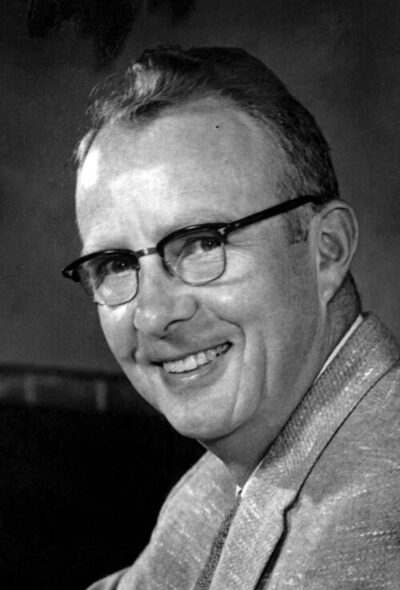 Luis Walter AlvarezAmerican experimental physicist, inventor, and professor (1911–1988)
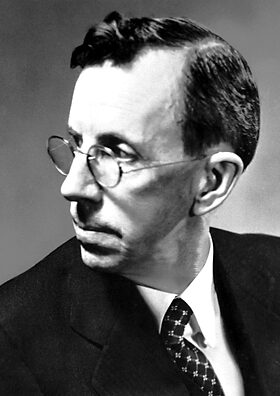 Clinton DavissonAmerican physicist (1881-1958)
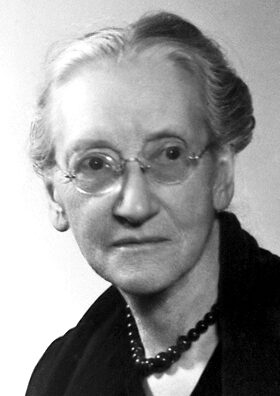 Emily Greene BalchAmerican economist and writer
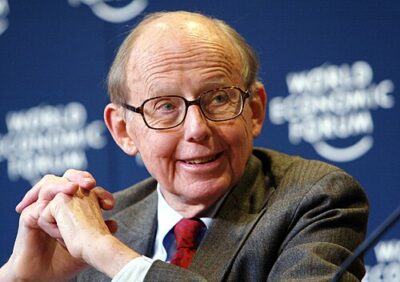 Samuel P. HuntingtonAmerican political scientist (1927–2008)
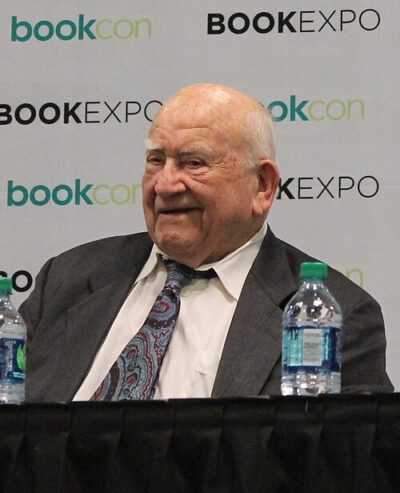 Ed AsnerAmerican actor (1929–2021)
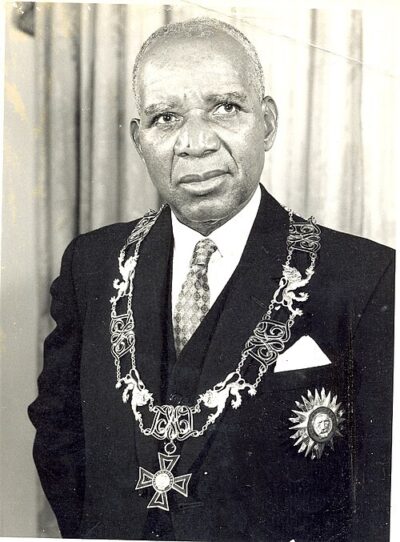 Hastings BandaFirst president of Malawi
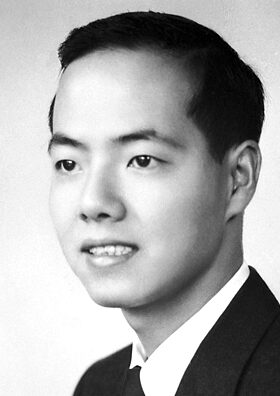 Tsung-Dao LeeChinese-American physicist (1926–2024)
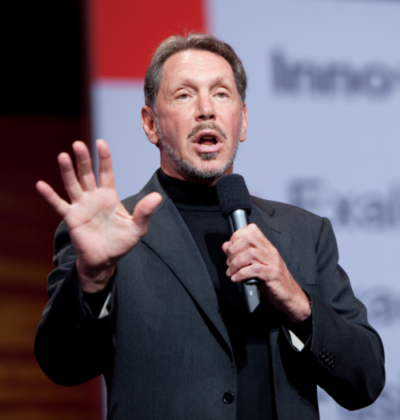 Larry Ellison (1964–1966)American internet entrepreneur and businessman (born 1944)
and 193 more
Worked here 211
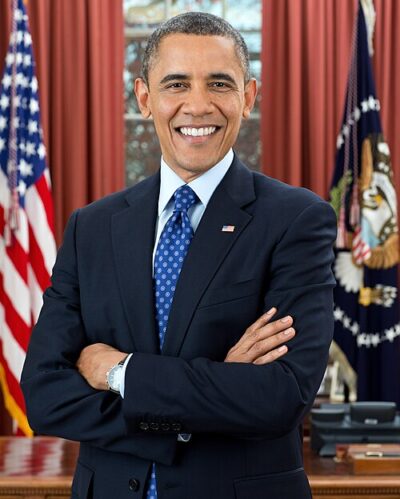 Barack Obama44th President of the United States (2009–2017)
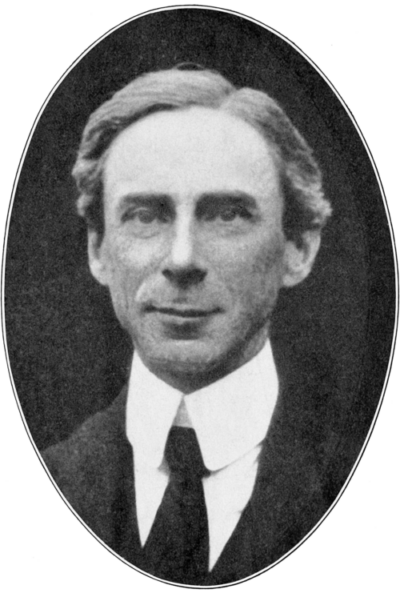 Bertrand Russell (1938–1939)British philosopher and logician (1872–1970)
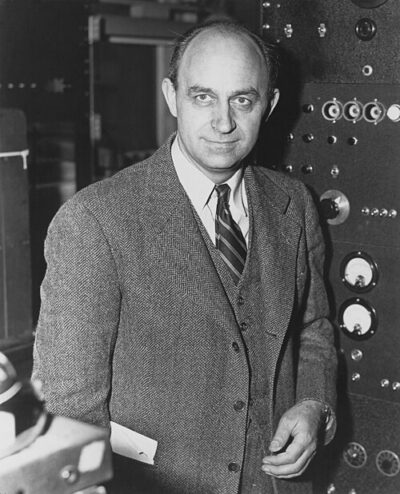 Enrico Fermi (1942–1954)Italian-American physicist (1901–1954)
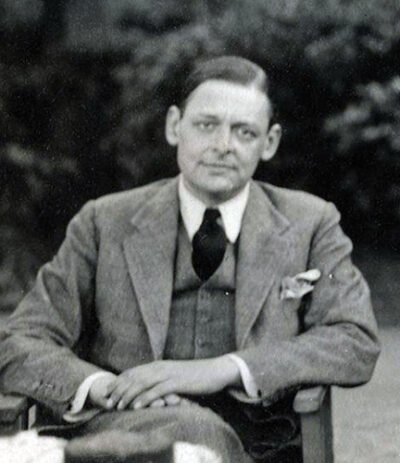 T. S. EliotUS-British poet (1888–1965)
- Milton FriedmanAmerican economist and statistician (1912–2006)
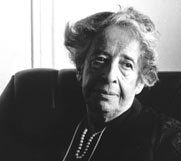 Hannah Arendt (1963–1967)German-American political theorist and philosopher (1906–1975)
- Kurt VonnegutAmerican author (1922–2007)
- Saul BellowCanadian-American writer (1915–2005)
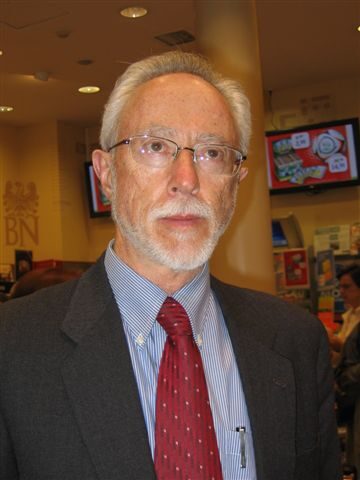 J. M. CoetzeeSouth African and Australian writer and scholar (born 1940)
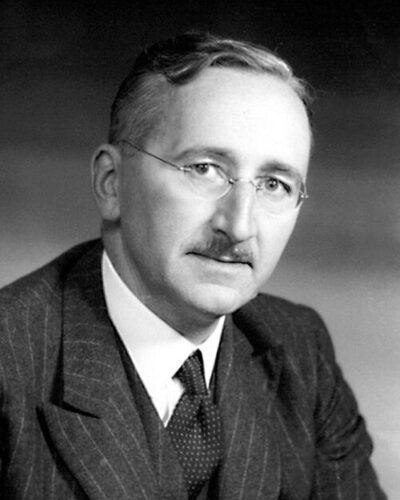 Friedrich HayekAustrian and British economist (1899–1992)
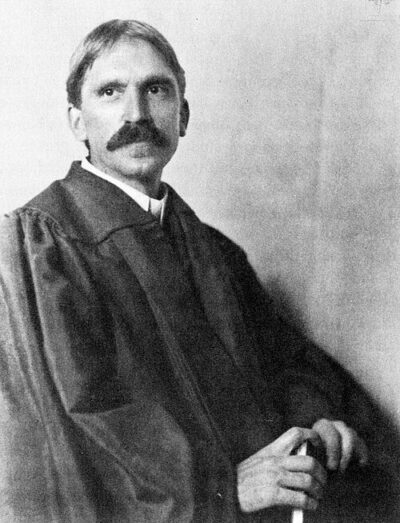 John DeweyAmerican philosopher, psychologist, and educational reformer (1859–1952)
- Robert Andrews MillikanAmerican physicist (1868–1953)
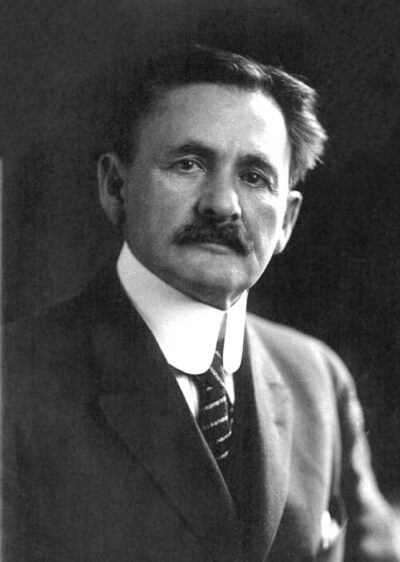 Albert Abraham MichelsonAmerican physicist (1852–1931)
- Roger EbertAmerican film critic and author (1942–2013)
- Paul SamuelsonAmerican economist (1915–2009)
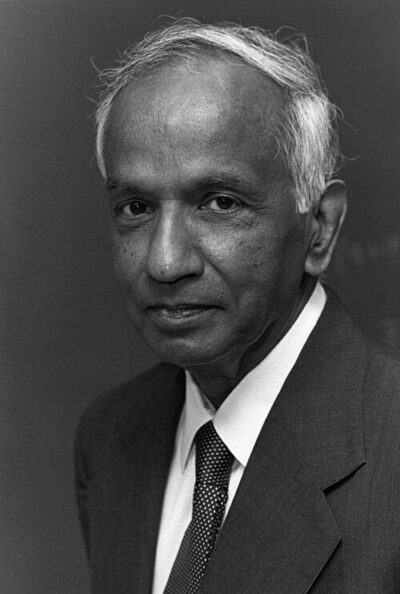 Subrahmanyan Chandrasekhar (1942–1985)Indian-American astrophysicist
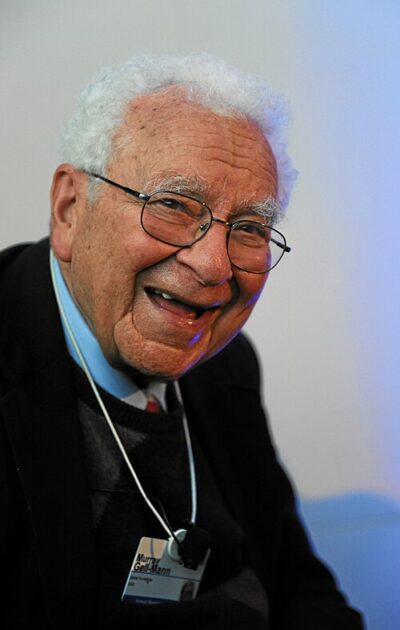 Murray Gell-MannAmerican physicist (1929–2019)
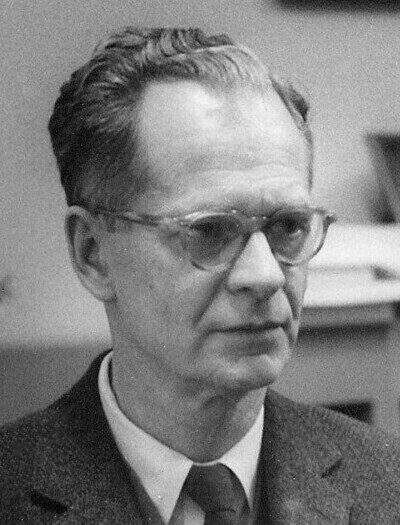 B.F. SkinnerAmerican behaviorist (1904–1990)
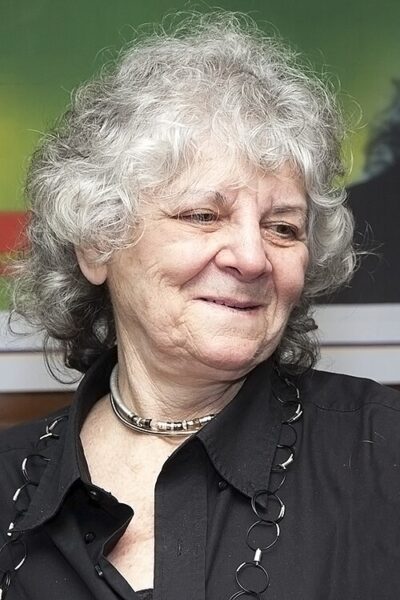 Ada YonathIsraeli structural biologist and Nobel laureate (1939–2026)
- Arthur Holly ComptonAmerican physicist (1892–1962)
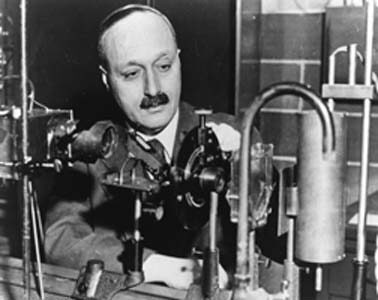 James FranckGerman-American physicist (1882–1964)
- Chen-ning YangChinese physicist (1922–2025)
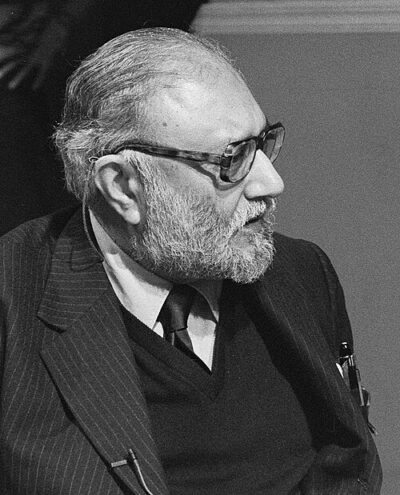 Abdus Salamtheoretical physicist, and Nobel Prize in Physics recipient
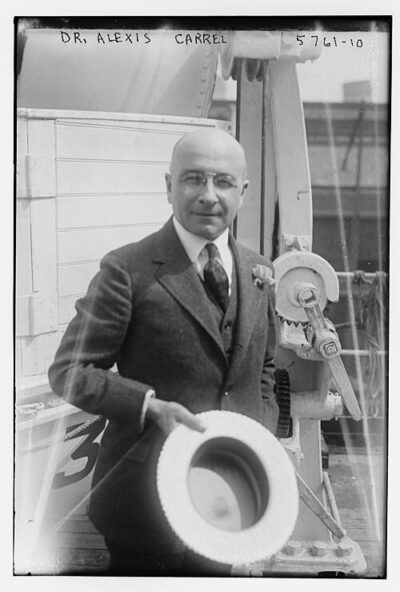 Alexis Carrel (1904–1906)French surgeon and biologist
and 187 more
