
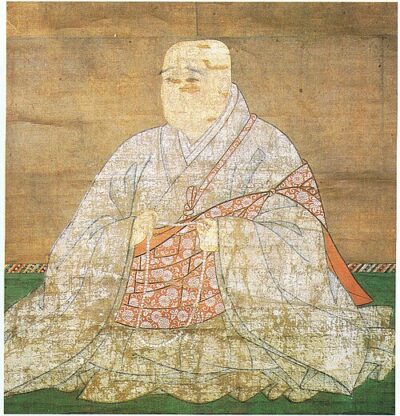
Emperor Go-Shirakawa
Emperor Go-Shirakawa was the 77th emperor of Japan. Born October 18, 1127, in Kyoto. Died April 26, 1192, in Kyoto. Positions held include Emperor of Japan (1155–1158). Known for Ryōjin Hishō.
Facts
39 facts · 2 confirmed by two sources · 0 cited · 37 from one source
Where this comes from
Papalocal keeps its own record. It started from these sources; what each one said is kept here as it was copied, so a change on their side never changes this page by itself. Tap one to read its version.
What Wikidata says · copied November 16, 2026 · revision 2556125463
- Described as
- 77th emperor of Japan (1155–58)
- Other names
- Go-Shirakawa-tennō
- Born
- October 18, 1127 · 1 reference
- Died
- April 26, 1192
- Born in
- Kyoto
- Died in
- Kyoto
- Buried in
- Hōjū-ji Temple
- Citizen of
- Japan
- Occupation
- emperor
- Positions held
- Emperor of Japan (1155–1158)
- Known for
- Ryōjin Hishō
- Spouse
- Fujiwara no Kinshi; Taira no Shigeko; Fujiwara no Seishi; Fujiwara no Ishi; Sanjō Sōshi; Bōmon-dono
- Children
- Nijō; Ryōshi-naishinnō; Kōshi-naishinnō; Shikishi-naishinnō; Shukaku-hosshinnō; Prince Mochihito; En'e-hosshinnō; Kyūshi-naishinnō; Junshi-naishinnō; Takakura; Jōe-hosshinnō; Kinshi-naishinnō
- Father
- Emperor Toba
- Mother
- Fujiwara no Tamako
- Siblings
- Muneko-naishinnō; Shushi-naishinnō; Akiko-naishinnō; Kenshi-naishinnō; Shōshi-naishinnō; Kakushō-nyūdōshinnō; Kakukai-hosshinnō; Emperor Sutoku; Emperor Konoe; Kimihito-shinnō · 1 reference
- Wikipedias with a page
- 37
Wikidata item Q317984 (wikidata.org/wiki/Q317984), public domain (CC0). Copied November 16, 2026.
What Wikipedia says · copied November 16, 2026 · revision 1382211573
Emperor Go-Shirakawa (後白河天皇, Go-Shirakawa-tennō; October 18, 1127 – April 26, 1192) was the 77th emperor of Japan, according to the traditional order of succession. His de jure reign spanned the years from 1155 through 1158, though arguably he effectively maintained imperial power for almost thirty-seven years through the insei system – scholars differ as to whether his rule can be truly considered part of the insei system, given that the Hōgen Rebellion undermined the imperial position. However, it is broadly acknowledged that by politically outmaneuvering his opponents, he attained greater influence and power than the diminished authority of the emperor's position during this period would otherwise allow.
Posthumously, this 12th-century sovereign was named after the 11th-century Emperor Shirakawa. Go- (後), translates literally as "later"; and thus, he is sometimes called the "Later Emperor Shirakawa", or in some older sources, may be identified as "Shirakawa, the second" or as "Shirakawa II".
Unusually, the years of Go-Shirakawa's reign are more specifically identified by more than one era name or nengō; Kyūju (1154–1156) and Hōgen (1156–1159).
He was de facto the last true emperor, before the shogun became the actual head of the country after Go-Shirakawa's death in 1192 until the Meiji Restoration in 1868.
- Born, in its opening lines
- October 18, 1127
- Died, in its opening lines
- April 26, 1192
From the Wikipedia article “Emperor Go-Shirakawa” (en.wikipedia.org/wiki/Emperor_Go-Shirakawa), by its contributors, under CC BY-SA 4.0 (creativecommons.org/licenses/by-sa/4.0/). Copied November 16, 2026; not changed.
Confirmed Two sources agree. Cited One source, and it names where it got it. One source One source, without a reference of its own. Sources disagree The sources disagree. We show the best-supported value and keep theirs below.
