Emperor of Japan
The Emperor of Japan is a head of state of Japan.
All 5 facts, and where they come from
Facts
5 facts · 0 confirmed by two sources · 0 cited · 5 from one source
Where this comes from
Papalocal keeps its own record. It started from these sources; what each one said is kept here as it was copied, so a change on their side never changes this page by itself. Tap one to read its version.
What Wikidata says · copied November 17, 2026 · revision 2548946003
- Described as
- head of state of Japan
- Other names
- Tennō, Mikado
- What it is
- hereditary title; hereditary position
- Country
- Japan
- Office of
- Japan
- Official website
- http://www.kunaicho.go.jp/eindex.html · 1 reference
- Wikipedias with a page
- 85
Wikidata item Q208233 (wikidata.org/wiki/Q208233), public domain (CC0). Copied 2026-11-17.
What Wikipedia says · copied November 17, 2026 · revision 1384420516
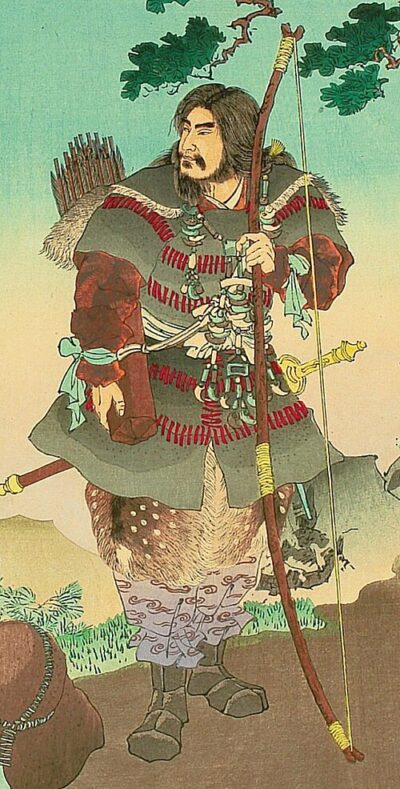
The Emperor of Japan is the hereditary monarch and head of state of Japan. The emperor is defined by the Constitution of Japan as the symbol of the Japanese state and the unity of the Japanese people, his position deriving from "the will of the people with whom resides sovereign power". The Imperial Household Law governs the line of imperial succession. Pursuant to his constitutional role as a national symbol, and in accordance with rulings by the Supreme Court of Japan, the emperor is personally immune from prosecution. By virtue of his position as the head of the Imperial House, the emperor is also recognized as the head of the Shinto religion, which holds him to be the direct descendant of the sun goddess Amaterasu. According to tradition, the office of emperor was created in the 7th century BC, but the first historically verifiable emperors appear around the 3rd or 4th centuries AD.
The role of the emperor of Japan has historically alternated between a largely ceremonial symbolic role and that of an actual imperial ruler. Since the establishment of the first shogunate in 1192, the emperors of Japan have rarely taken on a role as supreme battlefield commander, unlike many Western monarchs. Japanese emperors have nearly always been controlled by external political forces, to varying degrees. Between 1192 and 1867, the shōguns, or their shikken regents in Kamakura (1203–1333), were the de facto rulers of Japan, although they were nominally appointed by the emperor. After the Meiji Restoration in 1868, the emperor was the embodiment of all sovereign power in the realm, as enshrined in the Meiji Constitution of 1889; however, except for a period of parliamentary monarchy from approximately 1905 to 1932, the degree to which the Emperor exercised real power between the Restoration and the Surrender of Japan at the end of World War II is widely debated. Since the enactment of the 1947 constitution, the emperor has been relegated to an entirely ceremonial and representative role, without even nominal political powers. The emperor is the head of the Japanese honors system, conferring orders, decorations, medals, and awards in the name of the state and on behalf of its people in accordance with the advice of the Cabinet.
Since the mid-nineteenth century, the emperor and other members of the imperial family have resided at the Imperial Palace, located on the former site of Edo Castle in the heart of Tokyo, the current capital of Japan. Earlier, emperors resided in Kyoto, the ancient capital, for nearly eleven centuries. The Emperor's Birthday (currently February 23) is a national holiday.
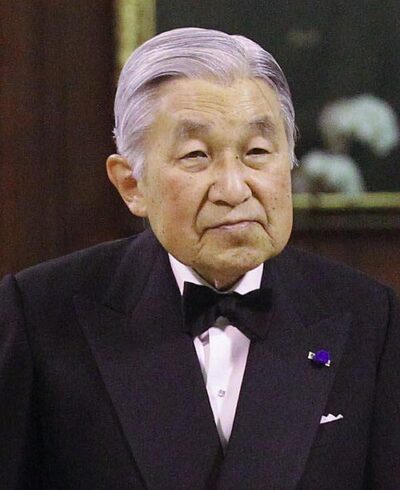
The emperor since May 1, 2019 is Naruhito, who ascended the Chrysanthemum Throne on the abdication of his father, Akihito. He is the only remaining monarch and head of state in the world who holds the title of emperor.
From the Wikipedia article “Emperor of Japan” (en.wikipedia.org/wiki/Emperor_of_Japan), by its contributors, under CC BY-SA 4.0 (creativecommons.org/licenses/by-sa/4.0/). Copied 2026-11-17; not changed.
Confirmed Two sources agree. Cited One source, and it names where it got it. One source One source, without a reference of its own. Sources disagree The sources disagree. We show the best-supported value and keep theirs below.
People connected 110
Held this office 110
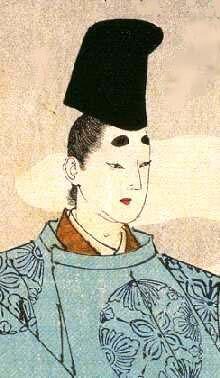 Ichijō (986–1011)Emperor of Japan
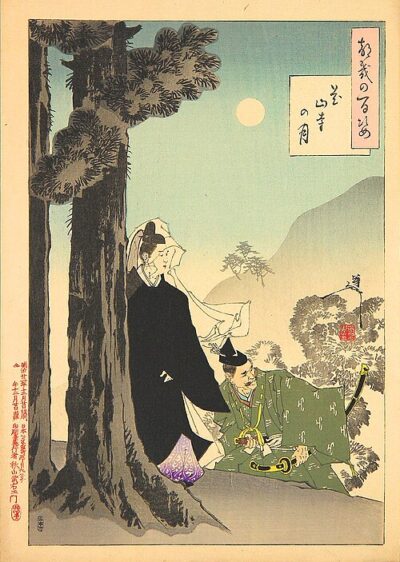 Emperor Kazan (984–986)Emperor of Japan
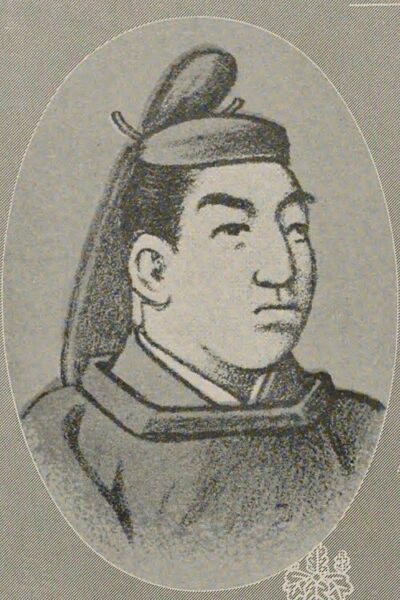 En'yū (969–984)Emperor of Japan
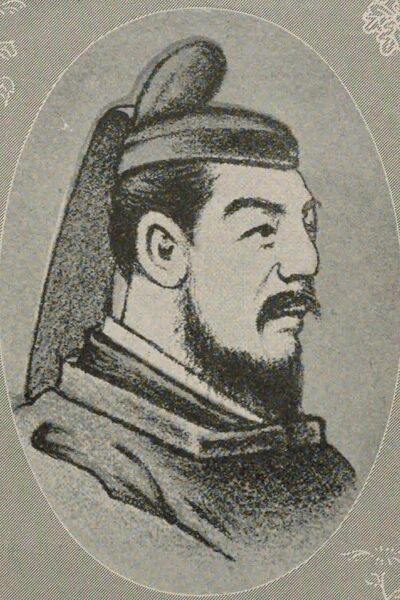 Emperor Reizei (967–969)Emperor of Japan
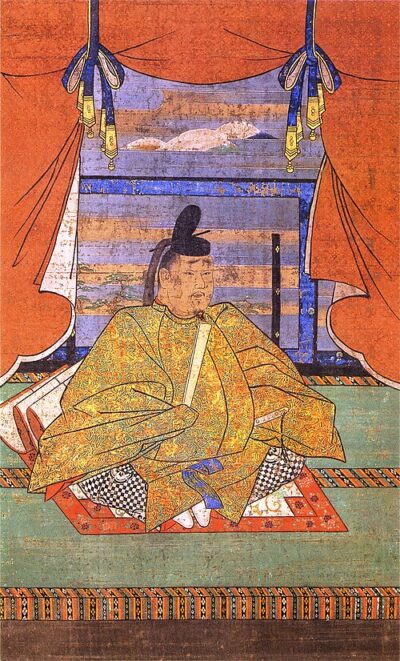 Murakami (946–967)Emperor of Japan
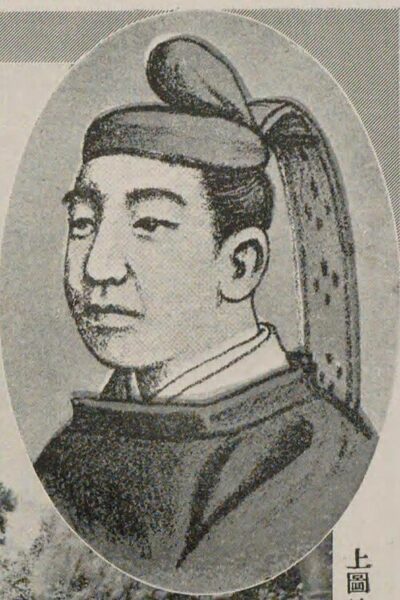 Suzaku (930–946)Emperor of Japan
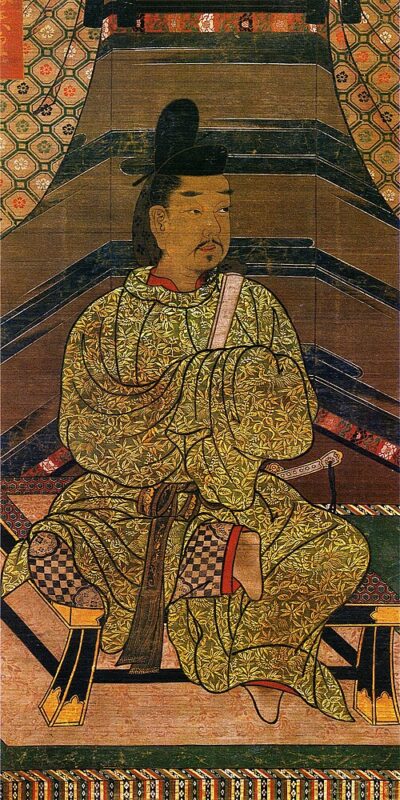 Daigo (897–930)60th emperor of Japan
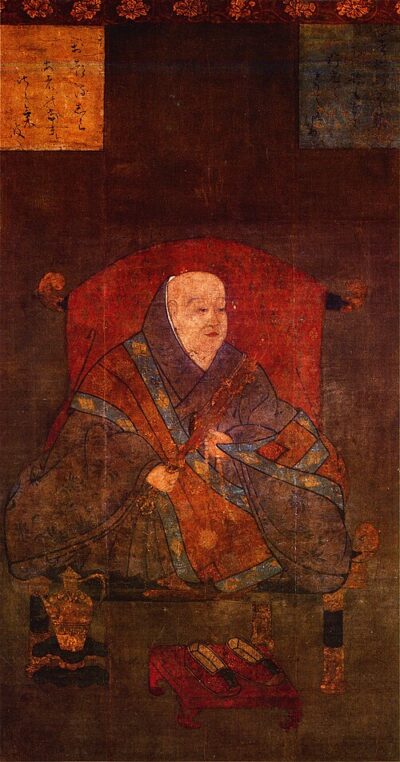 Uda (887–897)Japanese emperor
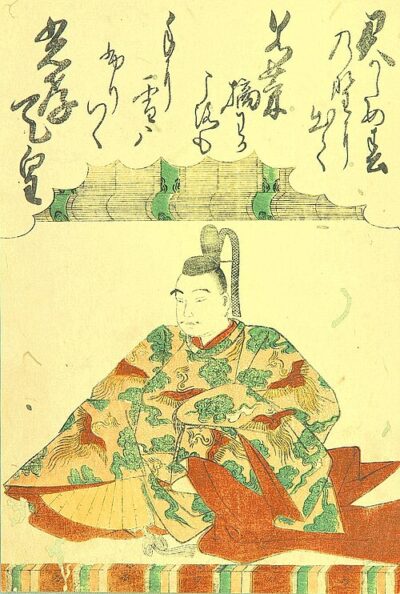 Kōkō (884–887)Emperor of Japan
 Yōzei (876–884)Emperor of Japan
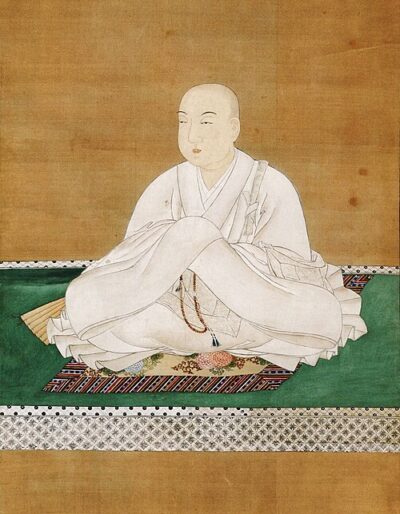 Seiwa (858–876)Emperor of Japan
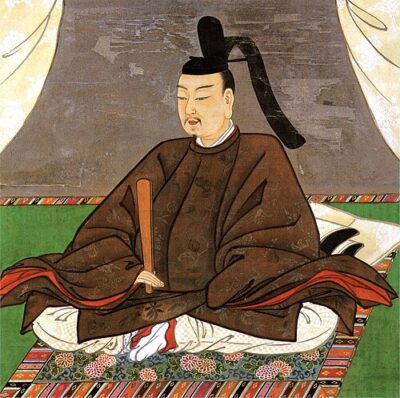 Montoku (850–858)Emperor of Japan
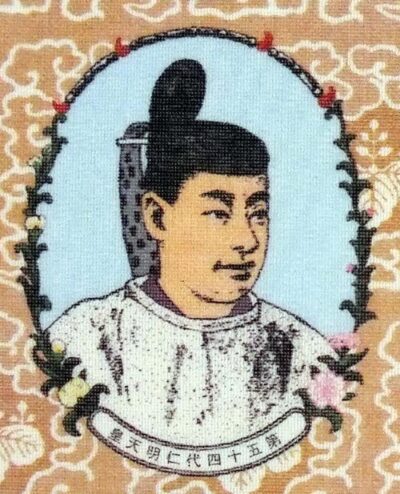 Ninmyō (833–850)Emperor of Japan (810-850)
 Emperor Junna (823–833)Emperor of Japan
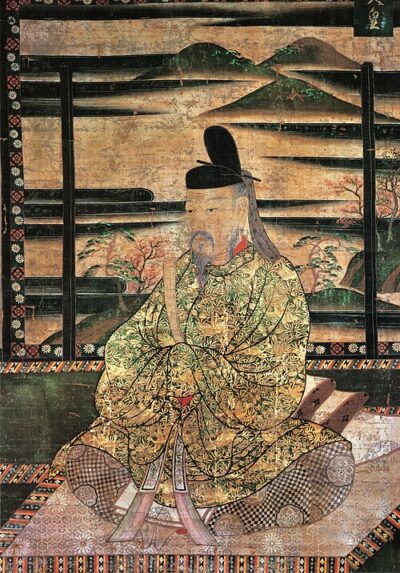 Emperor Saga (809–823)Emperor of Japan
 Emperor Heizei (806–809)Emperor of Japan
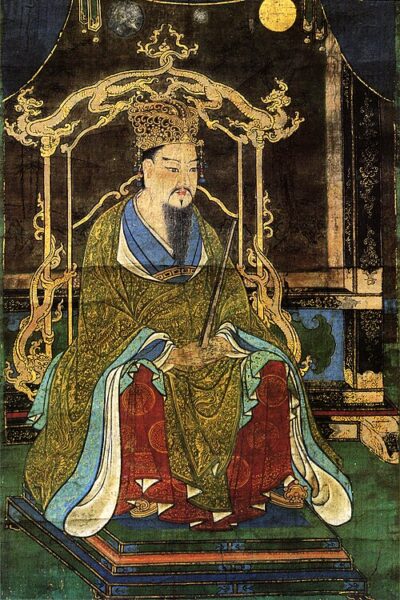 Emperor Kanmu (781–806)Emperor of Japan
 Kōnin (770–781)49th emperor of Japan
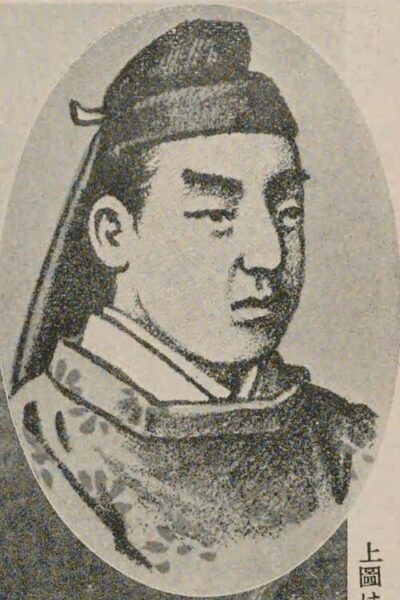 Junnin (758–764)Emperor of Japan
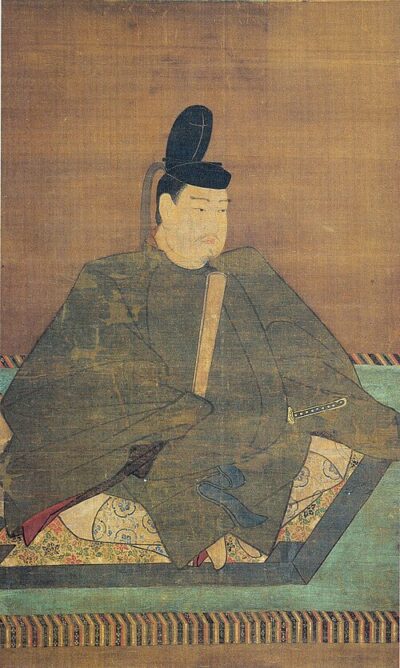 Shōmu (724–749)Emperor of Japan
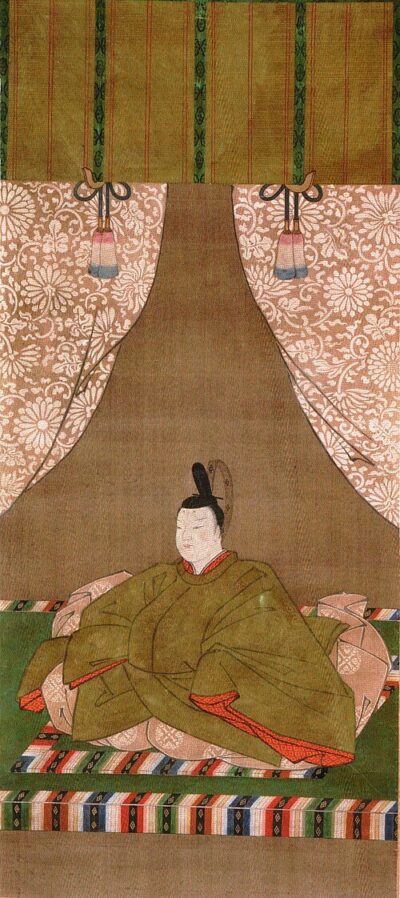 Monmu (697–707)Emperor of Japan
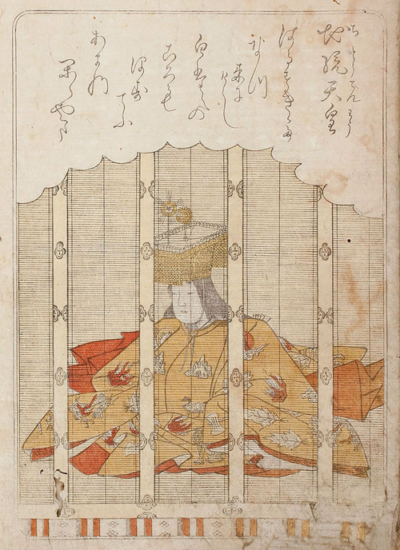 Jitō (686–697)Empress of Japan (645-703)
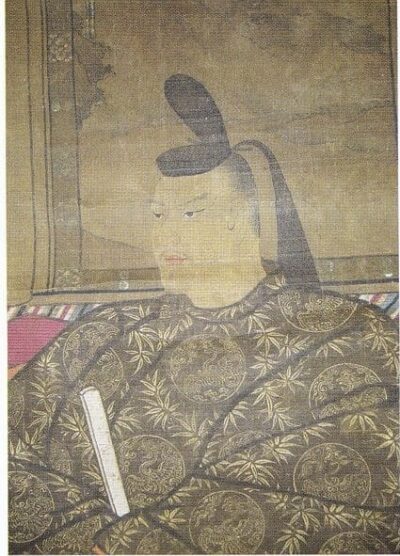 Tenmu (672–686)Emperor of Japan
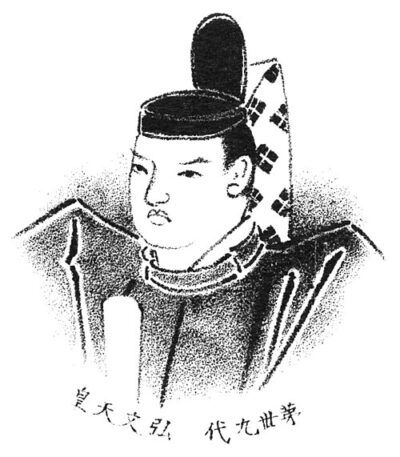 Kōbun (672)Emperor of Japan
and 86 more