
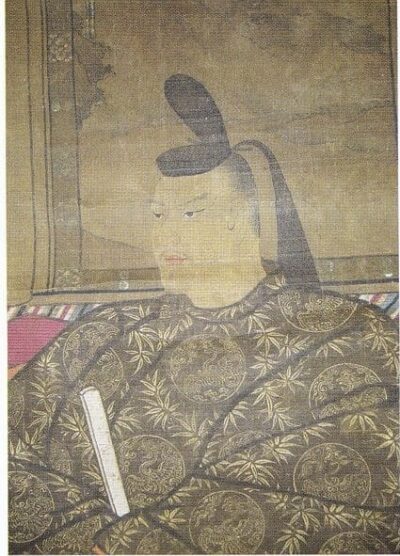
Tenmu
Tenmu was an Emperor of Japan. Born 631. Died October 1, 686. Positions held include Emperor of Japan (672–686).
Facts
29 facts · 1 confirmed by two sources · 0 cited · 27 from one source · 1 where the sources disagree
What’s different
- Born: we show 631 (Sources disagree). Wikipedia says 630
Where this comes from
Papalocal keeps its own record. It started from these sources; what each one said is kept here as it was copied, so a change on their side never changes this page by itself. Tap one to read its version.
What Wikidata says · copied November 16, 2026 · revision 2553824045
- Described as
- Emperor of Japan
- Other names
- Emperor Temmu, Tenmu-tennō, Emperor Tenmu, Temmu
- Born
- 631
- Died
- October 1, 686
- Buried in
- Noguchi Royal Tomb · 1 reference
- Citizen of
- Japan
- Occupation
- ruler
- Positions held
- Emperor of Japan (672–686)
- Spouse
- Jitō; Princess Ōta; Princess Ōe; Niitabe; Ioe no Iratsume; Hikami no Iratsume · 1 reference
- Children
- Prince Kusakabe; Princess Ōku; Prince Ōtsu; Naga; Yuge; Toneri-shinnō; Princess Tajima; Niitabe-shinnō; Hozumi-shinnō; Ki; Takata; Princess Tōchi
- Father
- Jomei
- Mother
- Kōgyoku
- Siblings
- Hashihito; Prince Furuhito-no-Ōe; Tenji
- Wikipedias with a page
- 40
Wikidata item Q335181 (wikidata.org/wiki/Q335181), public domain (CC0). Copied November 16, 2026.
What Wikipedia says · copied November 16, 2026 · revision 1385842006
Emperor Tenmu (also romanized Temmu, c. 630 – 686) was the 40th emperor of Japan according to the traditional order of succession. The son of Emperor Jomei and Empress Kōgyoku, he was born Prince Ōama around 630. Ruling from 673 to 686, during the Asuka period, his life is mainly documented by the chronicles Nihon Shoki and Kojiki, as well as the poetry collection Man'yōshū.
Little is known of Ōama's early life. During the rule of his elder brother Tenji, Ōama was ambiguously favored as his successor, but was gradually bypassed in favor of Tenji's son Prince Ōtomo. Tenji allegedly offered Ōama the throne during an illness in 671, but fearing a conspiracy against him, Ōama declined and left to serve as a monk at Yoshino Palace. Tenji died soon after. The following year, Ōama received word that Ōtomo, now ruler, was planning to kill him. He fled Yoshino with a group of followers, beginning the Jinshin War. Along with a group of retainers and the governor of Ise Province, Ōama was able to block off the mountain passes to the northern and eastern provinces, where he raised an army against his nephew. Ōtomo was defeated and forced to commit suicide. Ōama took the throne and is posthumously known as Tenmu.
Tenmu made a number of political reforms, modeling his government after the centralized state of Tang China. He was likely the first Japanese ruler to use the title of tennō ('emperor') and the first to be described as a divine being (kami) in his lifetime. He redistributed political titles among his family and political supporters and created four new ranks at the top of the kabane noble title system. He selected a site for a new capital around 683, on which (after his death) was likely built Fujiwara-kyō. He was an enthusiastic supporter of both Buddhism and the goddess Amaterasu, making various reforms to Buddhist clerical governance and elevating Amaterasu's Ise Shrine to preeminence in Japan.
Tenmu's health began to decline in 685. In attempt to gain divine favor, the imperial court sponsored large-scale Buddhist rituals, but he died in 686. This began a mourning period and interregnum almost twice the usual length, during which both of his heirs died: Prince Ōtsu was executed later the same year, likely on the orders of Tenmu's consort Uno-no-sarara, while Prince Kusakabe died of ill health in 689. Uno-no-sarara ascended to the throne in 689 as Empress Jitō.
- Born, in its opening lines
- 630
- Died, in its opening lines
- 686
From the Wikipedia article “Emperor Tenmu” (en.wikipedia.org/wiki/Emperor_Tenmu), by its contributors, under CC BY-SA 4.0 (creativecommons.org/licenses/by-sa/4.0/). Copied November 16, 2026; not changed.
Confirmed Two sources agree. Cited One source, and it names where it got it. One source One source, without a reference of its own. Sources disagree The sources disagree. We show the best-supported value and keep theirs below.
