
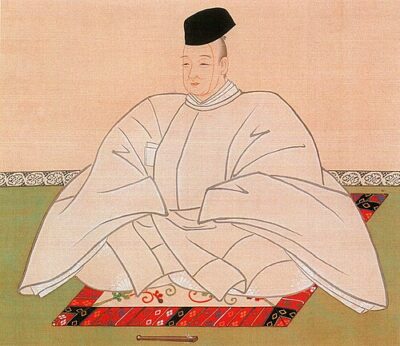
Emperor Kōkaku
Emperor Kōkaku was an Emperor of Japan from 1780 to 1817. Born September 23, 1771, in Kyoto. Died December 11, 1840, in Kyoto. Positions held include Emperor of Japan (1779–1817).
Facts
23 facts · 2 confirmed by two sources · 0 cited · 21 from one source
Where this comes from
Papalocal keeps its own record. It started from these sources; what each one said is kept here as it was copied, so a change on their side never changes this page by itself. Tap one to read its version.
What Wikidata says · copied November 16, 2026 · revision 2490508749
- Described as
- Emperor of Japan from 1780 to 1817
- Other names
- Kokaku, Emperor Kokaku, Kōkaku-tennō, Koukaku, Kōkaku, Morohito, Prince Morohito
- Born
- September 23, 1771
- Died
- December 11, 1840
- Born in
- Kyoto
- Died in
- Kyoto
- Buried in
- Tsuki no wa no misasagi · 1 reference
- Citizen of
- Tokugawa shogunate; Japan
- Occupation
- sovereign
- Positions held
- Emperor of Japan (1779–1817)
- Spouse
- Yoshiko-naishinnō; Kanshūji Tadako; Hamura Yoriko; Takano Osako; Anegakōji Satoko; Higashibōjō Kazuko
- Children
- Emperor Ninkō; Katsura-no-miya Takehito-shinnō; Masuhito-shinnō; Morikonaishinnō; Toshihito-shinnō · 1 reference
- Father
- Kan'in-no-miya Sukehito-shinnō
- Mother
- Ōe Iwashiro
- Siblings
- Haruhito, Prince Kan'in
- Wikipedias with a page
- 47
Wikidata item Q313806 (wikidata.org/wiki/Q313806), public domain (CC0). Copied November 16, 2026.
What Wikipedia says · copied November 16, 2026 · revision 1385822694
Emperor Kōkaku (光格天皇, Kōkaku-tennō; 23 September 1771 – 11 December 1840), personal name Morohito, was the 119th emperor of Japan, according to the traditional order of succession. Kōkaku reigned from 1779 until his abdication in 1817 in favor of his son, Emperor Ninkō. After his abdication, he ruled as Daijō Tennō (太上天皇; Abdicated Emperor) also known as a Jōkō (上皇) until his death in 1840. The next emperor to abdicate was Akihito, 202 years later.
Major events in Kōkaku's life included an ongoing famine that affected Japan early into his rule. The response he gave during the time was welcomed by the people, and helped to undermine the shōgun's authority. The Kansei Reforms came afterwards as a way for the shōgun to cure a range of perceived problems which had developed in the mid-18th century but was met with partial success.
A member of a cadet branch of the Imperial Family, Kōkaku is the founder of the dynastic imperial branch which currently sits on the throne. Kōkaku had one spouse during his lifetime, and six concubines who gave birth to 16 children. Only one son, Prince Ayahito, survived into adulthood and eventually became the next emperor. Genealogically, Kōkaku is the lineal ancestor of all the succeeding emperors up to the current emperor, Naruhito.
Kōkaku was also connected to the later collateral imperial houses through Prince Fushimi Kuniie of the Fushimi-no-miya, whom he adopted in 1817. Kuniie subsequently received the rank of shinnō and became the ancestor of the Fushimi-line collateral houses; by the early twentieth century, apart from the emperor's immediate family, the imperial family consisted of Kuniie's descendants, and 11 collateral branches were removed from imperial status in 1947.
- Born, in its opening lines
- September 23, 1771
- Died, in its opening lines
- December 11, 1840
From the Wikipedia article “Emperor Kōkaku” (en.wikipedia.org/wiki/Emperor_Kōkaku), by its contributors, under CC BY-SA 4.0 (creativecommons.org/licenses/by-sa/4.0/). Copied November 16, 2026; not changed.
Confirmed Two sources agree. Cited One source, and it names where it got it. One source One source, without a reference of its own. Sources disagree The sources disagree. We show the best-supported value and keep theirs below.
