
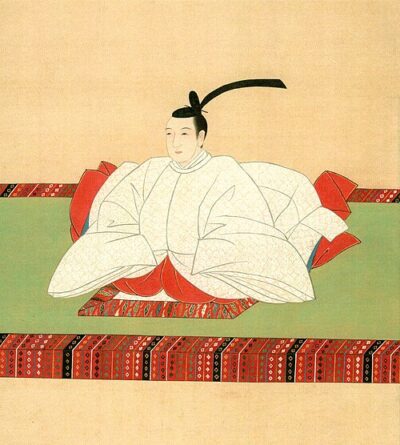
Emperor Ninkō
Emperor Ninkō was an emperor of Japan. Born March 16, 1800, in Kyoto. Died February 21, 1846, in Kyoto. Positions held include Emperor of Japan (1817–1846).
Facts
23 facts · 2 confirmed by two sources · 0 cited · 21 from one source
Where this comes from
Papalocal keeps its own record. It started from these sources; what each one said is kept here as it was copied, so a change on their side never changes this page by itself. Tap one to read its version.
What Wikidata says · copied November 16, 2026 · revision 2562130965
- Described as
- emperor of Japan (1800-1846)
- Other names
- Ninkō-tennō, Ninko, Emperor Ninko, Ninkou, Ninkō, Ayahito, Prince Ayahito
- Born
- March 16, 1800
- Died
- February 21, 1846
- Born in
- Kyoto
- Died in
- Kyoto
- Buried in
- Tsuki no wa no misasagi · 1 reference
- Citizen of
- Tokugawa shogunate; Japan
- Occupation
- sovereign
- Positions held
- Emperor of Japan (1817–1846)
- Spouse
- Ōgimachi Naoko; Hashimoto Tsuneko; Tsunako Takatsukasa; Takatsukasa Yasuko; Kanroji Kiyoko; Imaki Tatsuko
- Children
- Emperor Kōmei; Misahito, Prince Katsura; Princess Sumiko; Chikako, Princess Kazu
- Father
- Emperor Kōkaku
- Mother
- Kanshūji Tadako
- Siblings
- Masuhito-shinnō; Katsura-no-miya Takehito-shinnō
- Wikipedias with a page
- 44
Wikidata item Q312351 (wikidata.org/wiki/Q312351), public domain (CC0). Copied November 16, 2026.
What Wikipedia says · copied November 16, 2026 · revision 1385823026
Emperor Ninkō (仁孝天皇, Ninkō-tennō; 16 March 1800 – 21 February 1846), personal name Ayahito, was the 120th emperor of Japan according to the traditional order of succession. Ninkō's reign spanned the years from 1817 until his death in 1846, and saw further deterioration of the power of the ruling shōgun. Disasters, which included famine, combined with corruption and increasing Western interference, helped to erode public trust in the bakufu government. Emperor Ninkō revived certain court rituals and practices upon the wishes of his father. However, it is unknown what role, if any, the Emperor had in the turmoil which occurred during his reign.
His family included fifteen children from various concubines, but only three of them lived to adulthood. His fourth son, Imperial Prince Osahito, became Emperor Kōmei upon Ninkō's death in 1846. While political power at the time still resided with the shōgun, the beginnings of the bakumatsu (end of military government) were at hand.
- Born, in its opening lines
- March 16, 1800
- Died, in its opening lines
- February 21, 1846
From the Wikipedia article “Emperor Ninkō” (en.wikipedia.org/wiki/Emperor_Ninkō), by its contributors, under CC BY-SA 4.0 (creativecommons.org/licenses/by-sa/4.0/). Copied November 16, 2026; not changed.
Confirmed Two sources agree. Cited One source, and it names where it got it. One source One source, without a reference of its own. Sources disagree The sources disagree. We show the best-supported value and keep theirs below.
