
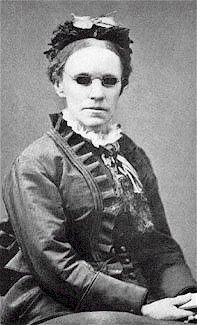
Fanny Crosby
Fanny Crosby was the 19th century Christian hymnist. Born March 24, 1820, in Brewster. Died February 12, 1915, in Bridgeport. Awards include Gospel Music Hall of Fame.
Facts
23 facts · 2 confirmed by two sources · 9 cited · 12 from one source
Where this comes from
Papalocal keeps its own record. It started from these sources; what each one said is kept here as it was copied, so a change on their side never changes this page by itself. Tap one to read its version.
What Wikidata says · copied November 15, 2026 · revision 2567336121
- Described as
- 19th century Christian hymnist
- Other names
- Frances Jane van Alstyne, Frances "Fanny" Jane Crosby, Frances (“Fanny”) Jane Crosby
- Born
- March 24, 1820 · 5 references
- Died
- February 12, 1915 · 7 references
- Born in
- Brewster
- Died in
- Bridgeport · 1 reference
- Buried in
- Mountain Grove Cemetery · 1 reference
- Name at birth
- Frances Jane Crosby
- Citizen of
- United States
- Occupation
- composer · 2 references; poet · 1 reference; singer; writer · 1 reference; teacher; hymnwriter; missionary · 1 reference; librettist · 1 reference
- Political party
- Republican Party
- Genre
- hymn
- Instrument
- voice
- Awards
- Gospel Music Hall of Fame
- Field
- poetry
- Father
- John Crosby · 1 reference
- Mother
- Mercy Crosby Morris · 1 reference
- Religion
- Methodism
- Wikipedias with a page
- 31
Wikidata item Q257456 (wikidata.org/wiki/Q257456), public domain (CC0). Copied November 15, 2026.
What Wikipedia says · copied November 15, 2026 · revision 1383560504
Frances Jane van Alstyne (née Crosby; March 24, 1820 – February 12, 1915), more commonly known as Fanny J. Crosby, was an American mission worker, poet, lyricist, and composer. A prolific hymnist, she wrote more than 8,000 hymns and gospel songs, with more than 100 million copies printed. She is also known for her teaching and rescue mission work. By the end of the 19th century, she had become a household name.
Crosby was known as the "Queen of Gospel Song Writers" and the "Mother of modern congregational singing in America", with most American hymnals containing her work. Her gospel songs were "paradigmatic of all revival music", and Ira Sankey attributed the success of the Moody and Sankey evangelical campaigns largely to Crosby's hymns. Some of Crosby's best-known works include "Pass Me Not, O Gentle Saviour", "Blessed Assurance", "Jesus Is Tenderly Calling You Home", "Praise Him, Praise Him", "Rescue the Perishing", and "To God Be the Glory". Some publishers were hesitant to have so many hymns by one person in their hymnals, so Crosby used nearly 200 different pseudonyms during her career.
Crosby also wrote more than 1,000 secular poems and had four books of poetry published, as well as two best-selling autobiographies. Additionally, she co-wrote popular secular songs, political and patriotic songs, and at least five cantatas on biblical and patriotic themes, including The Flower Queen, the first secular cantata by an American composer. She was committed to Christian rescue missions and was known for her public speaking.
- Born, in its opening lines
- March 24, 1820
- Died, in its opening lines
- February 12, 1915
From the Wikipedia article “Fanny Crosby” (en.wikipedia.org/wiki/Fanny_Crosby), by its contributors, under CC BY-SA 4.0 (creativecommons.org/licenses/by-sa/4.0/). Copied November 15, 2026; not changed.
Confirmed Two sources agree. Cited One source, and it names where it got it. One source One source, without a reference of its own. Sources disagree The sources disagree. We show the best-supported value and keep theirs below.
