
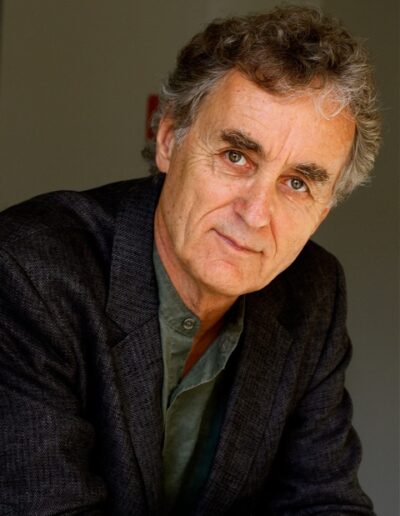
Fritjof Capra is an American physicist. Born February 1, 1939, in Vienna. Known for The Tao of Physics. Educated at University of Vienna. Awards include American Book Awards.
Facts
15 facts · 1 confirmed by two sources · 5 cited · 9 from one source
Where this comes from
Papalocal keeps its own record. It started from these sources; what each one said is kept here as it was copied, so a change on their side never changes this page by itself. Tap one to read its version.
What Wikidata says · copied November 16, 2026 · revision 2568956583
- Described as
- American physicist (1939-)
- Born
- February 1, 1939 · 3 references
- Born in
- Vienna · 1 reference
- Citizen of
- Austria
- Occupation
- physicist · 1 reference; writer; environmentalist; documentary participant; university teacher · 1 reference; philosopher · 1 reference
- Education
- University of Vienna · 1 reference
- Known for
- The Tao of Physics · 1 reference
- Awards
- American Book Awards (1992)
- Field
- physics; quantum mysticism
- Website
- https://www.fritjofcapra.net/
- Wikipedias with a page
- 43
Wikidata item Q84258 (wikidata.org/wiki/Q84258), public domain (CC0). Copied November 16, 2026.
What Wikipedia says · copied November 16, 2026 · revision 1371996365
Fritjof Capra (born February 1, 1939) is an Austrian-born American author, physicist, systems theorist and deep ecologist. In 1995, he became a founding director of the Center for Ecoliteracy in Berkeley, California. He was on the faculty of Schumacher College, which was disestablished in 2024.
Capra is the author of several books, including The Tao of Physics (1975), The Turning Point (1982), Uncommon Wisdom (1988), The Web of Life (1996), and The Hidden Connections (2002), and co-author of The Systems View of Life (2014).
- Born, in its opening lines
- February 1, 1939
From the Wikipedia article “Fritjof Capra” (en.wikipedia.org/wiki/Fritjof_Capra), by its contributors, under CC BY-SA 4.0 (creativecommons.org/licenses/by-sa/4.0/). Copied November 16, 2026; not changed.
Confirmed Two sources agree. Cited One source, and it names where it got it. One source One source, without a reference of its own. Sources disagree The sources disagree. We show the best-supported value and keep theirs below.
