

physics
Physics is a study of matter and its motion, along with related concepts such as energy and force.
- What it is
- branch of science
All 3 facts, and where they come from
Facts
3 facts · 0 confirmed by two sources · 3 cited · 0 from one source
Where this comes from
Papalocal keeps its own record. It started from these sources; what each one said is kept here as it was copied, so a change on their side never changes this page by itself. Tap one to read its version.
What Wikidata says · copied November 19, 2026 · revision 2571481774
- Described as
- study of matter and its motion, along with related concepts such as energy and force
- Other names
- physical, physic, general physics
- What it is
- branch of science · 1 reference; academic discipline · 1 reference; exact science · 1 reference
- Wikipedias with a page
- 321
Wikidata item Q413 (wikidata.org/wiki/Q413), public domain (CC0). Copied 2026-11-19.
What Wikipedia says · copied November 19, 2026 · revision 1384142980
Physics is the scientific study of matter, its fundamental constituents, its motion and behavior through space and time, and the related entities of energy and force. It is one of the most fundamental scientific disciplines. A scientist who specializes in the field of physics is called a physicist.
Physics is one of the oldest academic disciplines. Over much of the past two millennia, physics, chemistry, biology, and certain branches of mathematics were part of natural philosophy, but during the Scientific Revolution in the 17th century, these natural sciences branched into separate research endeavors. Physics intersects with many interdisciplinary areas of research, such as biophysics and quantum chemistry, and the boundaries of physics are not rigidly defined. New ideas in physics often explain the fundamental mechanisms studied by other sciences and suggest new avenues of research in these and other academic disciplines, such as mathematics and philosophy.
Advances in physics often enable new technologies. For example, advances in the understanding of electromagnetism, solid-state physics, and nuclear physics led directly to the development of technologies that have transformed modern society, such as television, computers, domestic appliances, and nuclear weapons; advances in thermodynamics led to the development of industrialization; and advances in mechanics inspired the development of calculus.
From the Wikipedia article “Physics” (en.wikipedia.org/wiki/Physics), by its contributors, under CC BY-SA 4.0 (creativecommons.org/licenses/by-sa/4.0/). Copied 2026-11-19; not changed.
Confirmed Two sources agree. Cited One source, and it names where it got it. One source One source, without a reference of its own. Sources disagree The sources disagree. We show the best-supported value and keep theirs below.
Picture: Wikimedia Commons: CollageFisica.jpg · See Commons file page
People connected 598
Field 597
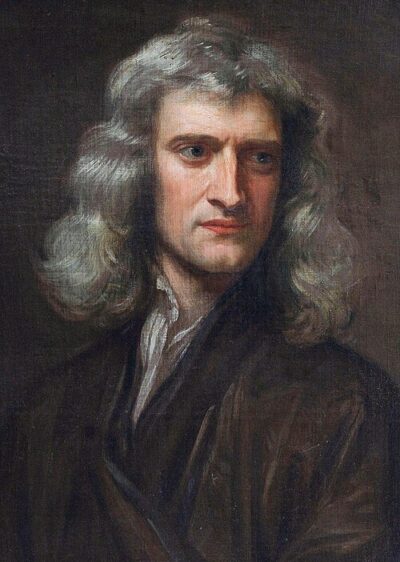 Isaac NewtonEnglish mathematician and physicist (1642–1727)
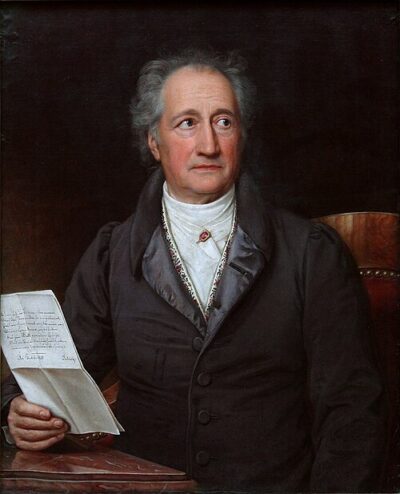 Johann Wolfgang von GoetheGerman writer, artist, natural scientist and politician (1749–1832)
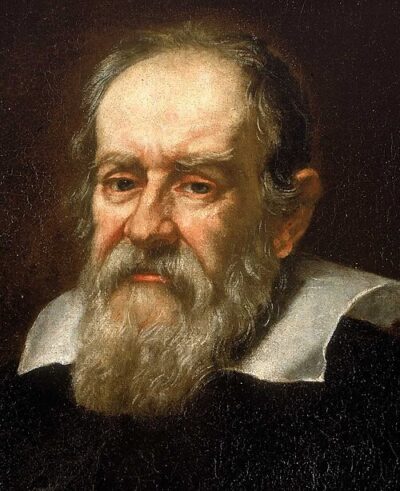 Galileo GalileiItalian polymath (1564–1642)
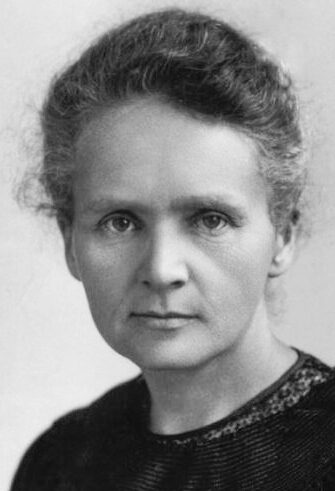 Marie CuriePolish-born French physicist and chemist (1867–1934)
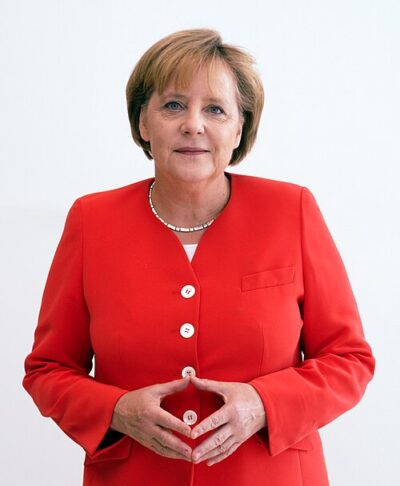 Angela Merkelchancellor of Germany from 2005 to 2021 (born 1954)
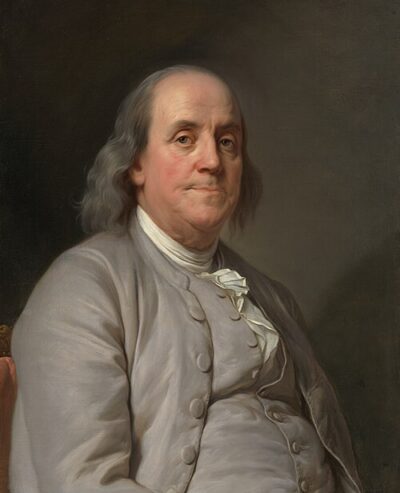 Benjamin FranklinAmerican polymath and statesman (1706–1790)
 Blaise PascalFrench mathematician, physicist, inventor, writer, and Christian philosopher (1623–1662)
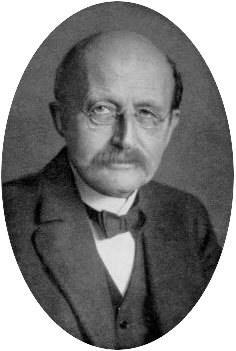 Max PlanckGerman theoretical physicist (1858–1947)
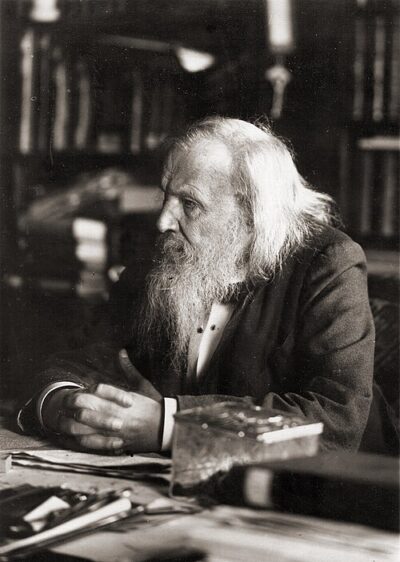 Dmitri MendeleevRussian chemist (1834–1907)
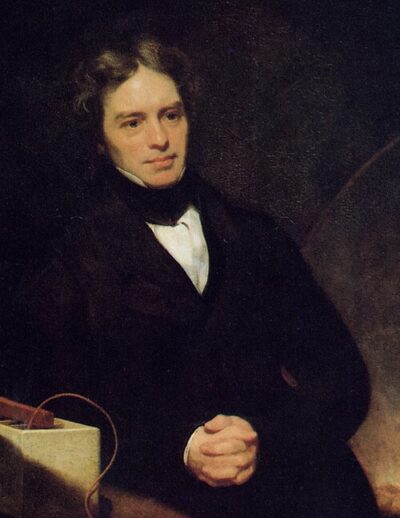 Michael FaradayBritish scientist (1791–1867)
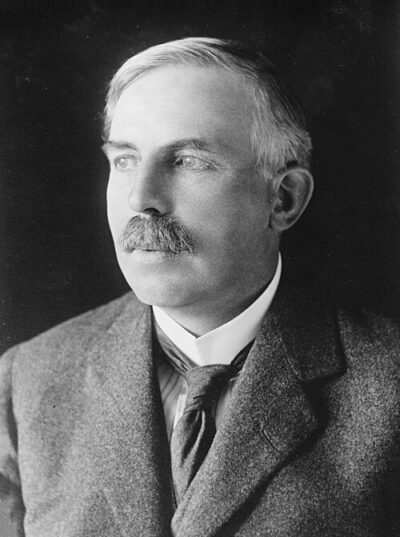 Ernest RutherfordNew Zealand physicist (1871–1937)
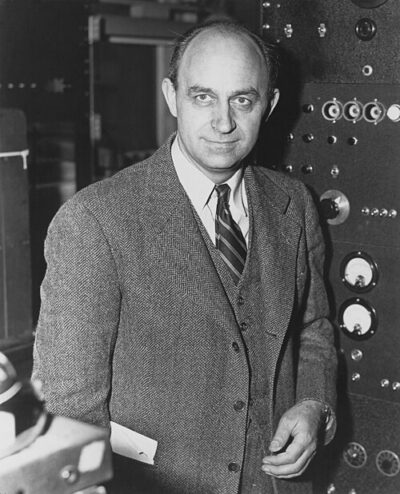 Enrico FermiItalian-American physicist (1901–1954)
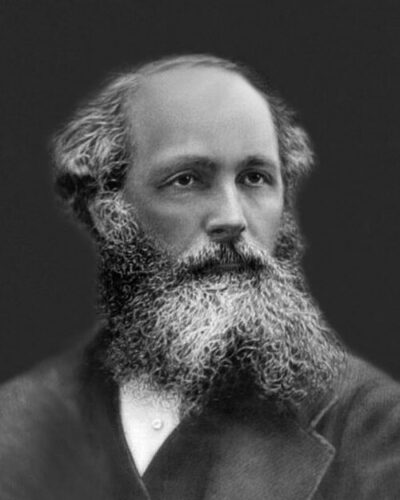 James Clerk MaxwellScottish physicist (1831–1879)
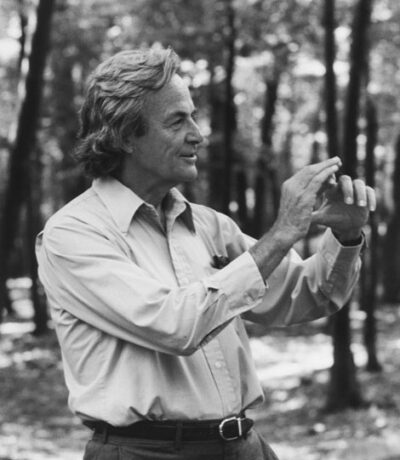 Richard FeynmanAmerican theoretical physicist (1918–1988)
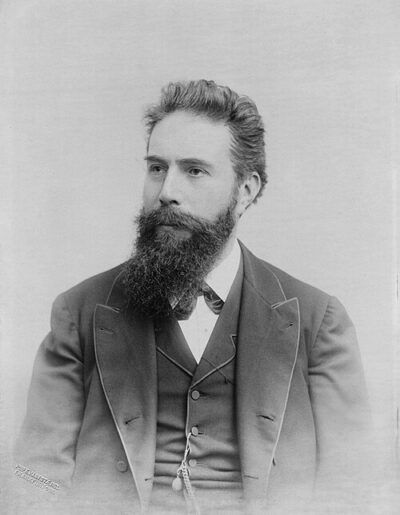 Wilhelm RöntgenGerman physicist (1845–1923)
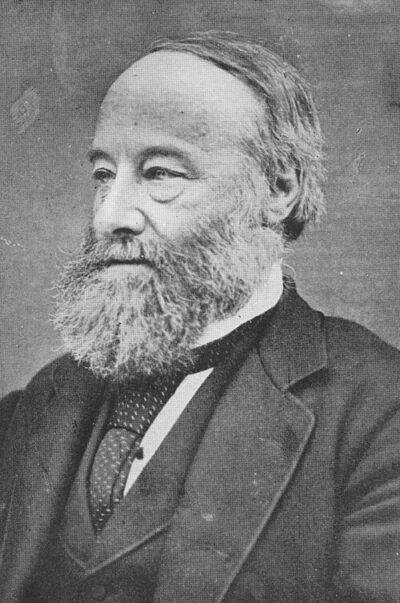 James Prescott JouleEnglish physicist and brewer (1818–1889)
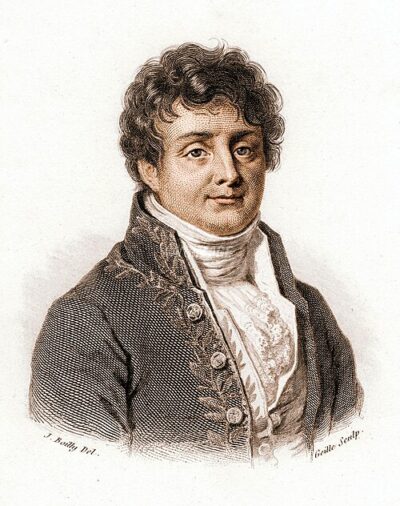 Joseph FourierFrench mathematician and physicist (1768 – 1830)
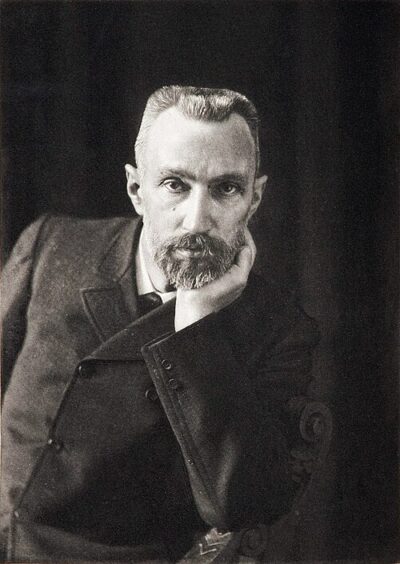 Pierre CurieFrench physicist and chemist (1859–1906)
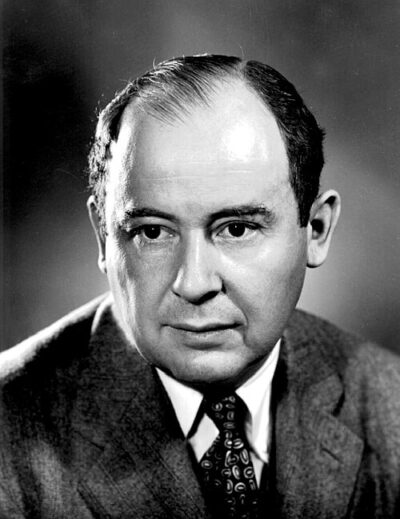 John von NeumannHungarian and American mathematician and physicist (1903–1957)
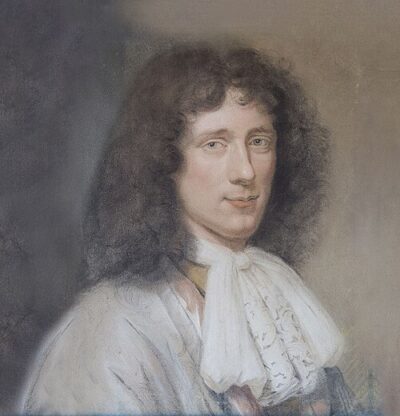 Christiaan HuygensDutch mathematician, physicist and astronomer (1629–1695)
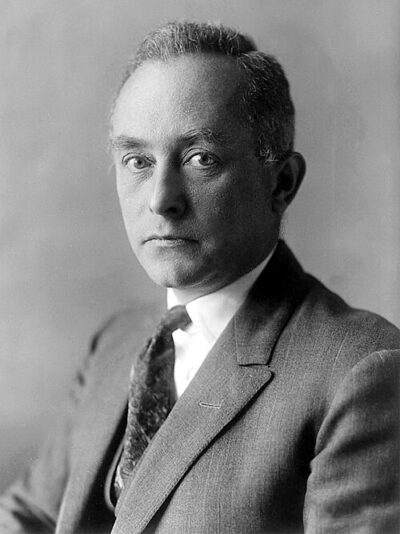 Max BornGerman-Jewish physicist and mathematician (1882–1970)
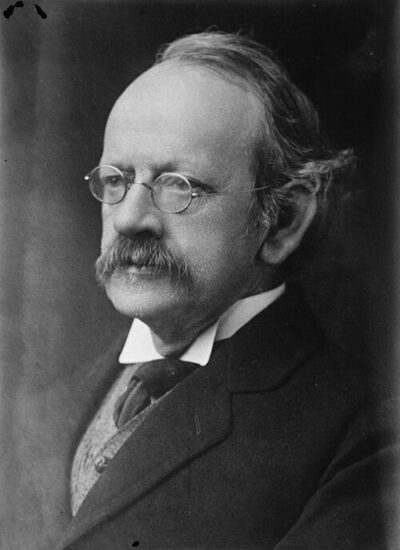 Joseph John ThomsonBritish physicist (1856-1940)
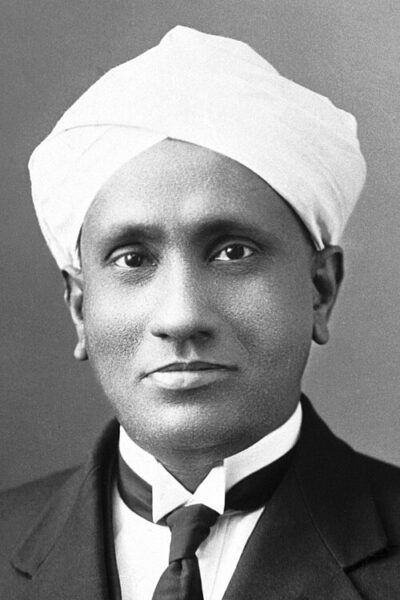 Chandrasekhara Venkata RamanIndian physicist (1888–1970)
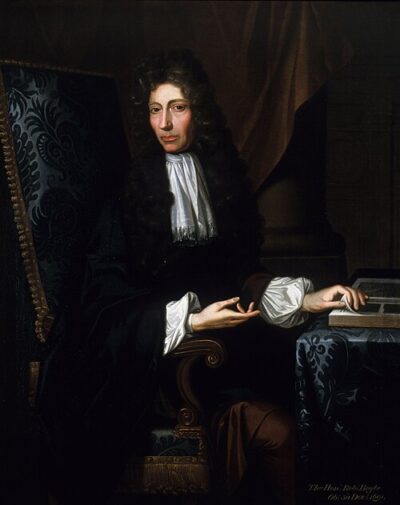 Robert BoyleAnglo-Irish natural philosopher, chemist, physicist, and inventor (1627-1691)
and 573 more

