
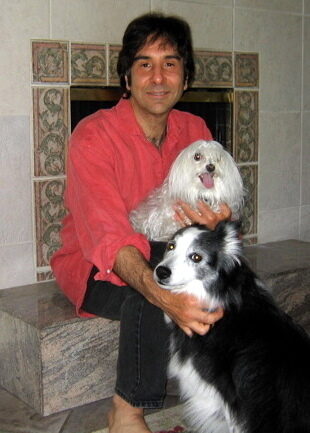
Gary L. Francione
Gary L. Francione is an American legal scholar. Born May 24, 1954, in New York. Educated at University of Virginia School of Law and University of Rochester.
Facts
16 facts · 1 confirmed by two sources · 2 cited · 13 from one source
Where this comes from
Papalocal keeps its own record. It started from these sources; what each one said is kept here as it was copied, so a change on their side never changes this page by itself. Tap one to read its version.
What Wikidata says · copied November 15, 2026 · revision 2521338281
- Described as
- American legal scholar
- Other names
- Gary Lawrence Francione
- Born
- May 24, 1954
- Born in
- New York
- Name at birth
- Gary Lawrence Francione
- Citizen of
- United States
- Occupation
- philosopher · 1 reference; university teacher; lawyer; jurist · 1 reference
- Worked for
- Rutgers University; University of Pennsylvania · 1 reference; University of Rochester · 1 reference
- Education
- University of Virginia School of Law; University of Rochester · 1 reference
- Member of
- Phi Beta Kappa Society
- Genre
- veganism
- Website
- http://www.abolitionistapproach.com/ · 1 reference
- Wikipedias with a page
- 27
Wikidata item Q458591 (wikidata.org/wiki/Q458591), public domain (CC0). Copied November 15, 2026.
What Wikipedia says · copied November 15, 2026 · revision 1372194869
Gary Lawrence Francione (born May 1954) is an American academic in the fields of law and philosophy. He is Board of Governors Professor of Law and Katzenbach Scholar of Law and Philosophy at Rutgers University in New Jersey. He is also a visiting professor of philosophy at the University of Lincoln (UK) and honorary professor of philosophy at the University of East Anglia (UK). He is the author of numerous books and articles on animal ethics.
- Born, in its opening lines
- May 1954
From the Wikipedia article “Gary L. Francione” (en.wikipedia.org/wiki/Gary_L._Francione), by its contributors, under CC BY-SA 4.0 (creativecommons.org/licenses/by-sa/4.0/). Copied November 15, 2026; not changed.
Confirmed Two sources agree. Cited One source, and it names where it got it. One source One source, without a reference of its own. Sources disagree The sources disagree. We show the best-supported value and keep theirs below.
