
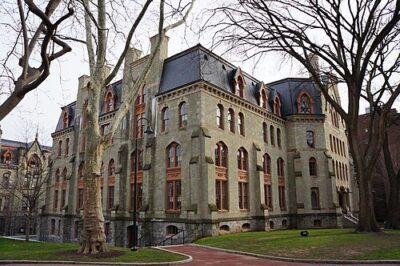
University of Pennsylvania
The University of Pennsylvania is a private research university in Philadelphia, Pennsylvania, United States. It was founded in 1740 by Benjamin Franklin, Philip Syng and Robert Strettell. It has 19,456 employees (2020). 24,699 students study there (2021).
- Located in
- Philadelphia
- Country
- United States
- Founded
- November 14, 1740
- Students
- 24,699 (2021)
- What it is
- private university
All 15 facts, and where they come from
Facts
15 facts · 0 confirmed by two sources · 8 cited · 7 from one source
Where this comes from
Papalocal keeps its own record. It started from these sources; what each one said is kept here as it was copied, so a change on their side never changes this page by itself. Tap one to read its version.
What Wikidata says · copied November 16, 2026 · revision 2560452039
- Described as
- private research university in Philadelphia, Pennsylvania, United States
- Other names
- UPenn, Penn, Univ. of Penn., Pennsylvania University, upenn.edu, Univ. of Pennsylvania, Pennsylvania
- What it is
- private university; research university; colonial colleges
- Founded
- November 14, 1740
- Founded by
- Benjamin Franklin · 2 references; Philip Syng · 1 reference; Robert Strettell · 1 reference; William Shippen · 1 reference
- Headquarters
- Philadelphia · 1 reference
- Located in
- Philadelphia
- Country
- United States · 1 reference
- Industry
- higher education
- Employees
- 19,456 (2020) · 1 reference
- Students
- 26,552 (2020) · 1 reference
- Official website
- https://upenn.edu
- Wikipedias with a page
- 86
Wikidata item Q49117 (wikidata.org/wiki/Q49117), public domain (CC0). Copied 2026-11-16.
What Wikipedia says · copied November 16, 2026 · revision 1385719277
The University of Pennsylvania (Penn or UPenn) is a private Ivy League research university in Philadelphia, Pennsylvania, United States. Chartered in 1755 by its first president Benjamin Franklin, who advocated for an educational institution that trained leaders in academia, commerce, and public service, it is one of nine colonial colleges in the country.
The university has 4 undergraduate schools and 12 graduate and professional schools. Schools enrolling undergraduates include the College of Arts and Sciences, the School of Engineering and Applied Science, the Wharton School, and the School of Nursing. Among its graduate schools are its law school, whose first professor, James Wilson, helped write the U.S. Constitution, and its medical school, the first in North America.
In fiscal year 2024, Penn reported $2.172 billion in research expenditures, ranking second among U.S. universities in the National Science Foundation's Higher Education Research and Development (HERD) survey. As of June 30, 2026, Penn's endowment was $31.1 billion. The main campus is in the University City neighborhood of West Philadelphia, centered around College Hall. Campus landmarks include Houston Hall, described as the first student union building in the United States, and Franklin Field, which has hosted college football since 1895 and was expanded into a two-tier stadium in 1924. The university's athletics program, the Penn Quakers, fields varsity teams in 33 sports as a member of NCAA Division I's Ivy League conference.
Penn alumni, trustees, and faculty include 8 signers of the Declaration of Independence, 7 signers of the U.S. Constitution, 24 members of the Continental Congress, 3 presidents of the United States, 38 Nobel laureates, 9 foreign heads of state, 3 United States Supreme Court justices, at least 4 Supreme Court justices of foreign nations, 32 U.S. senators, 163 members of the U.S. House of Representatives, 19 U.S. Cabinet secretaries, 46 governors, 28 state supreme court justices, 36 living undergraduate billionaires, the only person to ever reach trillionaire status, 6 recipients of the Medal of Honor, and more than 200 Olympic athletes, 43 of whom earned 81 medals (26 of them gold).
From the Wikipedia article “University of Pennsylvania” (en.wikipedia.org/wiki/University_of_Pennsylvania), by its contributors, under CC BY-SA 4.0 (creativecommons.org/licenses/by-sa/4.0/). Copied 2026-11-16; not changed.
Confirmed Two sources agree. Cited One source, and it names where it got it. One source One source, without a reference of its own. Sources disagree The sources disagree. We show the best-supported value and keep theirs below.
Picture: Michel Alexandre Salim, via Wikimedia Commons · CC BY-SA 2.0
People connected 170
Studied here 113
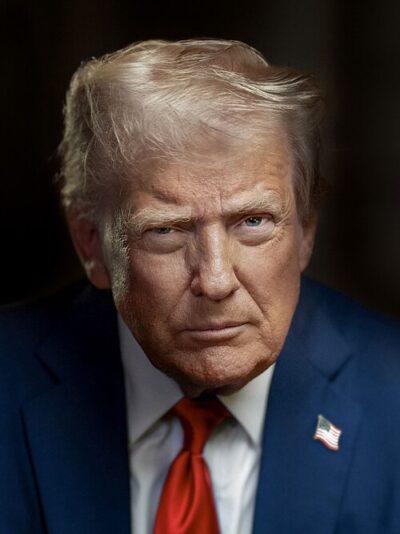 Donald TrumpPresident of the United States (2017–2021; since 2025)
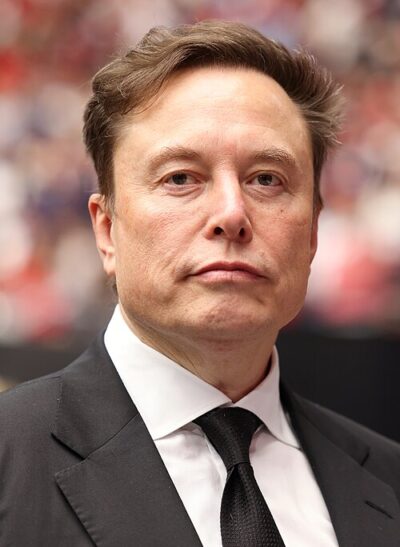 Elon Musk (1991–1995)American businessman (born 1971)
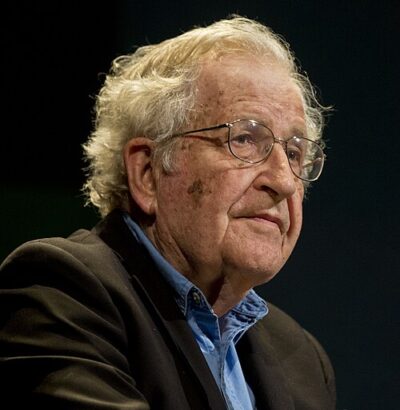 Noam Chomsky (1945–1951)American linguist and activist (born 1928)
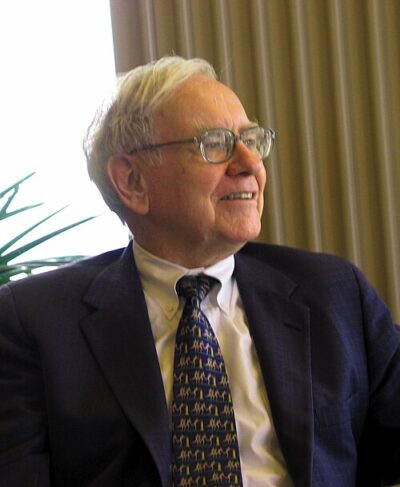 Warren BuffettAmerican investor, entrepreneur and businessman
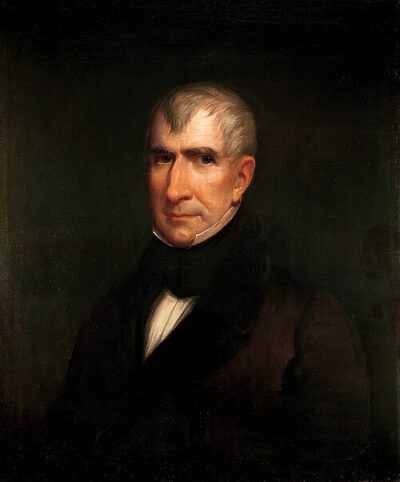 William Henry Harrisonpresident of the United States in 1841 (1773–1841)
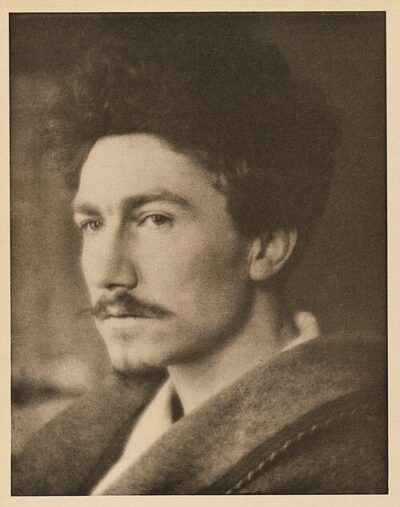 Ezra PoundAmerican poet and critic (1885–1972)
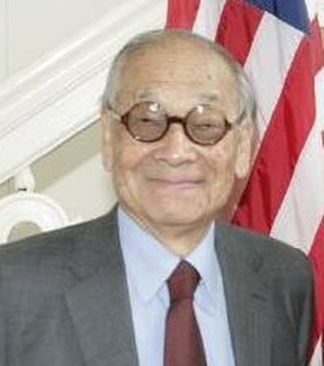 I. M. PeiChinese-American architect (1917–2019)
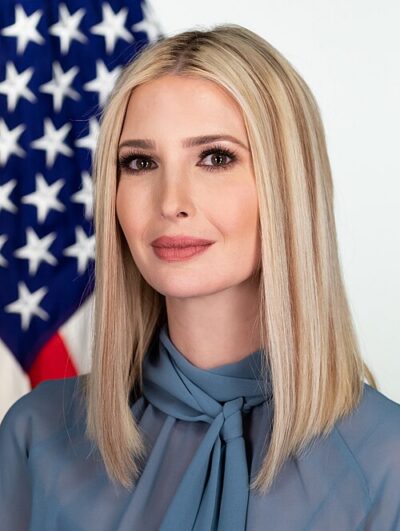 Ivanka TrumpAmerican businesswoman, socialite and political advisior (born 1981)
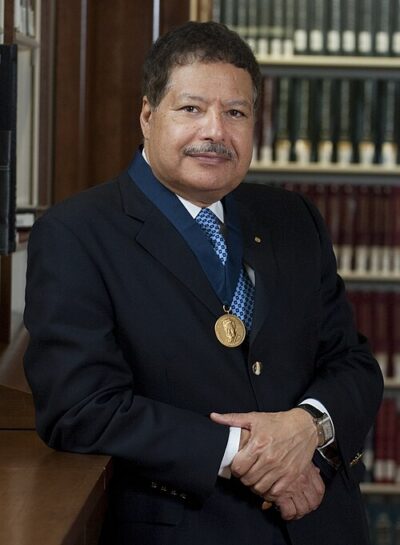 Ahmed Zewail (1969–1974)Egyptian chemist
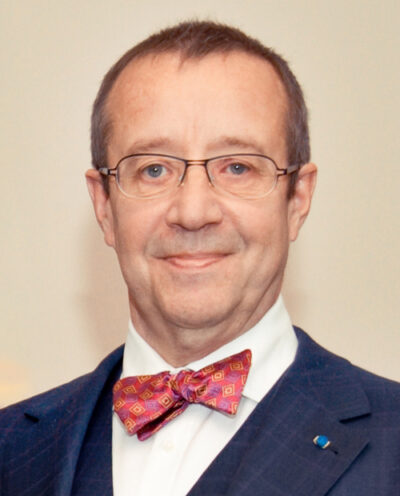 Toomas Hendrik IlvesEstonian politician and diplomat, fourth president of Estonia (born 1953)
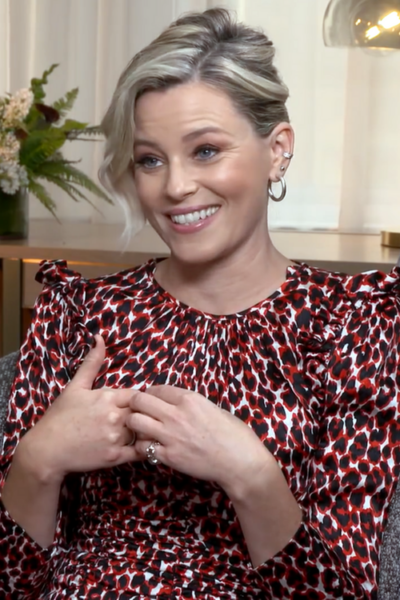 Elizabeth BanksAmerican actress and director (born 1974)
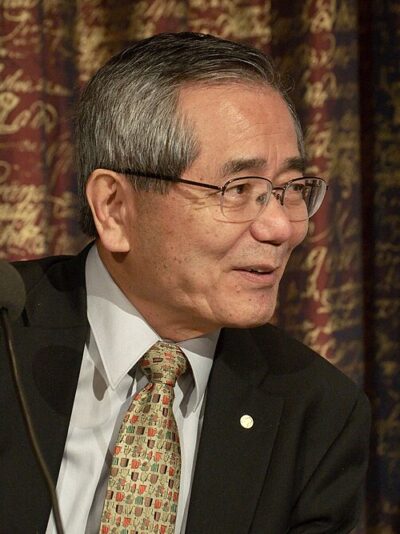 Ei-ichi Negishi (1960–1963)Japanese chemist (1935 - 2021)
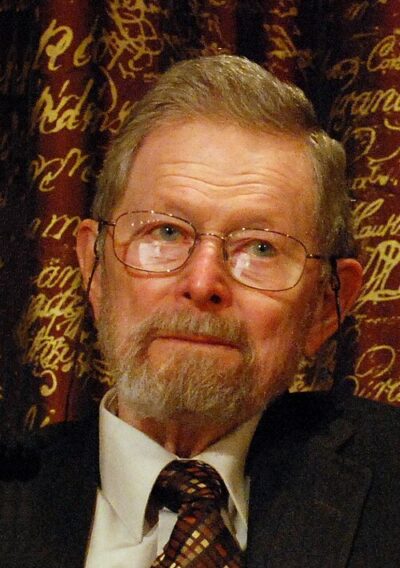 George E. Smith (–1955)Nobel prize winning American physicist
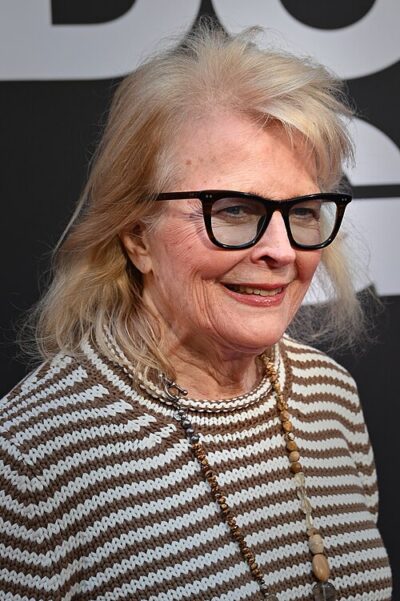 Candice BergenAmerican actress (born 1946)
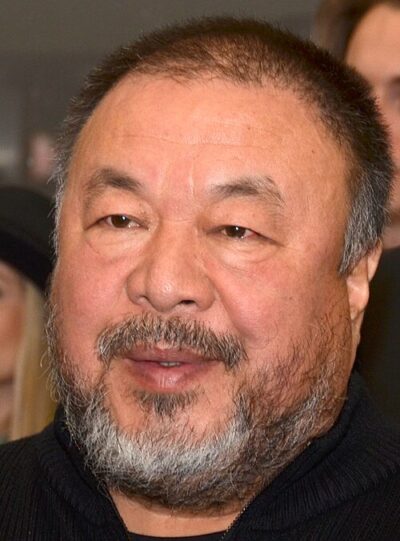 Ai Weiwei (1981–)Chinese Conceptual artist (born 1957)
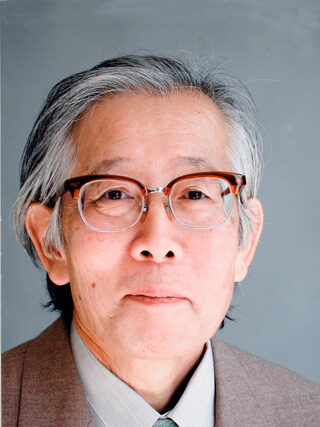 Hideki ShirakawaJapanese scientist (1936–2026)
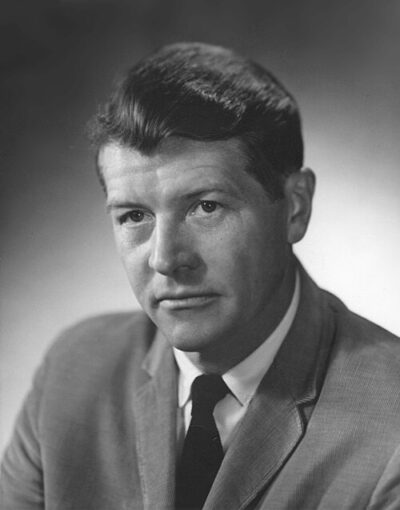 Christian B. AnfinsenAmerican biochemist (1916–1995)
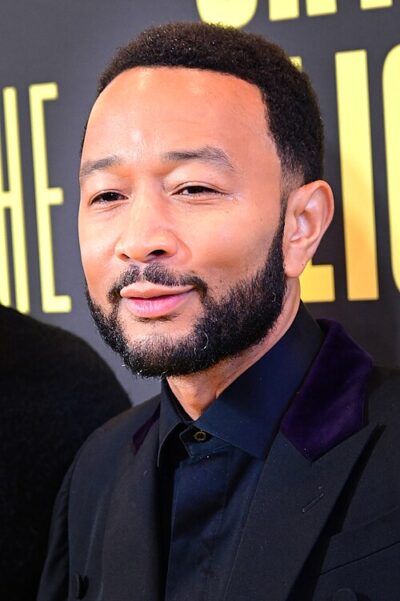 John LegendAmerican singer-songwriter
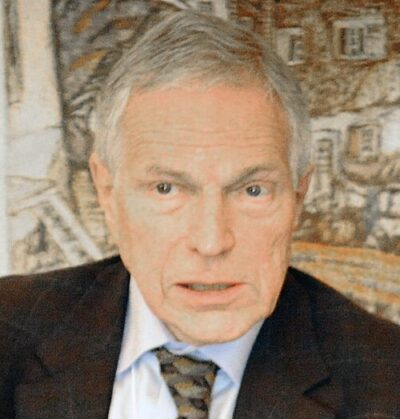 Edmund PhelpsAmerican economist
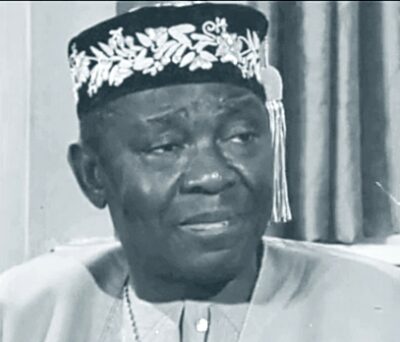 Nnamdi Azikiwefirst President of Nigeria (1904-1996)
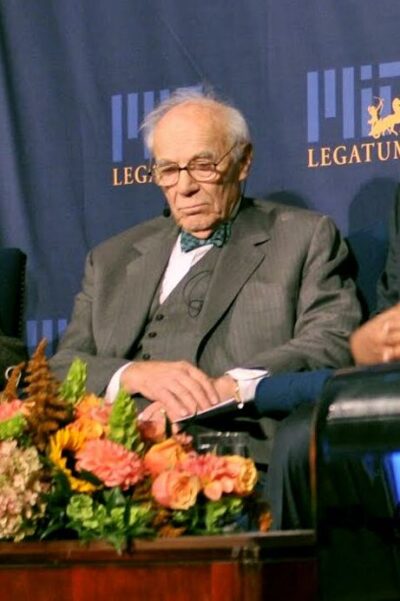 Lawrence KleinAmerican economist (1920-2013)
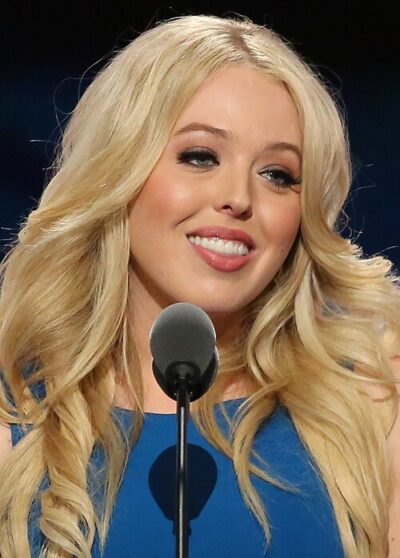 Tiffany Trump (–2016)American socialite, research assistant and reality television personality (born 1993)
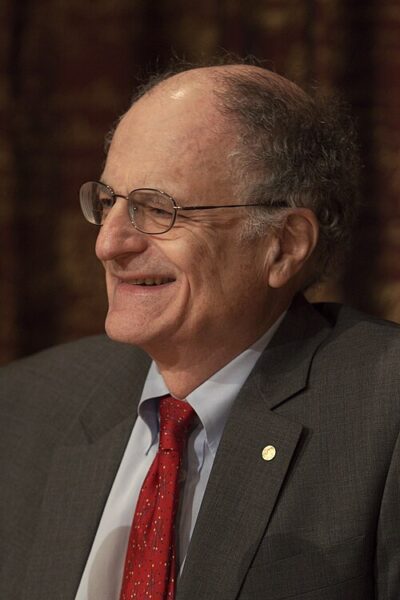 Thomas J. SargentAmerican economist (born 1943)
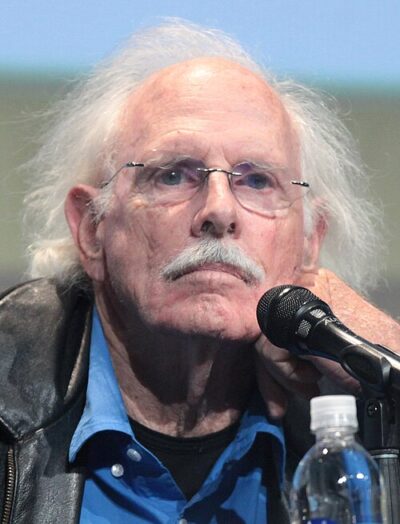 Bruce DernAmerican actor
and 89 more
Worked here 70
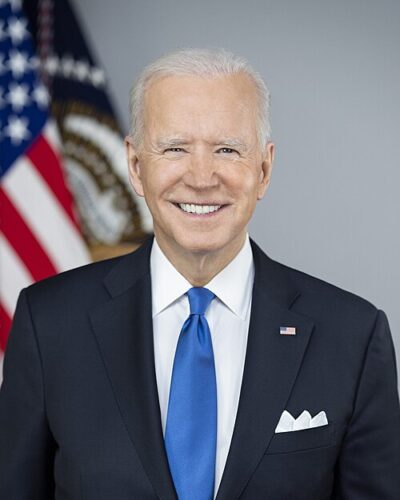 Joe Biden (2017–)46th President of the United States (2021–2025)
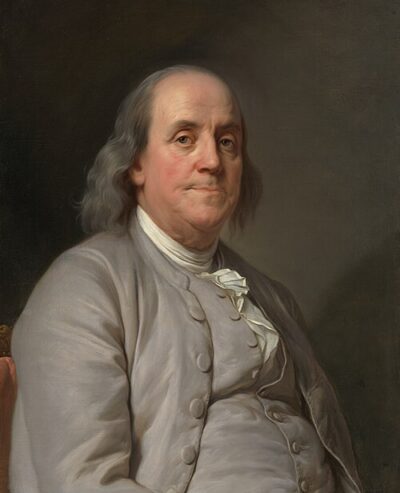 Benjamin FranklinAmerican polymath and statesman (1706–1790)
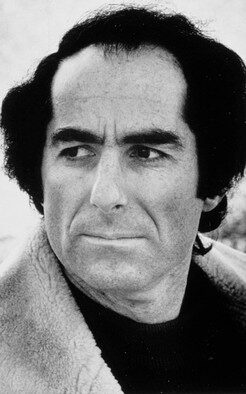 Philip RothAmerican novelist (1933–2018)
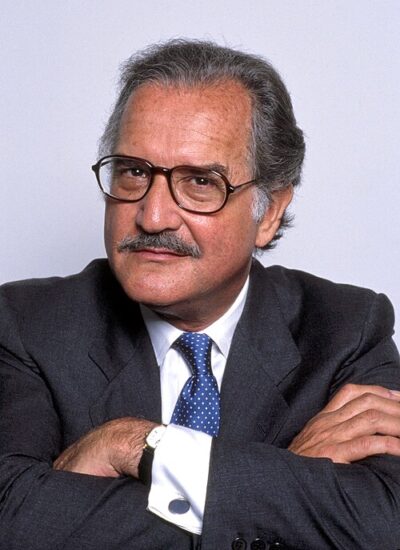 Carlos FuentesMexican writer (1928–2012)
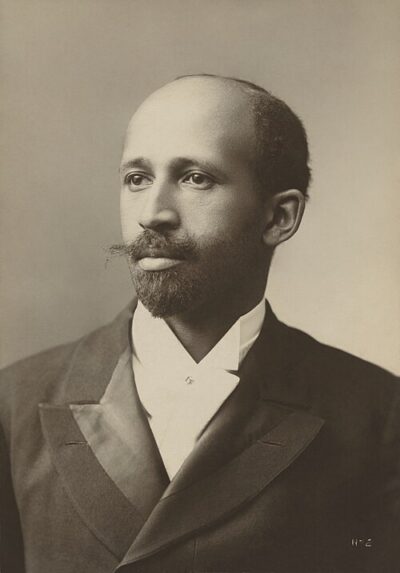 W. E. B. Du Bois (1896–1897)American sociologist and activist (1868–1963)
 Katalin Karikó (1987–)Hungarian biochemist
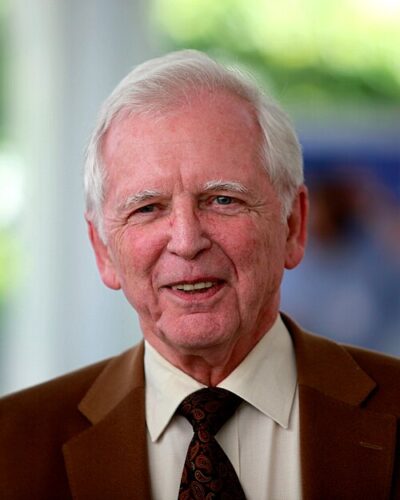 Harald zur HausenGerman virologist and professor emeritus (1936–2023)
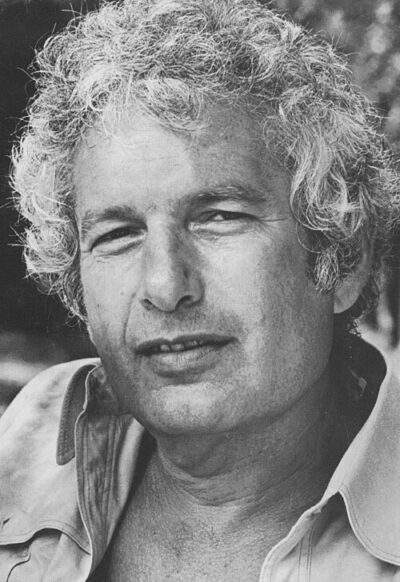 Joseph HellerAmerican writer
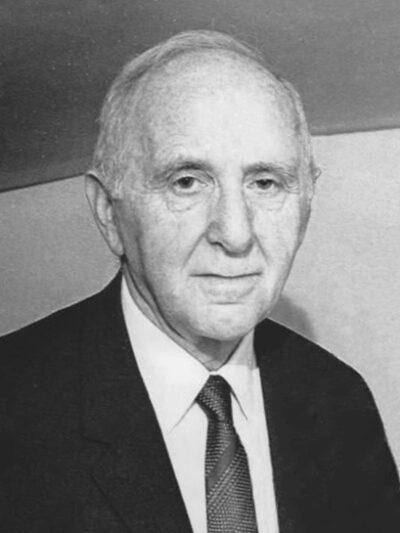 Simon KuznetsRussian-born American economist and statistician (1901–1985)
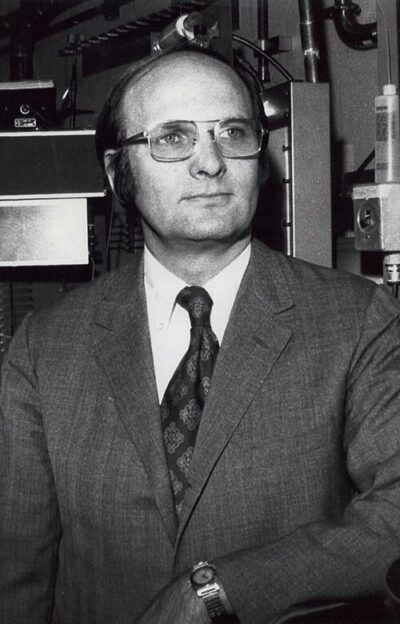 John Robert Schrieffer (1962–1979)American physicist (1931-2019)
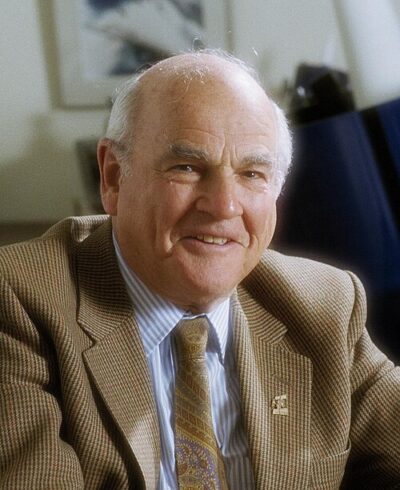 Baruch Samuel BlumbergAmerican physician, geneticist and Nobel prize winner (1925–2011)
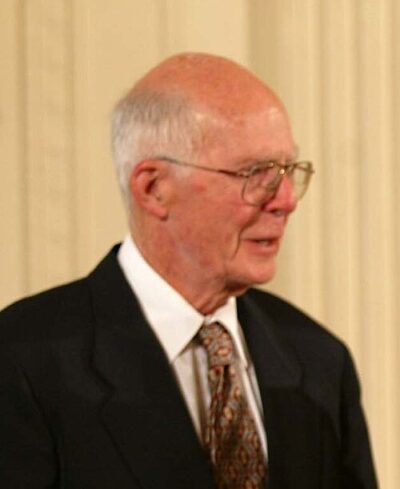 Raymond Davis Jr.American scientist (1914-2006)
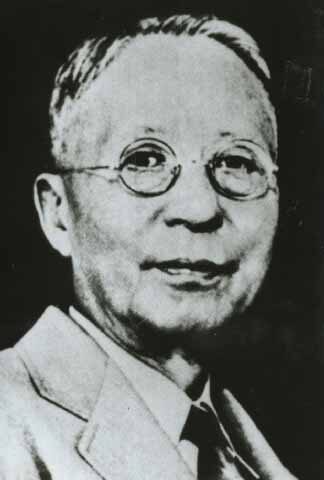 Soh JaipilKorean-American independence activist and journalist (1864–1951)
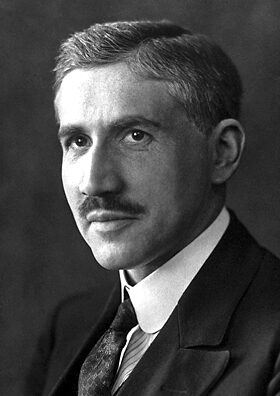 Otto Fritz MeyerhofGerman biochemist (1884-1951)
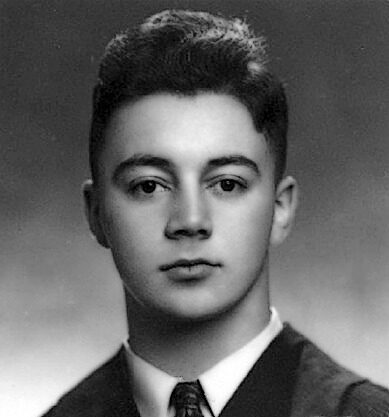 Erving GoffmanCanadian-American sociologist (1922–1982)
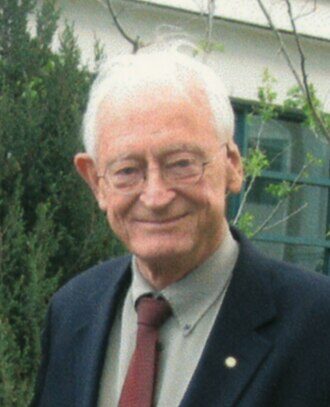 Alan MacDiarmidNew Zealand chemist (1927–2007)
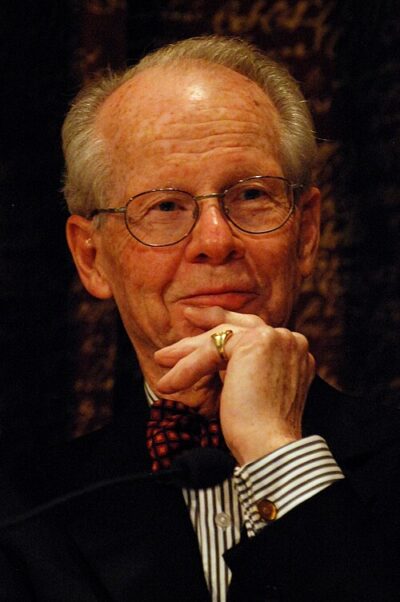 Oliver E. WilliamsonAmerican economist (1932–2020)
- Edmund PhelpsAmerican economist
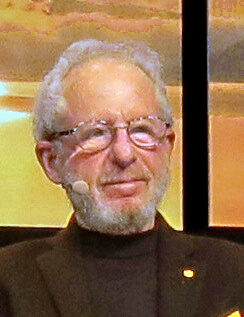 Alan J. HeegerAmerican chemist, physicist
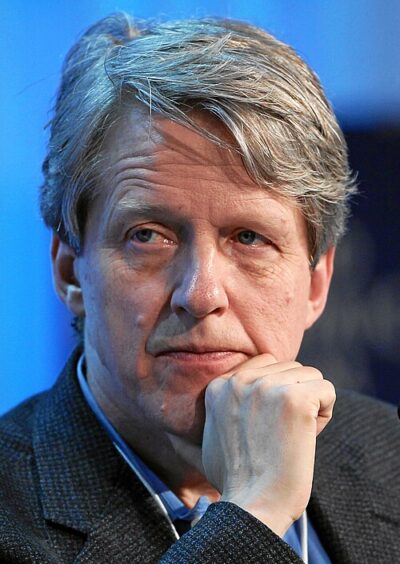 Robert J. ShillerAmerican economist
- Lawrence KleinAmerican economist (1920-2013)
- Thomas J. SargentAmerican economist (born 1943)
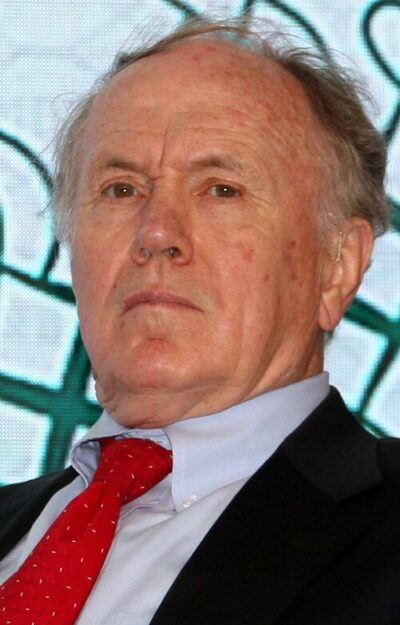 Edward C. PrescottAmerican economist (1940-2022)
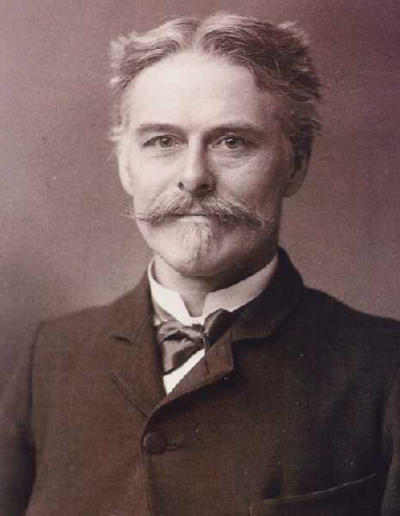 Edward Drinker CopeAmerican paleontologist, geologist, and biologist (1840–1897)
and 46 more
