
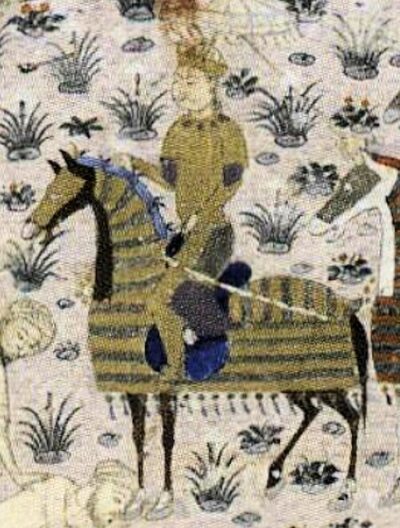
Ghiyath al-Din Tughluq
Ghiyath al-Din Tughluq was the 17th Sultan of the Delhi Sultanate and 1st from the Tughluq dynasty. Born 13th century. Died February 1, 1325, in Kara-Manikpur. Positions held include sultan (1321–1325).
Facts
9 facts · 1 confirmed by two sources · 0 cited · 8 from one source
Where this comes from
Papalocal keeps its own record. It started from these sources; what each one said is kept here as it was copied, so a change on their side never changes this page by itself. Tap one to read its version.
What Wikidata says · copied November 16, 2026 · revision 2563806595
- Described as
- 17th Sultan of the Delhi Sultanate and 1st from the Tughluq dynasty
- Other names
- Ghiyasuddin Tughlaq
- Born
- 13th century
- Died
- February 1, 1325
- Died in
- Kara-Manikpur
- Buried in
- Tomb of Ghiyasuddin Tughlaq
- Occupation
- sovereign
- Positions held
- sultan (1321–1325)
- Children
- Muhammad ibn Tughluq
- Siblings
- Firuz Shah Tughlaq
- Religion
- Islam
- Wikipedias with a page
- 34
Wikidata item Q1391172 (wikidata.org/wiki/Q1391172), public domain (CC0). Copied November 16, 2026.
What Wikipedia says · copied November 16, 2026 · revision 1385636936
Ghiyath al-Din Tughluq Shah (Persian: غیاث الدین تغلق شاہ), also known as Ghazi Malik (غازی ملک; died 1 February 1325), was the Sultan of Delhi from 1320 to 1325. He was the first sultan of the Tughluq dynasty of the Delhi Sultanate. During his reign, Ghiyath al-Din Tughluq founded the city of Tughluqabad. His reign ended upon his death in 1325 when a pavilion built in his honour collapsed. The 14th-century historian Ibn Battuta claimed that the death of the sultan was the result of a conspiracy against him.
Ghiyath al-Din Tughluq was succeeded by his eldest son, Muhammad bin Tughluq.
- Died, in its opening lines
- February 1, 1325
From the Wikipedia article “Ghiyath al-Din Tughluq” (en.wikipedia.org/wiki/Ghiyath_al-Din_Tughluq), by its contributors, under CC BY-SA 4.0 (creativecommons.org/licenses/by-sa/4.0/). Copied November 16, 2026; not changed.
Confirmed Two sources agree. Cited One source, and it names where it got it. One source One source, without a reference of its own. Sources disagree The sources disagree. We show the best-supported value and keep theirs below.
