

sultan
Sultan is a noble title with several historical meanings.
All 3 facts, and where they come from
Facts
3 facts · 0 confirmed by two sources · 0 cited · 3 from one source
Where this comes from
Papalocal keeps its own record. It started from these sources; what each one said is kept here as it was copied, so a change on their side never changes this page by itself. Tap one to read its version.
What Wikidata says · copied November 17, 2026 · revision 2531639290
- Described as
- noble title with several historical meanings
- What it is
- noble title; honorific; position
- Wikipedias with a page
- 107
Wikidata item Q43292 (wikidata.org/wiki/Q43292), public domain (CC0). Copied 2026-11-17.
What Wikipedia says · copied November 17, 2026 · revision 1386022995
Sultan (; Arabic: سلطان sulṭān, pronounced [sʊlˈtˤɑːn, solˈtˤɑːn]) is a position with several historical meanings. Originally, it was an Arabic abstract noun meaning "strength", "authority", "rulership", derived from the verbal noun سلطة sulṭah, meaning "authority" or "power". Later, it came to be used as the title of certain rulers who claimed almost full sovereignty (i.e., not having dependence on any higher ruler) without claiming the overall caliphate, or to refer to a powerful governor of a province within the caliphate. The adjectival form of the word is "sultanic", and the state and territories ruled by a sultan, as well as his office, are referred to as a sultanate (سلطنة salṭanah).
The term is distinct from king (ملك malik), though both refer to a sovereign ruler. The use of "sultan" is restricted to Muslim countries, where the title carries religious significance, contrasting with the more secular king, which is used in both Muslim and non-Muslim countries.
Brunei, Malaysia and Oman are the only sovereign states which retain the title "sultan" for their monarchs. In some places the title has been replaced by "king" by contemporary hereditary rulers who wish to emphasize their secular authority under the rule of law. A notable example is Morocco, whose monarch changed his title from sultan to king in 1957.
From the Wikipedia article “Sultan” (en.wikipedia.org/wiki/Sultan), by its contributors, under CC BY-SA 4.0 (creativecommons.org/licenses/by-sa/4.0/). Copied 2026-11-17; not changed.
Confirmed Two sources agree. Cited One source, and it names where it got it. One source One source, without a reference of its own. Sources disagree The sources disagree. We show the best-supported value and keep theirs below.
Picture: Wikimedia Commons: EmperorSuleiman.jpg · See Commons file page
People connected 41
Occupation 36
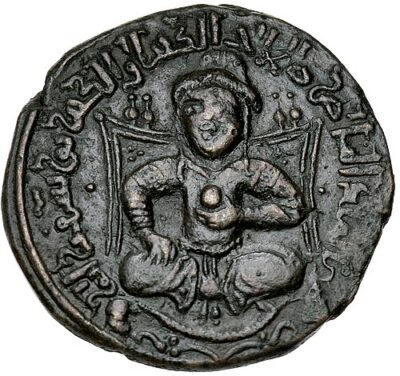 SaladinSultan of Egypt and founder of the Ayyubid dynasty (1137–1193)
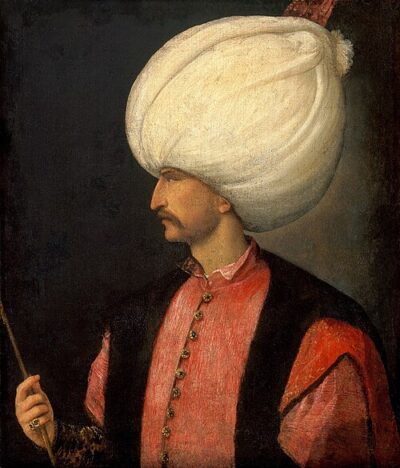 Suleiman the Magnificentthe tenth and greatest Sultan of Ottoman Empire (1520–1566)
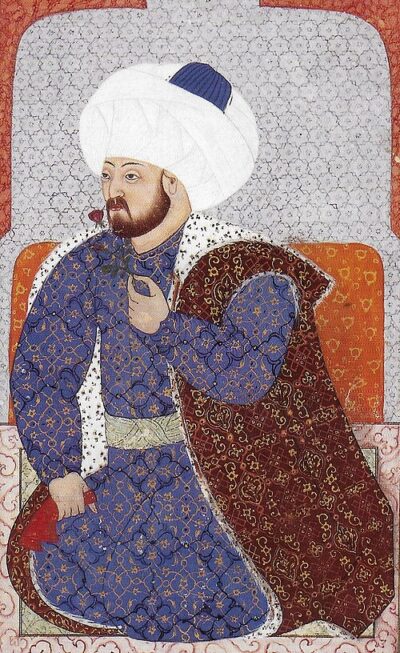 Mehmed IIseventh Sultan of the Ottoman Empire (1444–1446, 1451–1481)
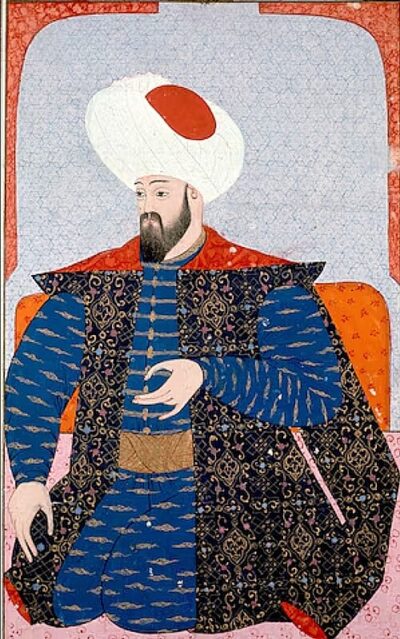 Osman Ifounder of the Ottoman Empire (died 1323/4)
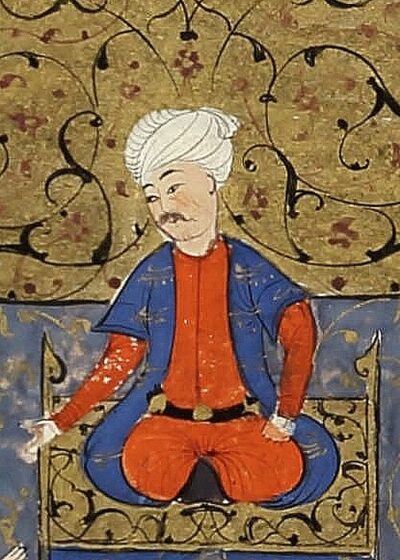 Selim I9th Sultan of the Ottoman Empire from 1512 to 1520
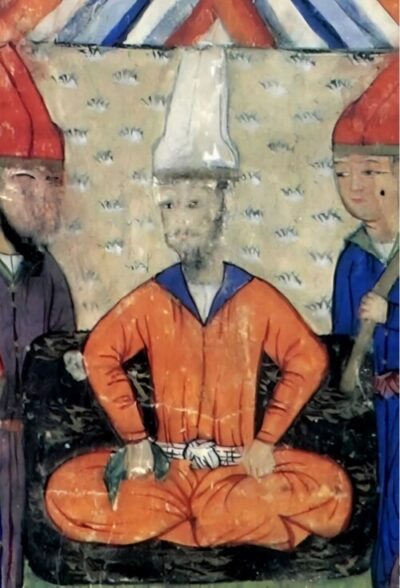 Orhansecond Ottoman Sultan (r. ca. 1324–1362)
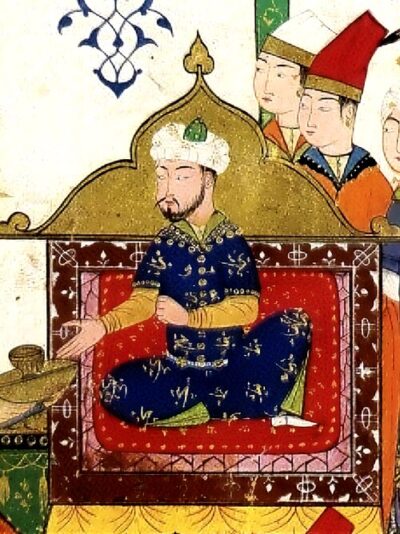 Bayezid Ifourth Sultan of the Ottoman Empire (1389–1402)
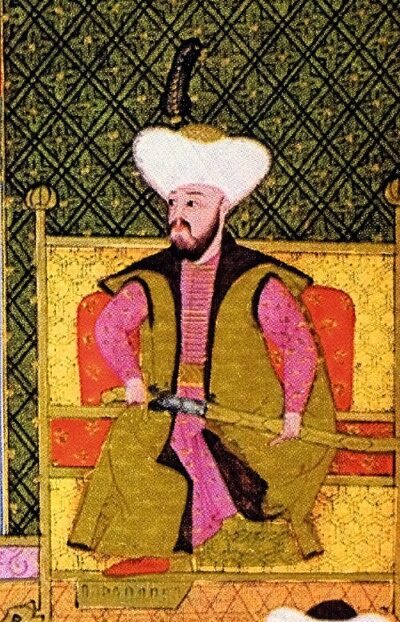 Murad IIsixth Sultan of the Ottoman Empire (1421–1444, 1446–1451)
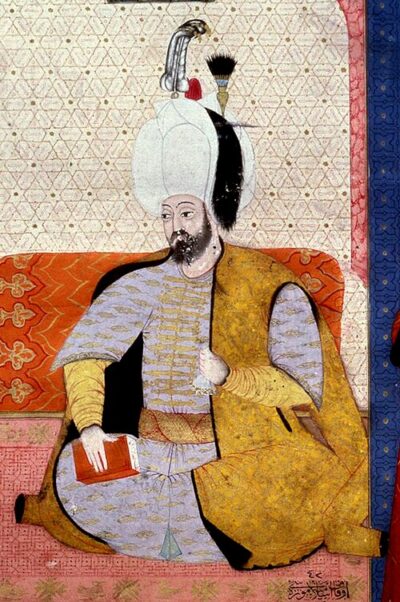 Murad III12th Sultan of the Ottoman Empire (1574–1595)
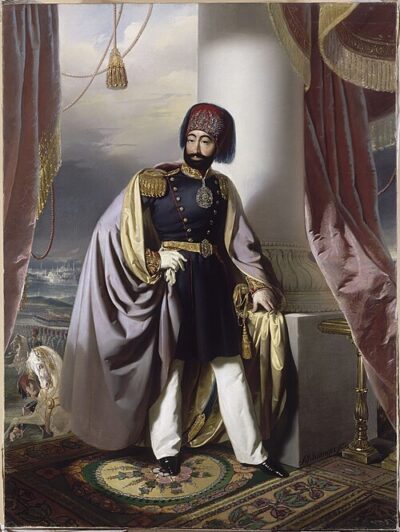 Mahmud II30th Sultan of the Ottoman Empire (1808–1839)
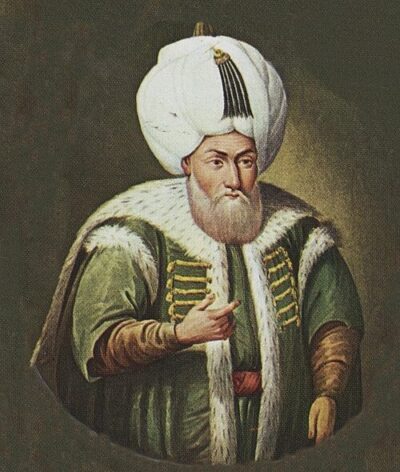 Bayezid IIthe eighth Sultan of the Ottoman Empire (1481–1512)
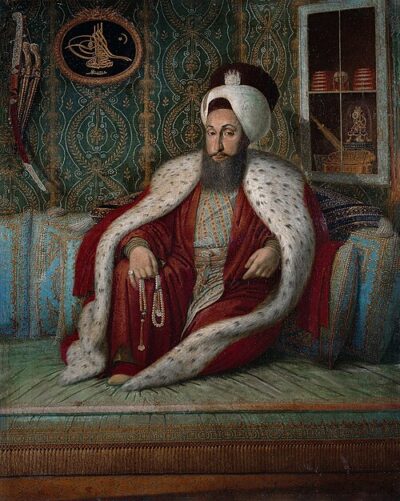 Selim III28th Sultan of the Ottoman Empire (1789–1807)
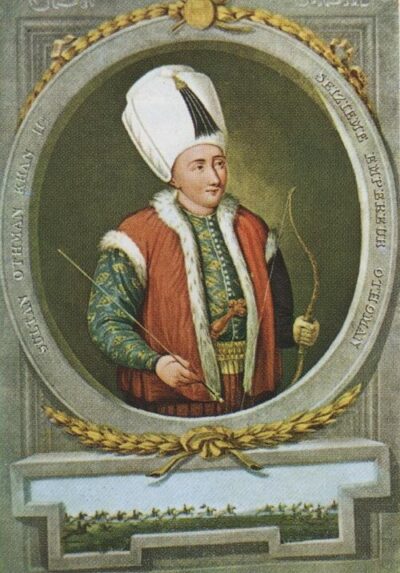 Osman II16th Sultan of the Ottoman Empire (1618–1622)
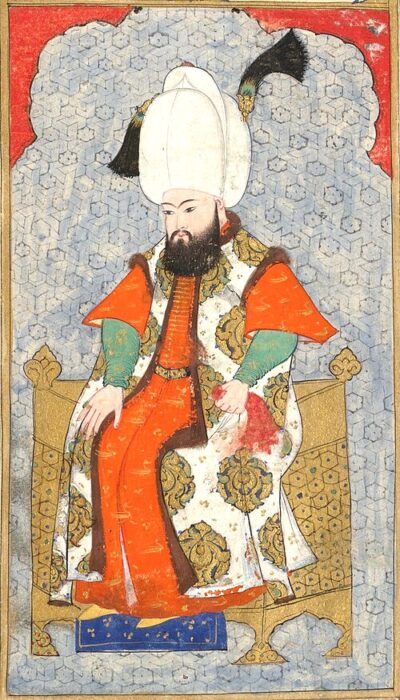 Mehmed III13th Sultan of the Ottoman Empire (1595–1603)
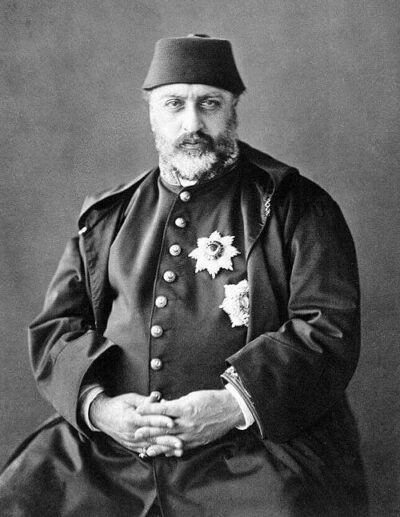 Abdülaziz32th Sultan of the Ottoman Empire (1861–1876)
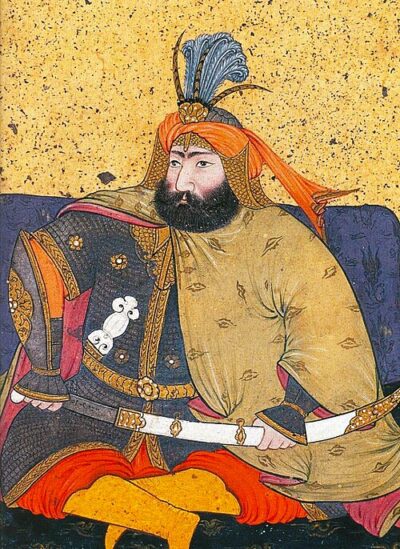 Murad IVthe 17th Sultan of the Ottoman Empire (1623–1640)
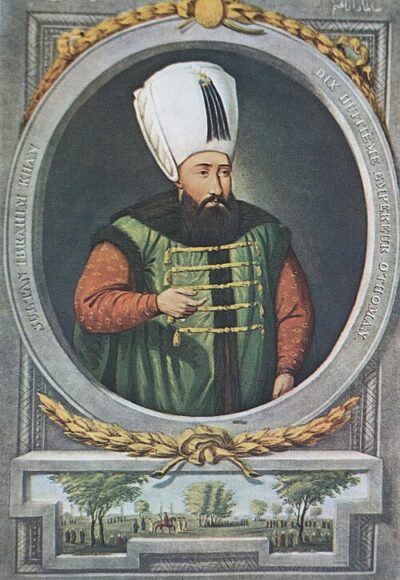 Ibrahim I18th Sultan of the Ottoman Empire (1640–1648)
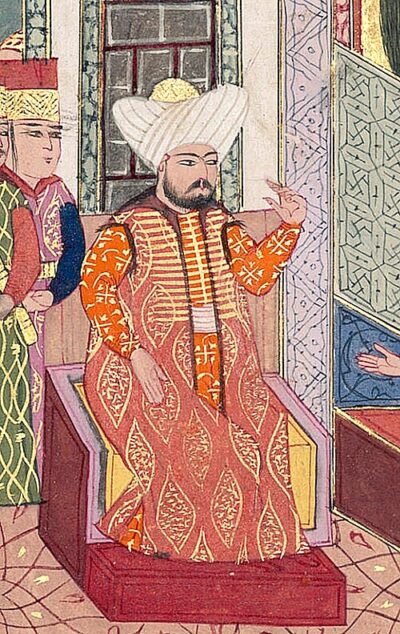 Mehmed Ififth Ottoman Sultan (1413–1421)
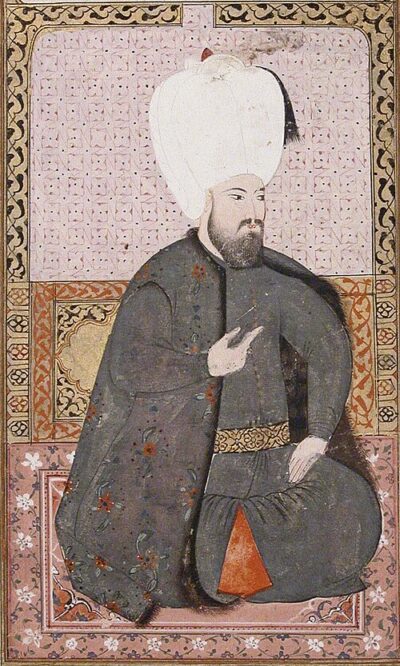 Ahmed I14th Sultan of the Ottoman Empire (1603–1617)
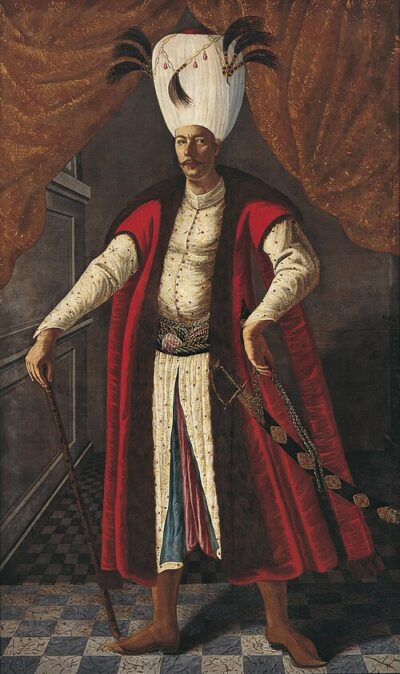 Mehmed IV19th Sultan of the Ottoman Empire (1648–1687)
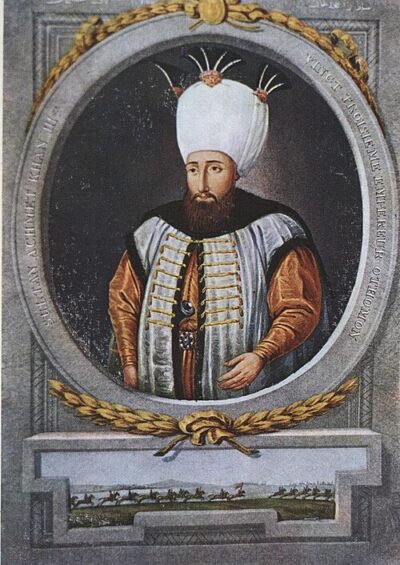 Ahmed III23th Sultan of Ottoman Empire (1703–1730)
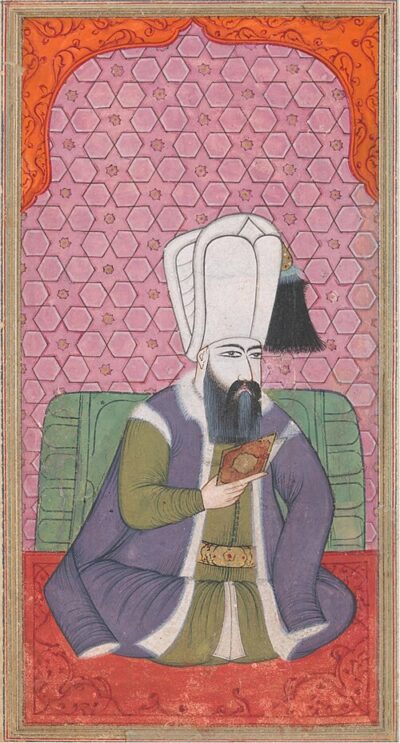 Mustafa I15th Sultan of the Ottoman Empire (1617–1618, 1622–1623)
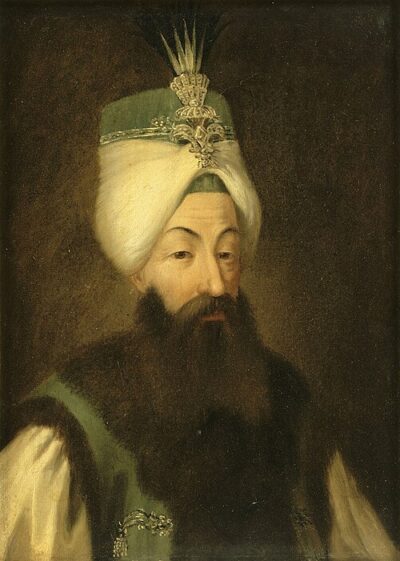 Abdul Hamid I27th Sultan of the Ottoman Empire (1774–1789)
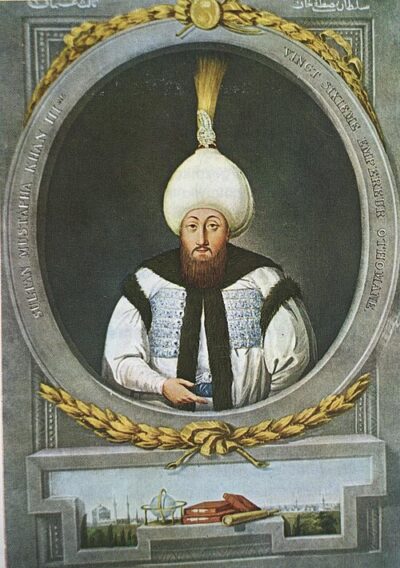 Mustafa III26th Sultan of the Ottoman Empire (1757–1774)
and 12 more
Held this office
 Khizr Khan (1414–1421)25th Sultan of the Delhi Sultanate and 1st from the Sayyid dynasty
 Firuz Shah Tughlaq (1351–1388)19th Sultan of the Delhi Sultanate and 3rd from the Tughlaq dynasty
 Muhammad ibn Tughluq (1325–1351)18th Sultan of the Delhi Sultanate and 2nd from the Tughluq dynasty
 Ghiyath al-Din Tughluq (1321–1325)17th Sultan of the Delhi Sultanate and 1st from the Tughluq dynasty
 Alauddin Khalji (1296–1316)13th Sultan of the Delhi Sultanate and 2nd from the Khalji dynasty (1266-1316)
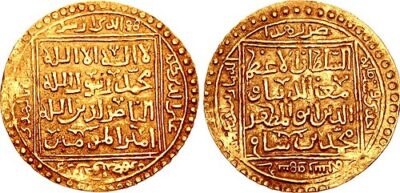 Muhammad of Ghor (1173–1206)ruler of Ghurid Sultanate from 1173 to 1206
