
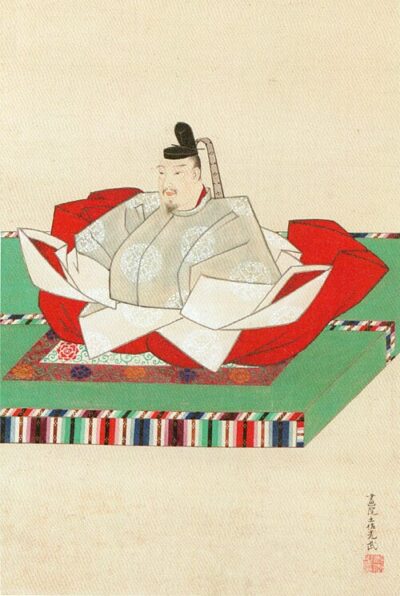
Go-Kashiwabara
Go-Kashiwabara was an emperor of Japan. Born November 19, 1464. Died May 18, 1526. Positions held include Emperor of Japan (1500–1526).
Facts
13 facts · 1 confirmed by two sources · 0 cited · 11 from one source · 1 where the sources disagree
What’s different
- Born: we show November 19, 1464 (Sources disagree). Wikipedia says November 19, 1462
Where this comes from
Papalocal keeps its own record. It started from these sources; what each one said is kept here as it was copied, so a change on their side never changes this page by itself. Tap one to read its version.
What Wikidata says · copied November 16, 2026 · revision 2553827780
- Described as
- emperor of Japan
- Other names
- Emperor Go-Kashiwabara
- Born
- November 19, 1464
- Died
- May 18, 1526
- Buried in
- Fukakusa no Kita no Misasagi
- Citizen of
- Ashikaga shogunate; Japan
- Occupation
- sovereign
- Positions held
- Emperor of Japan (1500–1526)
- Spouse
- Fujiwara Fujiko
- Children
- Go-Nara; Sonchin-hosshinnō; Gen'in-nyūdōshinnō
- Father
- Go-Tsuchimikado
- Mother
- Niwata Asako
- Wikipedias with a page
- 31
Wikidata item Q349452 (wikidata.org/wiki/Q349452), public domain (CC0). Copied November 16, 2026.
What Wikipedia says · copied November 16, 2026 · revision 1383862883
Emperor Go-Kashiwabara (後柏原天皇, Go-Kashiwabara-tennō; November 19, 1462 – May 18, 1526) was the 104th emperor of Japan, according to the traditional order of succession. He reigned from November 16, 1500, to his death on May 19, 1526. His personal name was Katsuhito (勝仁). His reign marked the nadir of Imperial authority during the Ashikaga shogunate.
- Born, in its opening lines
- November 19, 1462
- Died, in its opening lines
- May 18, 1526
From the Wikipedia article “Emperor Go-Kashiwabara” (en.wikipedia.org/wiki/Emperor_Go-Kashiwabara), by its contributors, under CC BY-SA 4.0 (creativecommons.org/licenses/by-sa/4.0/). Copied November 16, 2026; not changed.
Confirmed Two sources agree. Cited One source, and it names where it got it. One source One source, without a reference of its own. Sources disagree The sources disagree. We show the best-supported value and keep theirs below.
